



























































































































































































Introducing a new puppy to your current dog is often an exciting process, and many dogs will become fast friends and eas...
Read MoreAdopt Me

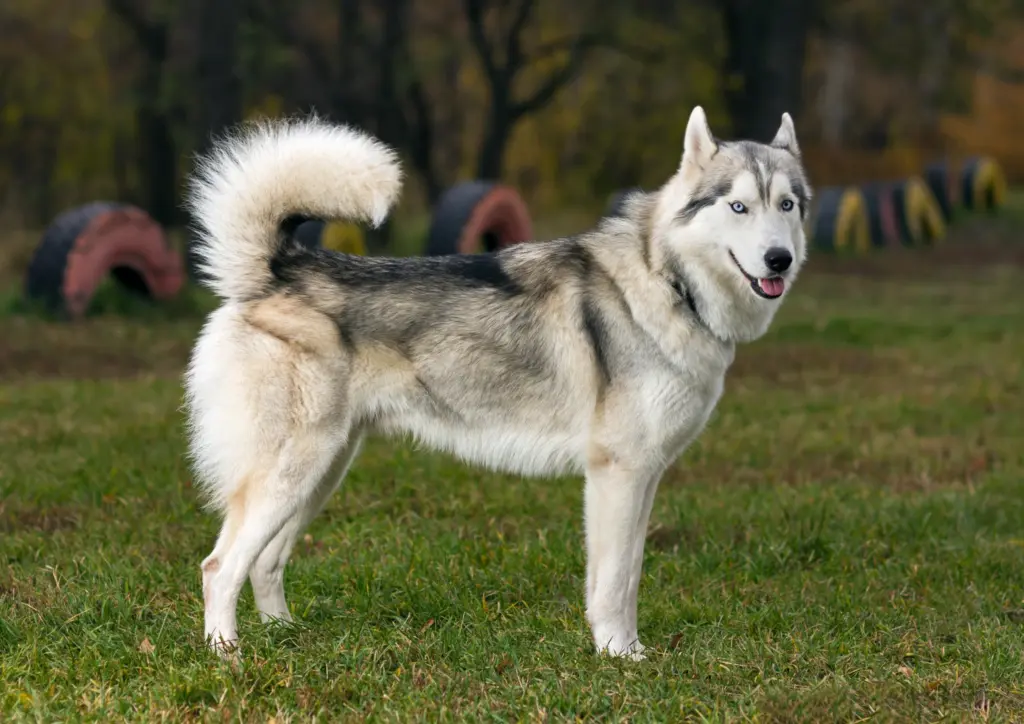
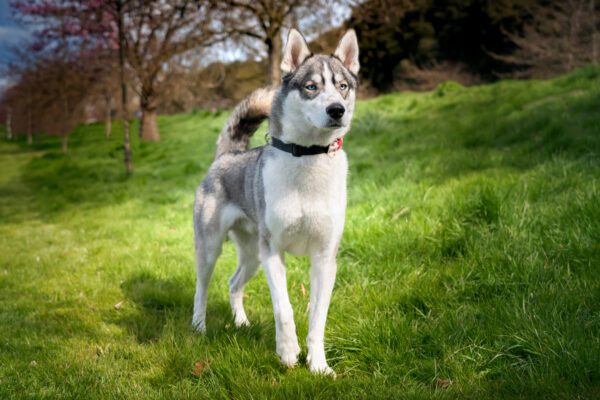
A Siberian Husky is athletic, social, and endlessly curious. This breed loves people, thrives on adventure, and bonds closely with an active family. A Husky brings energy, humor, and striking good looks, but the breed also demands time, structure, and secure management. Doing careful research before you adopt helps you set clear expectations and choose a dog that fits your lifestyle.
Adoption is a compassionate choice that gives a dog a second chance while also providing you with a companion whose temperament and needs are better understood. Many adoptable Huskies live in foster homes where volunteers evaluate energy level, manners, and preferences. That information helps you avoid surprises and match with a dog you can support long term.
Vermont’s climate suits a Husky’s thick double coat, especially during cold, snowy winters. The state’s mountains, forests, and quiet roads create excellent spaces for hiking, skijoring, and long runs. Summer can bring heat and humidity, so you must plan early-morning exercise, shade, and constant access to water. Secure fencing is essential because many Huskies love to roam and chase wildlife. With preparation and routine, a Husky can thrive in Vermont.
You can start your search with local animal shelters, regional rescues, and breed-specific rescue groups. You can avoid searching each source separately by browsing adoption listings on Dog Academy. The listings help you compare dogs across multiple organizations in one place. Dog Academy also offers educational guides and adoption checklists to help you prepare each step with confidence.
The process begins with browsing profiles and submitting an application for a dog that fits your household. Applications usually ask about housing, fencing, schedule, activity level, training experience, and current pets. If you rent, you are often asked to provide landlord approval. Many groups ask for a veterinary reference and personal references to confirm that you can meet a Husky’s exercise and care needs.
When your application moves forward, a coordinator sets up a meet and greet. Bring all household members and arrange a safe introduction with resident dogs. Use this time to assess energy level, handling tolerance, and compatibility with your routine. Ask about house training, crate skills, recall reliability, and how the dog behaves around cats and small animals, because Huskies often have a strong prey drive.
Home checks are common and help ensure safe containment. A volunteer may conduct a virtual walk-through or visit in person to confirm secure fencing, door and gate latches, and a plan to prevent escapes. Approval timelines vary by organization and scheduling, but in Vermont the process typically takes 1 to 3 weeks from application to adoption. Some groups offer a trial placement that allows you to confirm the match before finalizing the contract.
Transport is sometimes arranged by rescues to move dogs between locations. Coordinators may organize volunteer drivers or book professional transport to bring a Husky to Vermont from a partner shelter in another region. Dogs usually travel with required health certificates and are picked up at designated meeting points. Adopters are often responsible for a transport fee that covers fuel, supplies, and coordination.
|
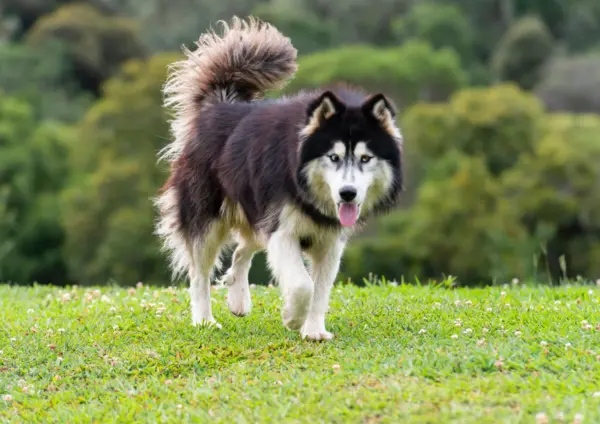
How Much Does It Cost to Adopt a Siberian Husky in Vermont?In Vermont, adoption fees for a Siberian Husky typically range from $300 to $550 for adults and from $400 to $700 for puppies. These fees reflect the breed’s popularity in the Northeast and the veterinary costs rescues incur before placement. Most fees include spaying or neutering, vaccinations, microchipping, and veterinary exams. Fees may be higher for puppies due to demand and recent care, and they may be lower for seniors or dogs with ongoing medical needs. Cost can also be influenced by training history, length of time in foster care, and any recent medical procedures. Budget for essentials after adoption, including a crate, a secure harness, an identification tag, high quality food, grooming tools for heavy shedding, and initial training support. |
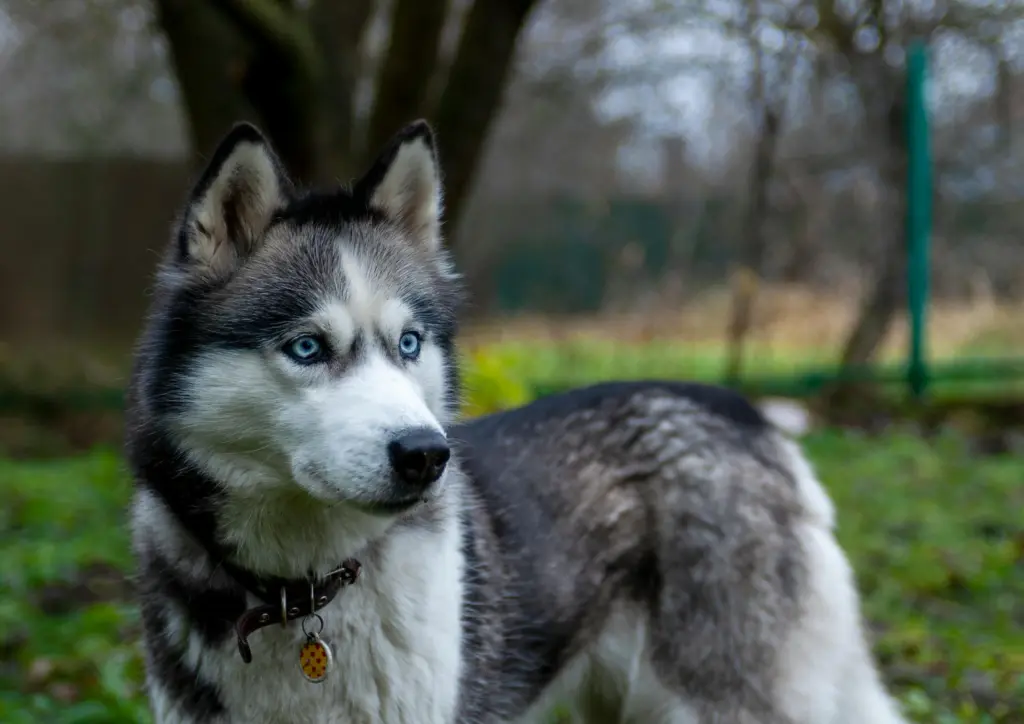
How Should I Train a Siberian Husky?A Siberian Husky is intelligent and sensitive, yet often independent. The breed learns quickly when training is clear, upbeat, and consistent. Positive reinforcement builds trust and improves focus, especially for recall, loose-leash walking, and calm behavior around distractions. Short sessions, frequent rewards, and daily mental enrichment keep a Husky engaged. Common challenges include pulling on leash, unreliable recall, vocalizing, and chasing wildlife. Address these with structured exercise, impulse-control games, and management tools like secure gates and long lines. Practice recall games in safe, enclosed areas and reward generously every time your dog returns. Pair physical activity with nose work, puzzle feeders, and obedience routines to prevent boredom. For step-by-step guidance that fits a busy schedule, explore Dog Academy’s online training courses. The courses teach foundation skills, leash manners, reliable recall, and crate comfort using humane methods that work well for independent breeds like the Husky. |
|
The ideal Vermont Husky adopter enjoys daily outdoor activity, maintains a secure yard or containment plan, and commits to consistent training and grooming. A Husky needs 60 to 90 minutes of exercise every day, regular brushing during heavy shedding, and clear rules that keep escape risks low.
Prepare your home, gather supplies, and learn about the breed before you apply. Take your time, ask detailed questions, and choose a dog whose needs match your routine. When you are ready to adopt a Siberian Husky in Vermont, browse listings and plan training early so you and your new companion can start strong and stay together for life.

Introducing a new puppy to your current dog is often an exciting process, and many dogs will become fast friends and eas...
Read More
Rescue dogs can make great companions and can transform your home into something better. These dogs make great pets and ...
Read More
You should never rush to pet a dog. Even dog owners make the mistake of approaching unfamiliar dogs and petting them rig...
Read More
Puppy mill dogs are survivors who have endured extreme hardships in their lives. They have grown up in horrendous, unsan...
Read More
With their wagging tails and comforting presence, adopting a dog can add a unique touch to your life. It’s a heart...
Read More
Older dogs may have a few gray hairs around the edges, but that doesn’t mean they can’t make wonderful companions! T...
Read More