



















































































































































































Introducing a new puppy to your current dog is often an exciting process, and many dogs will become fast friends and eas...
Read MoreAdopt Me
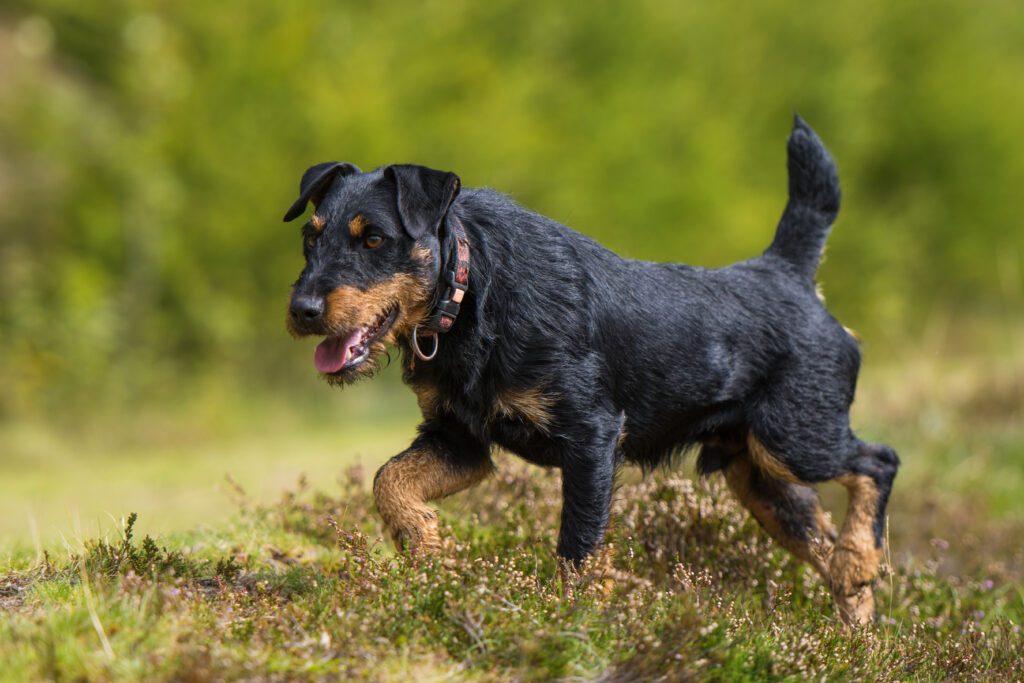
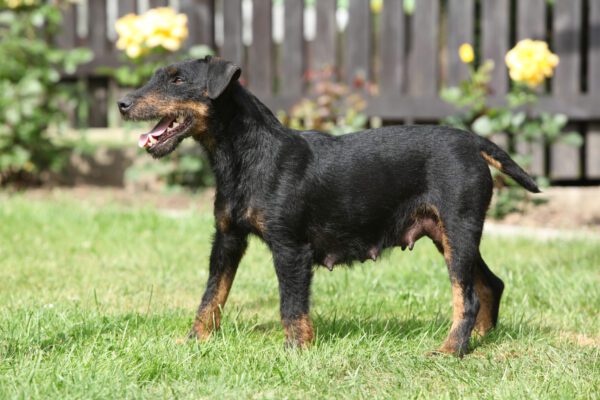
The Jagdterrier is a compact working terrier known for grit, intelligence, and unwavering loyalty. This breed loves having a job, thrives on daily challenges, and bonds closely with an involved owner. Careful research matters because strong prey drive, intense energy, and bold confidence can overwhelm first-time adopters. Adoption often gives a dog a second chance, helps Vermont shelters and rescues free space for other animals, and brings you a companion that has received basic veterinary care and behavioral evaluation.
Vermont offers forests, fields, and trails that suit an active Jagdterrier. Cold winters, ice, and long mud seasons create challenges that you should plan around. A Jagdterrier has a short coat that sheds moderately and benefits from a winter jacket during subfreezing hikes. Rural wildlife and heavy snow make reliable recall, leash use, and secure fencing essential. With structure and smart preparation, the Vermont lifestyle can be an excellent match for this hardy, energetic dog.
You can avoid searching rescues and shelters separately by using Dog Academy to browse current adoption listings in one place. You can filter by breed, age, and location, then follow the instructions provided for each dog. You can also read helpful guides and checklists on the same site so you understand every step before you apply.
Adoptable Jagdterriers may appear at local animal shelters, regional rescues, or breed-specific rescue groups that serve New England. Start by browsing listings, then submit an application that includes personal information, references, housing details, and a plan for exercise and training. Many groups request landlord approval for renters and a veterinary reference for current or past pets. Clear, thorough answers help reviewers match you with the right dog.
After an application review, coordinators often schedule a phone call to discuss your lifestyle, daily schedule, and experience with working breeds. If the match looks promising, you can attend a meet-and-greet at a shelter or in a foster home. Some groups complete a home check that verifies safe fencing, secure doors, and an area for rest and feeding. Home checks can be in person or virtual, and they focus on safety and readiness rather than decor.
Approval timelines vary by organization and by the number of applicants for each dog. Straightforward Vermont adoptions often finalize within 3 to 14 days after a meet-and-greet and home check. If the dog is located out of state, rescues sometimes arrange transport to move dogs between locations once an adoption is approved. Transport is often organized by volunteers or professional carriers, includes a set schedule, and uses health certificates to keep travel safe and compliant. Final steps usually include signing an adoption contract, paying the adoption fee, and receiving records that summarize medical care and microchip details.
|
How Much Does It Cost to Adopt a Jagdterrier in Vermont?Most adopters in Vermont can expect to pay $200 to $500 for an adult Jagdterrier and $300 to $600 for a puppy. Fees reflect what the group invested in the dog and how much demand exists for the breed. Older dogs and dogs with established manners may cost slightly less than puppies, while dogs that received extensive medical care may cost more. Adoption fees commonly include spaying or neutering, vaccinations, microchipping, and veterinary exams. Costs can also be influenced by training history, specialized behavioral support, travel or transport expenses, and the length of time a dog has been in foster care. When you compare listings, read what each fee covers so you can plan for supplies and follow-up care without surprises. |
How Should I Train a Jagdterrier?The Jagdterrier is quick to learn and eager to work, yet this breed can be intense and vocal when frustrated. Consistent structure, clear boundaries, and positive reinforcement help channel drive into good habits. Keep sessions short and frequent, reward focus and calm behavior, and use a marker word to make timing clear. Avoid harsh corrections because they can create conflict and worsen reactivity. Prioritize skills that manage impulse and prey drive. Teach a reliable recall with a long line, proof a strong leave-it, and practice settle on a mat for quiet downtime. Provide daily outlets that suit a hunting terrier, including tracking games, nose work, hide-and-seek with food, and puzzle feeders. A Jagdterrier generally needs 60 to 90 minutes of physical exercise plus mental work every day. Early socialization with stable dogs and people builds confidence and reduces overarousal in busy Vermont towns and on popular trailheads. If you want step-by-step guidance, explore Dog Academy’s online training courses for recall, leash skills, impulse control, and enrichment plans designed for high-drive dogs. Structured lessons help you prevent problem behaviors and keep training consistent across family members. |
|
The ideal Jagdterrier adopter is active, patient, and excited to train every day. A home that offers secure fencing, clear routines, and time for outdoor adventures will set this breed up for success. Families with small pets should plan strict management because a strong prey drive can make coexistence difficult.
Take your time, ask detailed questions, and meet more than one dog if needed. Prepare your home with crates, gates, chew-safe toys, and a plan for the first week of decompression. When you feel ready, use Dog Academy to browse listings, compare costs, and follow checklists. Careful preparation and thoughtful matching will help you adopt a Jagdterrier in Vermont with confidence and bring home a partner for years of adventure.

Introducing a new puppy to your current dog is often an exciting process, and many dogs will become fast friends and eas...
Read More
Rescue dogs can make great companions and can transform your home into something better. These dogs make great pets and ...
Read More
You should never rush to pet a dog. Even dog owners make the mistake of approaching unfamiliar dogs and petting them rig...
Read More
Puppy mill dogs are survivors who have endured extreme hardships in their lives. They have grown up in horrendous, unsan...
Read More
With their wagging tails and comforting presence, adopting a dog can add a unique touch to your life. It’s a heart...
Read More
Older dogs may have a few gray hairs around the edges, but that doesn’t mean they can’t make wonderful companions! T...
Read More