


















































































































































Introducing a new puppy to your current dog is often an exciting process, and many dogs will become fast friends and eas...
Read MoreAdopt Me


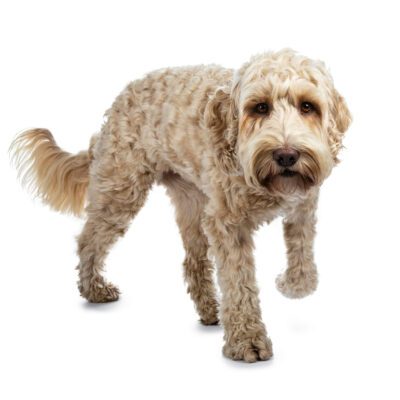
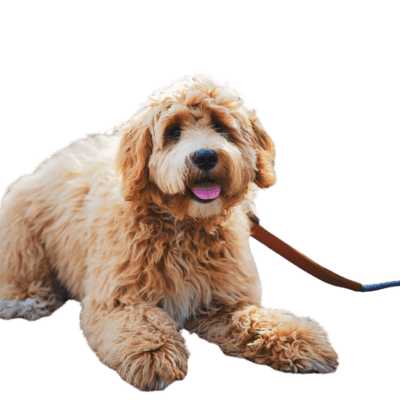
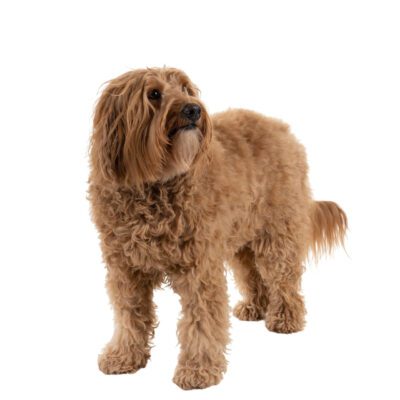
Goldendoodles are friendly, people-focused, and eager to please. Most love outdoor adventures and family time, and they often suit first-time adopters who commit to training. Many Goldendoodles shed less than some breeds, yet coat type varies, which means grooming remains important. Careful research helps you match energy level, coat care needs, and temperament with your lifestyle.
Adoption gives a dog a second chance and supports responsible animal welfare. It often includes important veterinary care at a lower total cost than buying. Vermont can be a great fit for this breed. The state offers forests, fields, and quiet neighborhoods that invite daily walks and training. Winter brings deep snow and freezing temperatures, so you must plan paw care, short coat trims that resist matting, and safe indoor exercise. Spring mud and summer humidity can challenge a long, curly coat, which means consistent brushing and drying after hikes.
Vermont life rewards active owners who enjoy trails and small-town living. Apartments and rural homes can both work when daily exercise and mental enrichment stay consistent. Ticks are common in wooded areas, so you must use prevention as advised by your veterinarian. With the right preparation, a Goldendoodle thrives in Vermont through every season.
You can skip searching shelters and rescues one by one by browsing adoptable dogs on Dog Academy. You can filter for breed, age, size, and location across Vermont and nearby states. You can also use Dog Academy to access educational guides and an adoption checklist that helps you prepare supplies, plan a routine, and ask the right questions at each step.
Adoptable Goldendoodles appear through local animal shelters, regional rescues, and breed-specific rescue groups. Some dogs live in foster homes where you can learn about house manners and social skills. Start by reviewing listings, reading full bios, and noting each dog’s energy level, coat type, and medical history. Make sure the dog’s needs match your schedule, activity level, and grooming plan.
Most organizations ask for an application, references, and landlord approval when you rent. Applications often include questions about work hours, fencing, children, and other pets. After review, coordinators schedule a phone interview to discuss fit. Many require a meet-and-greet with all household members and any resident dogs to check compatibility. Some groups complete a virtual or in-person home check to confirm safe containment, sleeping areas, and a plan for exercise and training.
Approval timelines vary. A straightforward application can move in 1 to 3 weeks. Popular dogs or litters can take longer because of high interest. If a dog is located outside your area, rescues sometimes arrange transport between locations using volunteers or professional services that move dogs safely in scheduled legs. Coordinators explain pickup logistics, health certificates, and arrival times so the transition stays smooth.
|
How Much Does It Cost to Adopt a Goldendoodle in Vermont?In Vermont, expect most Goldendoodle adoption fees to fall between $350 and $650. Puppies and young adolescents often land at the higher end because of demand and recent veterinary care. Well-trained adults with strong house manners can also be priced higher, while seniors or dogs with ongoing medical needs may be lower. Fees often reflect spaying or neutering, vaccinations, microchipping, and veterinary exams completed before placement. Costs vary with age, training, medical care, and regional demand. A dog that has completed basic training and preventive care usually costs more than an untrained intake. Fees also respond to seasonal demand and grooming needs, since many adopters in Vermont value low-shedding coats. Even with these factors, adoption typically remains far more affordable than purchasing from a breeder when you account for included veterinary services. |
How Should I Train a Goldendoodle?Goldendoodles tend to be intelligent and highly trainable. Most respond quickly to clear structure and positive reinforcement that uses rewards like treats, toys, and praise. Early foundation work builds skills that last. Focus on name recognition, recall, loose-leash walking, sit, down, stay, and settling on a mat. Short, frequent sessions keep learning upbeat and help your dog succeed. Common challenges include jumping on guests, mouthy play, pulling on leash, and restlessness from lack of mental exercise. You can prevent these issues with impulse control games, calm greetings, and daily enrichment that includes sniff walks and puzzle feeders. Teach comfortable handling for brushing and drying, since regular coat care prevents mats and hot spots. Socialize thoughtfully by introducing new people, friendly dogs, and Vermont surfaces like snow, ice, and mud in a positive, controlled way. For expert guidance you can start today, explore Dog Academy’s online training courses. Step-by-step lessons cover puppy skills, manners for adult dogs, leash walking, recall, crate training, and relaxation routines. Lessons are designed to be clear, positive, and practical for busy families. |
|
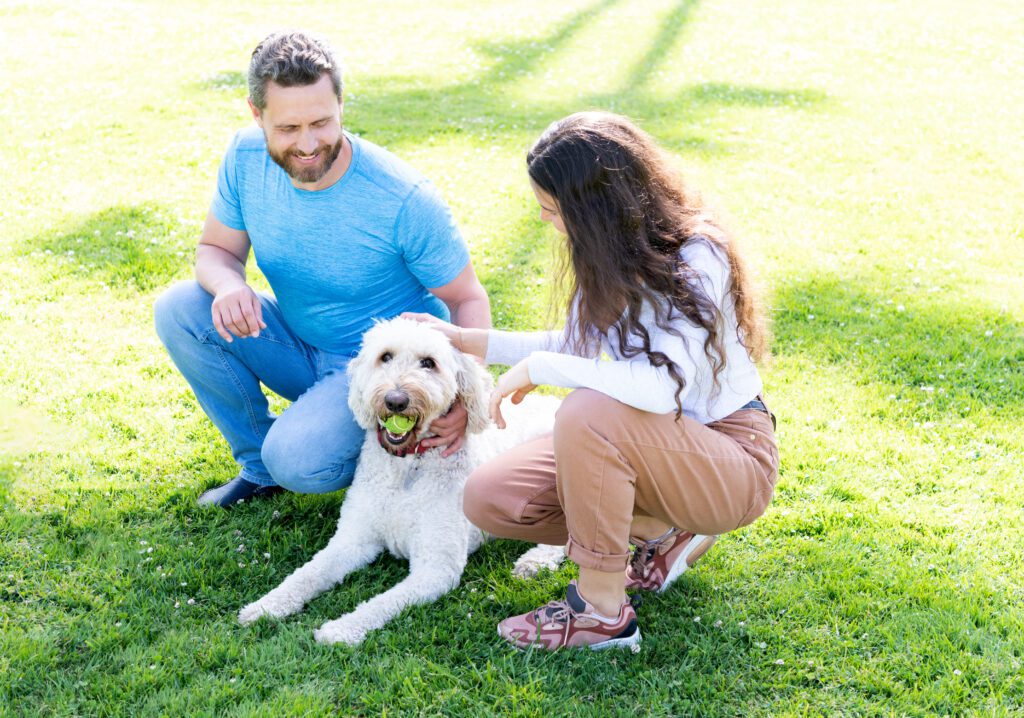
The ideal adopter enjoys daily activity, consistent routines, and regular grooming. A fenced yard helps with play, yet committed walkers in apartments also succeed when they schedule exercise and training every day. Plan a budget for grooming tools and professional grooming to keep the coat healthy.
Take your time to research, meet candidates, and ask detailed questions about behavior and medical history. Prepare your home with safe confinement, chew toys, and a training plan so day one starts smoothly. With thoughtful preparation and steady training, you can adopt a Goldendoodle in Vermont and build a happy partnership that fits your life in every season.

Introducing a new puppy to your current dog is often an exciting process, and many dogs will become fast friends and eas...
Read More
Rescue dogs can make great companions and can transform your home into something better. These dogs make great pets and ...
Read More
You should never rush to pet a dog. Even dog owners make the mistake of approaching unfamiliar dogs and petting them rig...
Read More
Puppy mill dogs are survivors who have endured extreme hardships in their lives. They have grown up in horrendous, unsan...
Read More
With their wagging tails and comforting presence, adopting a dog can add a unique touch to your life. It’s a heart...
Read More
Older dogs may have a few gray hairs around the edges, but that doesn’t mean they can’t make wonderful companions! T...
Read More