






























































































































































Introducing a new puppy to your current dog is often an exciting process, and many dogs will become fast friends and eas...
Read MoreAdopt Me

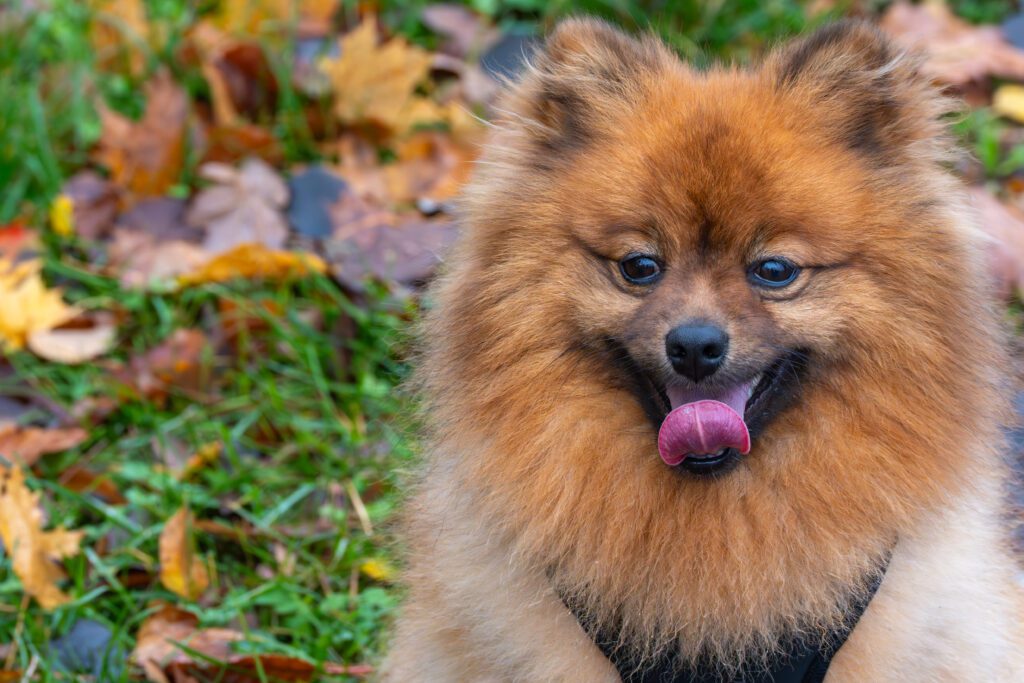
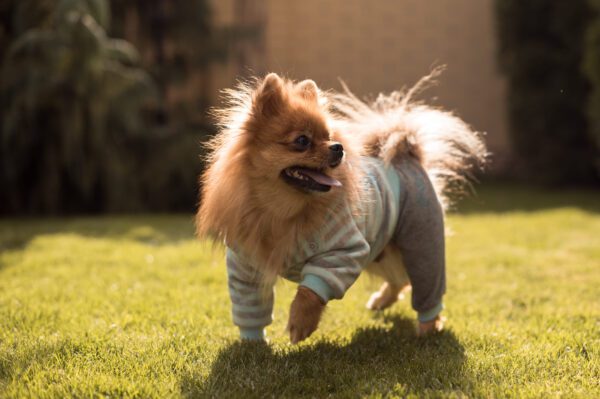
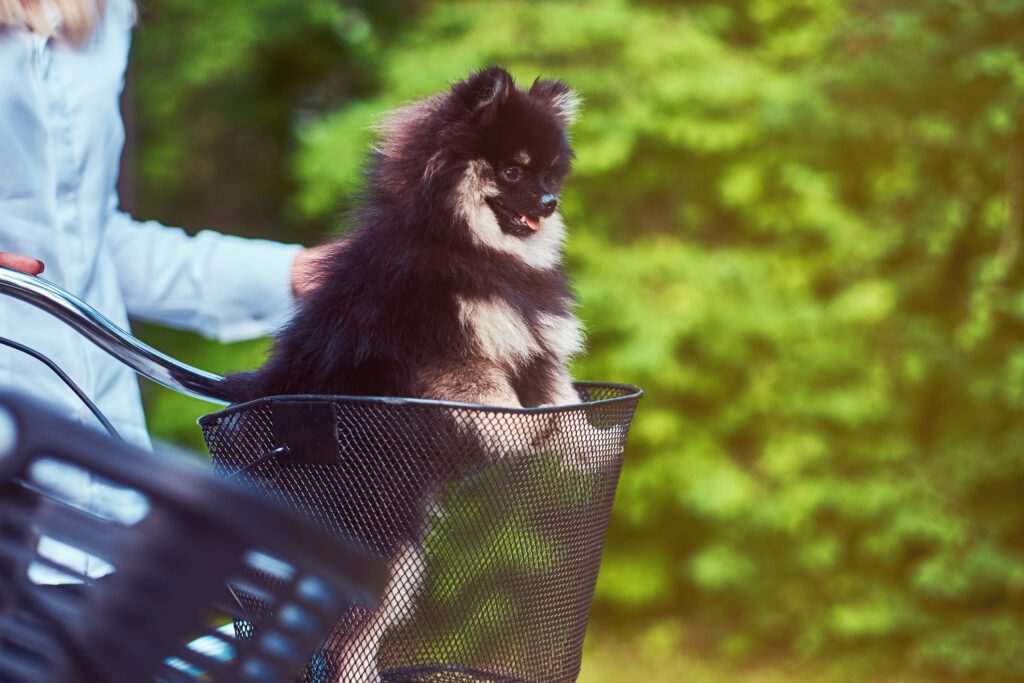
The German Spitz is bright, loyal, and full of personality. This small, fox-like companion thrives on attention, learns quickly, and bonds closely with family. The plush double coat and alert nature make the breed eye-catching and spirited, yet also sensitive and people oriented. Thoughtful research before adoption helps you match this energetic, vocal breed to your home and routine.
Adoption offers a humane, cost-effective path to bringing home a German Spitz. Rescues and shelters share behavior notes and medical history, which helps you choose a dog that suits your lifestyle. Vermont can be a great fit for this breed. The double coat insulates well in cold weather, which supports winter walks. Snow and ice call for paw care and limited exposure in extreme wind or low temperatures. Summers in Vermont can be warm and humid, so shade, water, and regular coat maintenance help keep the dog comfortable.
Vermont’s mix of quiet towns, rural roads, and scenic trails encourages daily activity. The German Spitz enjoys brisk walks, short hikes, and structured play, which fit well with an active local lifestyle. Apartment living is possible with consistent training and mindful bark management. A fenced yard or reliable leash skills are important because the breed is alert and may chase wildlife in wooded areas.
You can avoid searching for rescues and shelters separately by starting with Dog Academy. The adoption listings gather available dogs from local animal shelters, regional rescues, and breed-specific rescue groups in one place. Dog Academy also provides educational guides and step-by-step adoption checklists that help you evaluate fit, prepare questions, and understand requirements before you apply.
Begin by browsing listings and reading each biography carefully. Filter by location, age, size, and temperament notes when filters are available. Look for details on energy level, comfort with children, and comfort with other pets. Contact the organization through the listing to confirm availability and to ask about behavior observations, medical records, and the dog’s daily routine.
Most organizations ask you to submit an application that covers your household, schedule, and experience with dogs. You may be asked for personal references, landlord approval for renters, and proof of veterinary care for current pets. Approval timelines in Vermont often range from 3 to 14 days. The timeline can vary based on volunteer capacity, how quickly references respond, and how soon a meet-and-greet can be scheduled.
Next steps often include a meet-and-greet and a home check. A meet-and-greet allows you to assess compatibility and practice handling, while a home check confirms safety, secure fencing, and a plan for exercise. Some groups offer a trial period to ensure a good match. If the right dog is outside Vermont, rescues sometimes arrange transport to move dogs between states. Transport is coordinated by the rescue and may use volunteer drivers or licensed carriers, with scheduled pickup points and required health certificates. Clear communication about dates, fees, and handoff locations helps the process go smoothly.

|
How Much Does It Cost to Adopt a German Spitz in Vermont?In Vermont, a realistic adoption fee for a German Spitz typically ranges from $350 to $550 for adults. Puppies often range from $450 to $650, while seniors may range from $200 to $350. Fees vary with age, demand for small companion breeds, prior training, and medical care completed before adoption. Costs may be higher if the dog receives extensive veterinary work or if transport to Vermont is included. Most fees help cover spaying or neutering, vaccinations, microchipping, and veterinary exams. Additional cost factors can include dental cleanings, specialized diagnostics, behavior assessments, and post-arrival support. Asking for an itemized breakdown helps you understand what the fee includes and how the organization supports the dog’s transition into your home. |
How Should I Train a German Spitz?The German Spitz is intelligent, observant, and eager to engage with people, which makes training rewarding when you use positive reinforcement. Short, upbeat sessions with food rewards and play keep focus high. Early socialization builds confidence around visitors, children, and other dogs. Introduce new environments gradually and reward calm behavior so the dog learns to settle. Common challenges include alert barking, busy energy, and independence. Teach a reliable sit, down, stay, and recall using consistent cues and frequent reinforcement. Practice loose-leash walking to channel energy into structured outings. For barking, teach a quiet cue, meet daily exercise needs, and provide enrichment like food puzzles. Handle grooming from day one by pairing brushing and nail trims with treats, which keeps sessions low stress. For step-by-step guidance, explore Dog Academy’s online training courses that cover obedience, manners, and enrichment tailored to active companion breeds. |
|
The ideal adopter enjoys daily walks, structured play, and regular training. A German Spitz thrives with people who value routine, mental stimulation, and gentle guidance. Families with respectful children and adopters in apartments or single-family homes can succeed when they manage barking, provide enrichment, and keep up with coat care.
Prepare by learning the breed’s needs, gathering supplies, and planning for training and veterinary care. Take your time, ask thoughtful questions, and choose a dog that fits your schedule and energy level. With patience and preparation, you can adopt a German Spitz in Vermont and welcome a lively, affectionate companion into your life.

Introducing a new puppy to your current dog is often an exciting process, and many dogs will become fast friends and eas...
Read More
Rescue dogs can make great companions and can transform your home into something better. These dogs make great pets and ...
Read More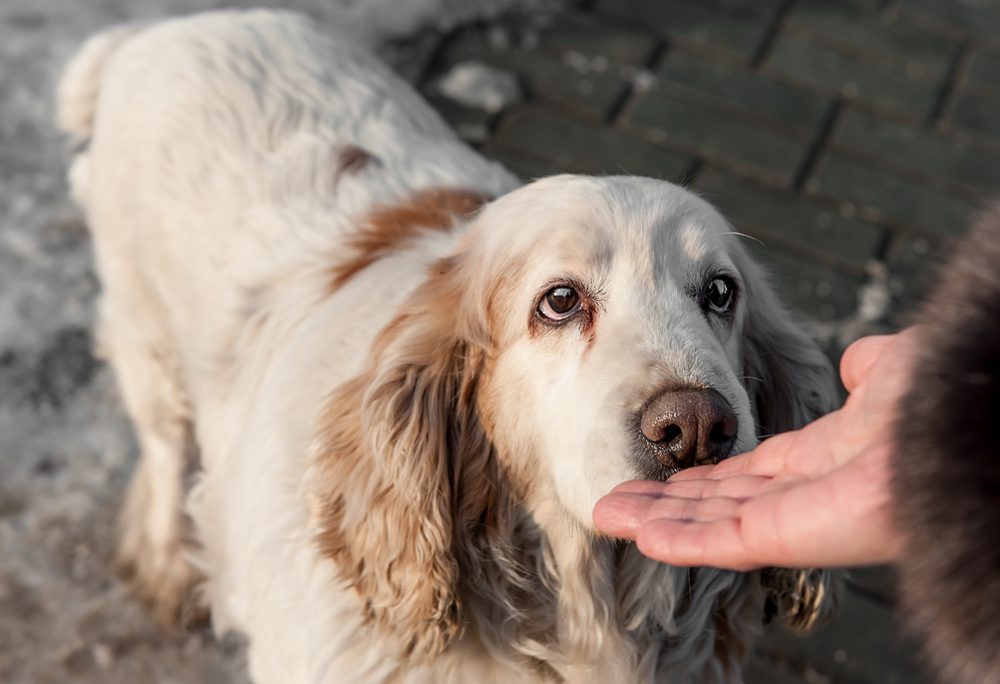
You should never rush to pet a dog. Even dog owners make the mistake of approaching unfamiliar dogs and petting them rig...
Read More
Puppy mill dogs are survivors who have endured extreme hardships in their lives. They have grown up in horrendous, unsan...
Read More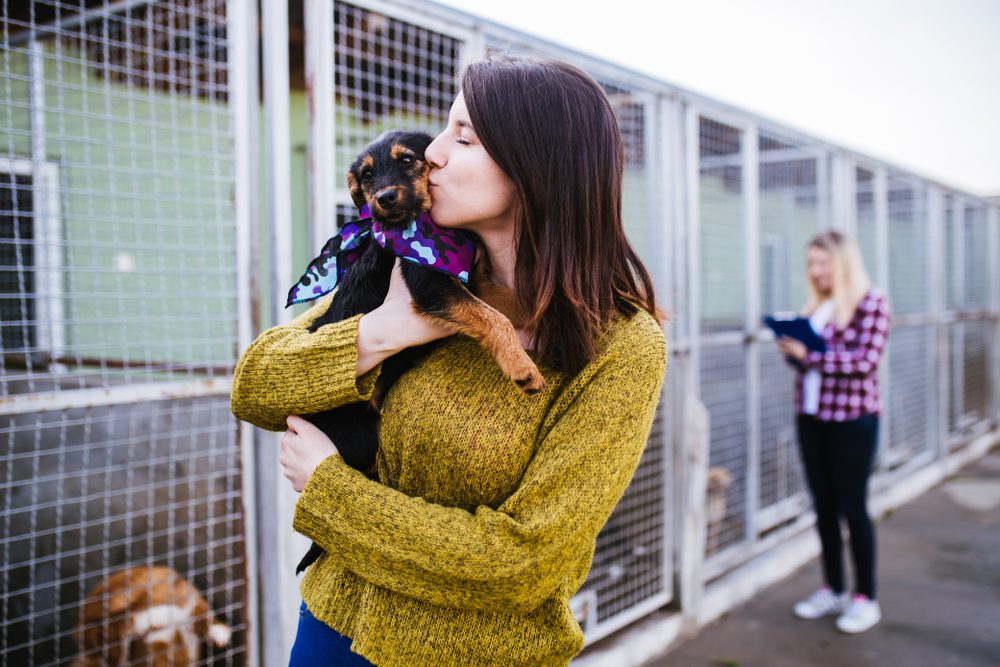
With their wagging tails and comforting presence, adopting a dog can add a unique touch to your life. It’s a heart...
Read More
Older dogs may have a few gray hairs around the edges, but that doesn’t mean they can’t make wonderful companions! T...
Read More