


























































































































































































Introducing a new puppy to your current dog is often an exciting process, and many dogs will become fast friends and eas...
Read MoreAdopt Me

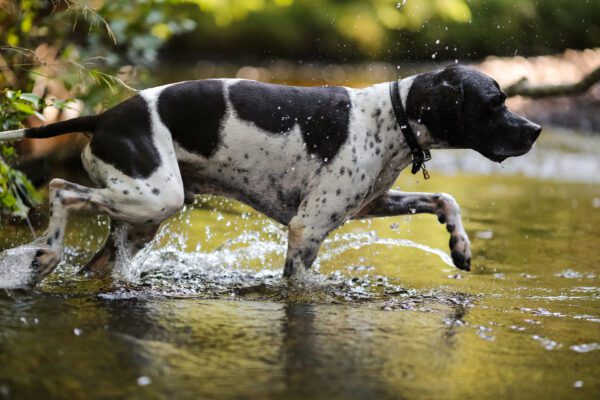
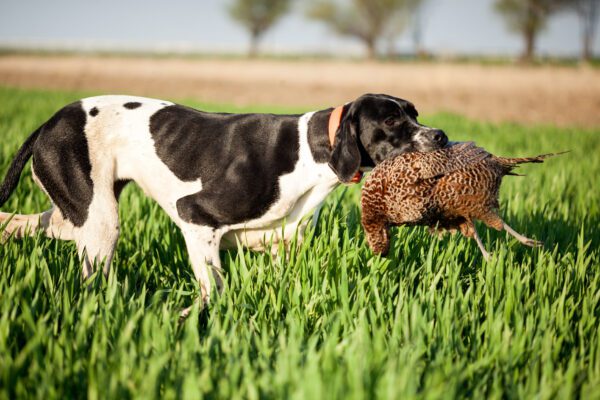
The English Pointer is an athletic, people-focused sporting dog with a remarkable nose and a polished, gentle nature. This breed loves to run, thrives on structure, and bonds closely with an active family. An English Pointer typically shows a calm demeanor indoors after a good workout outdoors, which makes the breed a rewarding companion for a household that enjoys daily activity.
Successful adoption starts with careful research. Understanding exercise needs, grooming requirements, health considerations, and temperament helps you choose a dog that truly fits your life. Adoption is preferable to buying because it gives a dog a second chance, supports ethical rehoming, and often provides transparent medical and behavior histories through shelters or rescues.
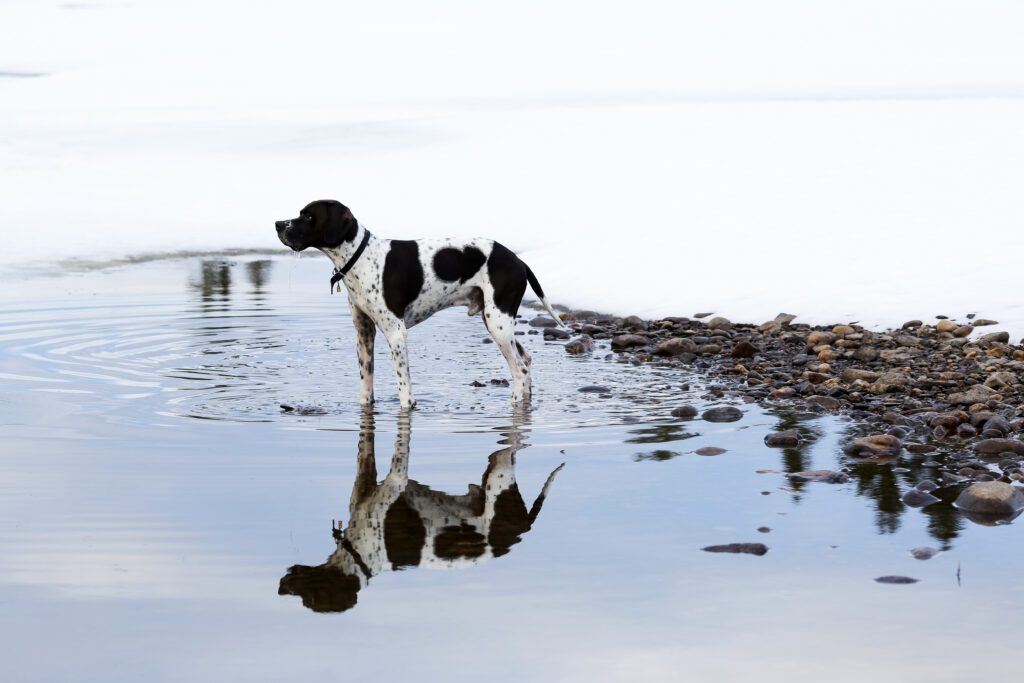
Vermont offers beautiful trails, wide fields, and rolling hills that suit a Pointer’s love of movement. The state’s cold winters require thoughtful planning, which includes warm gear, paw protection, and indoor enrichment on icy days. Summers bring humidity and ticks, so consistent parasite prevention and shaded rest breaks are important. City apartments can work if you commit to robust exercise, while rural homes with secure fencing can offer more room to stretch out. With smart planning, Vermont can be an excellent home for an English Pointer.
You can avoid searching for rescues and shelters separately by using Dog Academy, which aggregates adoptable dogs from local animal shelters, regional rescues, breed-specific rescue groups, and foster networks. You can browse listings, filter by distance and age, and read detailed profiles without jumping between multiple sites. Dog Academy also offers educational guides and adoption checklists that help you prepare for each step before you adopt a English Pointer in Vermont.
Start by reviewing listings closely. Read about energy level, social preferences, medical notes, and training history. When you find a potential match, submit an application that typically asks for identification, veterinary references, landlord approval when applicable, and details about your routine. Clear, thorough answers help volunteers and staff understand how the dog will live day to day.
Most organizations schedule a meet-and-greet after the application review. You may meet at a shelter, a foster home, or a neutral public space. Bring all residents of your household so the dog can meet adults, children, and any current pets. Many groups complete a home check, which can be virtual or in person, to confirm safe containment, appropriate space, and a plan for exercise and rest. Approval timelines vary by organization volume and your responsiveness, and many adoptions move from application to approval within 3 to 14 days.
If your match is outside your immediate area, rescues may arrange transport between locations to place the dog in the right home. Transport is often coordinated by staff or volunteers who schedule vetted drivers and organize health certificates so the dog travels safely. Weather and road conditions in Vermont can affect timing, so build in flexibility when planning pickup.
|
How Much Does It Cost to Adopt a English Pointer in Vermont?In Vermont, adoption fees for an English Pointer typically range from $275 to $550 for adults and $350 to $650 for puppies. These fees usually cover spaying or neutering, vaccinations, microchipping, and veterinary exams, and they often include deworming and a heartworm test. Fees can be higher for puppies due to demand and early medical care, and they can be lower for seniors to encourage placement. Costs vary with age, training investment, medical care, and regional demand. Dogs that receive advanced veterinary treatment or professional training support may carry higher fees that reflect those expenses. Transport arranged to move dogs between states can also be included in the fee because coordination, fuel, and health documentation add real costs. When you view a listing, review what the fee includes so you can budget accurately. |
How Should I Train a English Pointer?The English Pointer is intelligent, sensitive, and highly motivated by scent and movement. Positive reinforcement training works best because this breed responds to clear markers, timely rewards, and calm guidance. Focus on foundation skills first, which include name recognition, recall, loose-leash walking, stay, place, and crate training. Short, upbeat sessions keep the dog engaged and prevent frustration. Common challenges include high arousal around wildlife, distraction outdoors, and occasional pulling on leash. You can manage these challenges by building reliable recall with a long line, reinforcing check-ins on walks, and practicing impulse control games that teach settle and wait. Mental enrichment is essential for this breed. Add scent work, field-style retrieving, structured fetch, and puzzle feeding to satisfy the Pointer’s brain and nose. For a step-by-step plan tailored to different skill levels, explore Dog Academy’s online training courses, which teach humane methods that improve focus and manners at home and on the trail. |
|
The ideal owner enjoys daily activity, values structure, and can provide year-round exercise despite Vermont’s changing seasons. A secure yard or reliable on-leash routine, consistent training time, and a plan for indoor enrichment on stormy days will help an English Pointer thrive.
Preparation leads to a great match. Set a budget, gather supplies in advance, and learn about the breed’s needs before you bring a dog home. Take your time, ask questions, and use trusted resources so you can welcome a healthy, happy companion when you are ready. With patience and planning, you will find the right English Pointer and enjoy many miles together across Vermont’s fields and forests.

Introducing a new puppy to your current dog is often an exciting process, and many dogs will become fast friends and eas...
Read More
Rescue dogs can make great companions and can transform your home into something better. These dogs make great pets and ...
Read More
You should never rush to pet a dog. Even dog owners make the mistake of approaching unfamiliar dogs and petting them rig...
Read More
Puppy mill dogs are survivors who have endured extreme hardships in their lives. They have grown up in horrendous, unsan...
Read More
With their wagging tails and comforting presence, adopting a dog can add a unique touch to your life. It’s a heart...
Read More
Older dogs may have a few gray hairs around the edges, but that doesn’t mean they can’t make wonderful companions! T...
Read More