



























































































































































































Introducing a new puppy to your current dog is often an exciting process, and many dogs will become fast friends and eas...
Read MoreAdopt Me
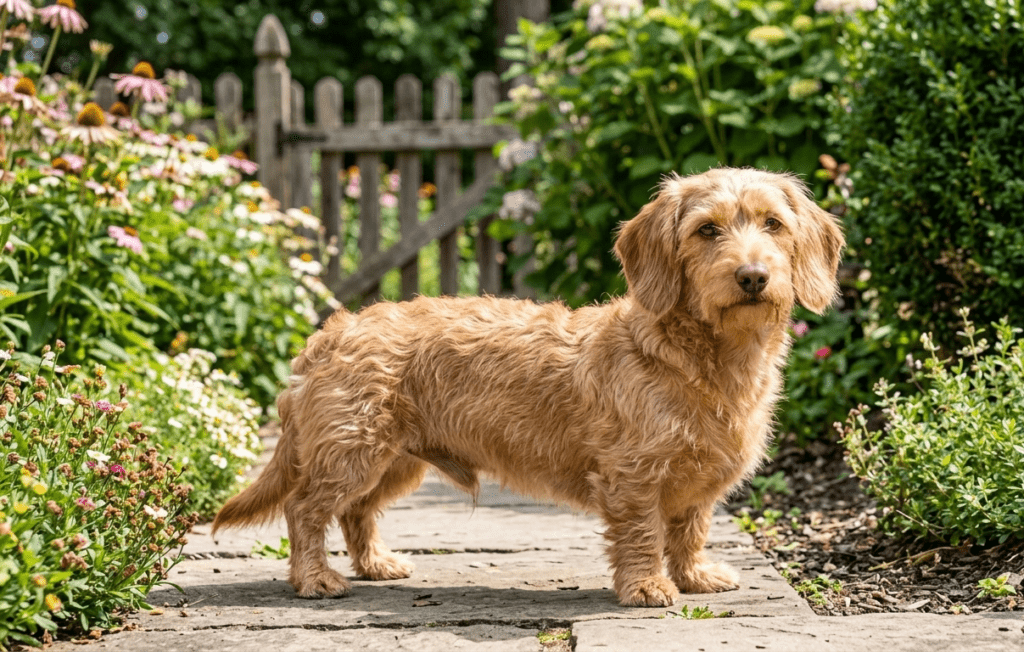
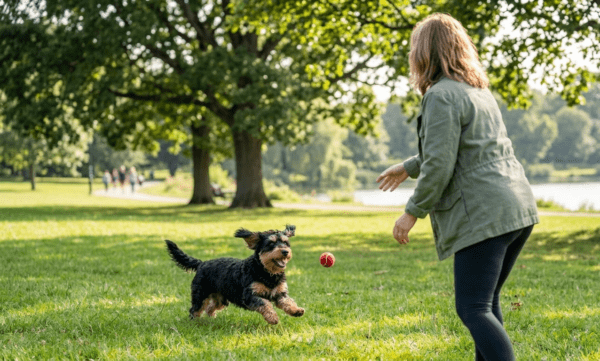
The Doxiepoo is a charming mix of Dachshund and Poodle that pairs intelligence with a playful, people-focused nature. Many Doxiepoos shed little, learn quickly, and bond closely with their families. This mix often enjoys puzzle games and short adventures, then settles in for relaxed couch time. The result is a companion that suits first-time adopters who prepare well and experienced owners who appreciate a witty, affectionate dog.
Thoughtful research matters before you adopt a Doxiepoo in Vermont. Coat type, back length, and energy can vary from dog to dog. Adoption is often the most responsible path because you give a dog a second chance while supporting ethical placement. You also gain transparency about temperament and medical history that reputable shelters and rescues collect during intake and foster care.
Vermont’s four seasons create both benefits and challenges for this breed. Cold, snowy winters require warm layers and careful footing for a long-backed dog that should avoid jumping on ice. Mud season and rural trails call for regular paw checks and tick prevention. Summers are comfortable for brisk walks near water and shaded paths. Doxiepoos adapt well to apartments in Burlington or farmhouses in the Northeast Kingdom when they receive daily exercise, consistent training, and mental enrichment.
You can avoid searching local animal shelters and regional rescues one by one by using Dog Academy. You can browse verified Doxiepoo listings in one place, save favorites, and follow step-by-step checklists that explain questions to ask, documents to gather, and red flags to avoid. You can still contact local animal shelters, regional rescues, and breed-specific rescue groups, yet a centralized listing page saves time and helps you compare options with confidence.
Start by browsing listings and reading each profile in full. You should note age, size, coat type, medical updates, and temperament notes from fosters. Understanding Doxiepoo needs matters in Vermont, especially leash skills around wildlife, weather readiness for winter, and back-safety habits such as using ramps instead of stairs.
Next, complete an application that usually asks about your schedule, housing, and training plan. Many groups request landlord approval if you rent and personal references to confirm stability. After review, coordinators often schedule a meet-and-greet. You can expect either a visit at the shelter, a meeting in a neutral public space, or a foster home appointment where you can see the dog’s routine.
Most organizations conduct a home check to confirm safety. Home checks look for secure exits, safe storage of cleaning supplies, and a plan to prevent jumping off furniture that could strain a long back. Approval timelines vary by dog and location, yet 1 to 3 weeks is common in Vermont. The pace depends on reference responses, home-visit scheduling, and transport if the dog is coming from another area. When transport is involved, rescues often arrange a relay system or a professional service to move dogs between locations, and they coordinate pickup details with you.

|
How Much Does It Cost to Adopt a Doxiepoo in Vermont?In Vermont, a realistic adoption fee for a Doxiepoo typically ranges from $350 to $550. Small, low-shedding mixes draw strong interest, which can raise fees slightly. Costs reflect care already provided, including spaying or neutering, vaccinations, microchipping, and veterinary exams. Fees can also include foster supplies, behavioral support, and transport if the dog arrives from outside the immediate area. Age, training, medical care, and demand influence price. Puppies and young adults usually sit at the higher end due to high demand and recent veterinary work. A dog that already receives basic training and grooming can also cost more. Senior dogs or dogs with known medical needs may be priced slightly lower to encourage the right fit while still covering care. |
How Should I Train a Doxiepoo?Doxiepoos are bright and eager, yet they often mix a Poodle’s quick learning with a Dachshund’s independent streak. Positive reinforcement works best. Reward calm behavior, quiet check-ins, and polite leash manners with treats and praise. Keep sessions short and upbeat. End on a win and repeat skills in different rooms and on Vermont sidewalks where new scents and noises appear. Focus early on house training, crate training, and gentle handling of paws and ears. Teach a solid recall, a reliable leave it, and a comfortable settle for coffee shop patios or trail breaks. Manage potential challenges like alert barking by reinforcing quiet moments and providing daily mental work through food puzzles and nose games. Protect the back with cues like wait and off, and use ramps to reach beds or sofas instead of jumping. If you want structured guidance at your own pace, explore Dog Academy’s online training courses. You can follow step-by-step lessons for puppies or adult dogs, build leash skills, and solve common issues like barking and leash reactivity with clear, humane methods. |
|
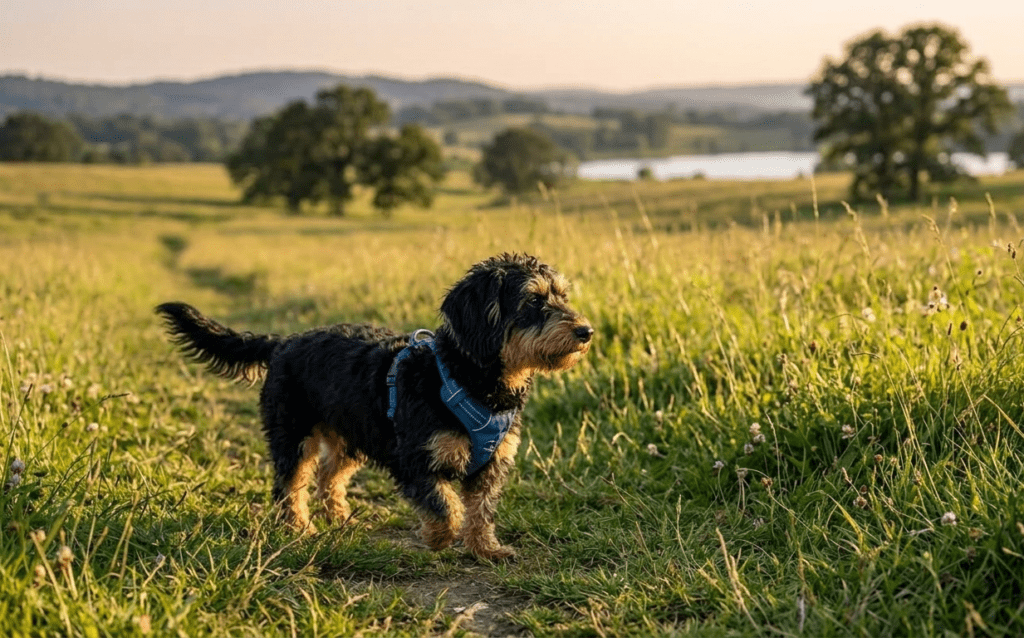
The ideal Doxiepoo adopter enjoys daily walks, plans for winter gear, and values gentle training. Families, singles, and retirees do well when they provide routine, enrichment, and safeguards for a long-backed companion. A calm home that offers play, puzzles, and close companionship helps this mix thrive.
Preparation leads to a smooth adoption. Gather supplies, set house rules, and review checklists so you feel ready on day one. Take your time, ask clear questions, and choose the dog whose needs match your lifestyle. When you feel confident, use Dog Academy to explore current Doxiepoo listings in Vermont and take the next step with clarity and care.

Introducing a new puppy to your current dog is often an exciting process, and many dogs will become fast friends and eas...
Read More
Rescue dogs can make great companions and can transform your home into something better. These dogs make great pets and ...
Read More
You should never rush to pet a dog. Even dog owners make the mistake of approaching unfamiliar dogs and petting them rig...
Read More
Puppy mill dogs are survivors who have endured extreme hardships in their lives. They have grown up in horrendous, unsan...
Read More
With their wagging tails and comforting presence, adopting a dog can add a unique touch to your life. It’s a heart...
Read More
Older dogs may have a few gray hairs around the edges, but that doesn’t mean they can’t make wonderful companions! T...
Read More