


























































































































































































Introducing a new puppy to your current dog is often an exciting process, and many dogs will become fast friends and eas...
Read MoreAdopt Me



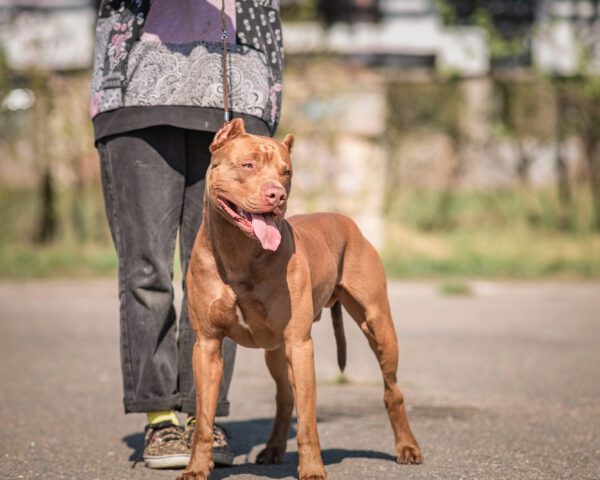
A Red Nose Pitbull is loyal, people focused, and eager to please. The red nose and copper coat are striking, but the real appeal is the breed’s devotion and athletic spirit. A Red Nose Pitbull is a color variation within the Pit Bull type. The dogs thrive when they receive structure, enrichment, and clear guidance.
Research matters before you adopt. Understanding energy levels, exercise needs, and long term health helps you choose wisely. Adoption is preferable to buying because you provide a second chance, you support humane care, and you often receive a dog that has been vetted and temperament assessed.
West Virginia offers forested trails, rolling hills, and mountain towns that suit an active dog. Summers are warm and humid, so you must manage heat with shade and water. Winters can be cold in higher elevations, so a fitted jacket may help short coats. Many homes have yards, yet secure fencing remains essential for safety. Some landlords and insurers set breed rules, so you should confirm housing and coverage before you apply.
You can avoid searching for rescues and shelters separately by using Dog Academy. You can browse Red Nose Pitbull listings in one place, filter by location and age, and message caretakers with questions. Dog Academy also provides educational guides and adoption checklists that help you prepare your home and routine.
Adoptable dogs appear through local animal shelters, regional rescues, breed-specific rescue groups, and foster-based networks. Some rescues arrange transport to move dogs between counties or states when a good match is found. Transport is often coordinated by volunteers or partner services that move dogs safely in climate controlled vehicles.
Start by browsing listings and reading full profiles. Look for notes about temperament, energy, handling, behavior with dogs or cats, and comfort with children. Ask for recent veterinary records and training history. If the dog seems like a match, you complete an application. Applications usually request identification, proof of residence, landlord approval if you rent, veterinary references, and a simple training plan that explains how you will meet exercise and enrichment needs.
Next comes a meet-and-greet. You may visit a shelter or a foster home. Many groups request that all household members attend. Bring resident dogs for a slow and neutral introduction if the organization approves it. A home check may be in person or virtual. The goal is to confirm safe fencing, secure gates, proper tether points, and a quiet area for decompression.
Approval timelines vary. Foster-based groups often approve within 3 to 10 days. Shelters with high intake may approve faster. Once approved, you sign an adoption contract and pay the fee. Many organizations offer post-adoption support and training referrals. You should ask what help is available so you can plan for the transition week.
|
How Much Does It Cost to Adopt a Red Nose Pitbull in West Virginia?Most adopters in West Virginia can expect to pay $100 to $250 at municipal shelters and $200 to $350 at rescue groups for a Red Nose Pitbull. Fees vary with age, training, medical care provided, and local demand. Puppies and highly trained adults often cost more, while seniors and special needs dogs may cost less to encourage placement. Adoption fees typically include spaying or neutering, vaccinations, microchipping, and veterinary exams. Many groups also provide deworming, heartworm testing, and a brief behavior assessment. You should budget extra for a fitted harness, a crate, food, toys, and a first veterinary visit. Some rescues add modest transport fees when dogs travel from other locations. |
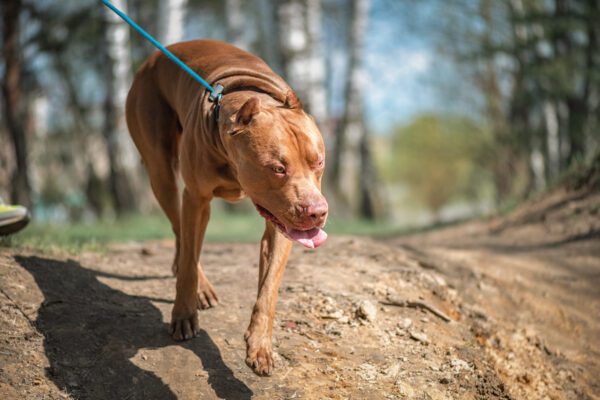
How Should I Train a Red Nose Pitbull?Red Nose Pitbulls are intelligent, work driven, and very trainable. They bond closely, which makes positive reinforcement highly effective. Use clear markers, high value treats, and short sessions. Aim for 5 to 10 minutes per session, 2 to 3 times per day. Teach foundation skills that support real life success. Focus on name response, settle on a mat, loose leash walking, recall, and polite greetings. Common challenges include impulse control, jumping to seek attention, and pulling to reach people or dogs. Address these with consistent management and rewards for calm choices. Socialize in controlled settings and advocate for your dog’s space. Introduce a crate as a safe resting place and teach a comfortable muzzle as a useful life skill. Avoid harsh corrections because they increase stress and confusion. You can follow step-by-step guidance through Dog Academy’s online training courses that cover obedience, leash skills, and behavior troubleshooting. Provide daily exercise and mental work. Aim for 60 to 90 minutes of activity split between walks, training, and play. Add enrichment like food puzzles, scent games, and tug with rules. A steady routine builds confidence and keeps high energy in balance. |

|
The ideal adopter is active, patient, and committed to daily training and structure. A secure yard, a reliable routine, and a plan for exercise help this breed thrive. Families do well when all members follow the same training cues and boundaries.
Take your time to research, prepare your home, and ask detailed questions about each dog. Set a budget, confirm housing approval, and identify a veterinarian. When you feel ready, browse listings, meet thoughtfully, and choose the dog that fits your lifestyle. With preparation and support, you can adopt a Red Nose Pitbull in West Virginia and build a confident partnership that lasts for life.

Introducing a new puppy to your current dog is often an exciting process, and many dogs will become fast friends and eas...
Read More
Rescue dogs can make great companions and can transform your home into something better. These dogs make great pets and ...
Read More
You should never rush to pet a dog. Even dog owners make the mistake of approaching unfamiliar dogs and petting them rig...
Read More
Puppy mill dogs are survivors who have endured extreme hardships in their lives. They have grown up in horrendous, unsan...
Read More
With their wagging tails and comforting presence, adopting a dog can add a unique touch to your life. It’s a heart...
Read More
Older dogs may have a few gray hairs around the edges, but that doesn’t mean they can’t make wonderful companions! T...
Read More