
















































































































































Introducing a new puppy to your current dog is often an exciting process, and many dogs will become fast friends and eas...
Read MoreAdopt Me

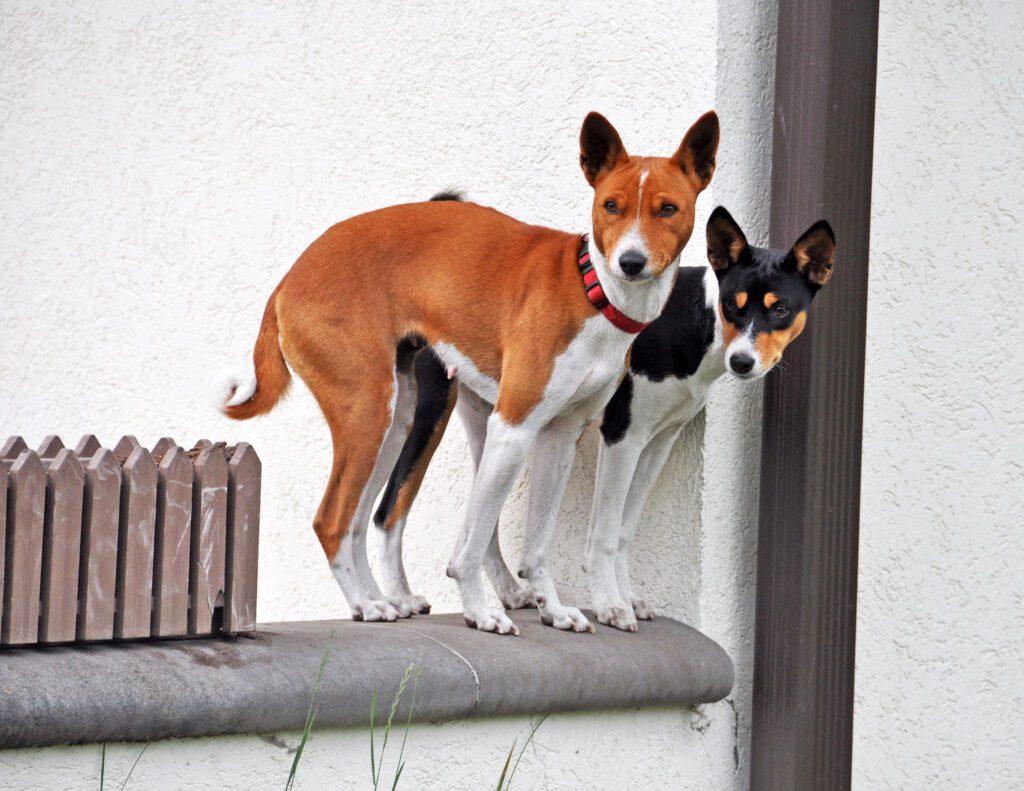
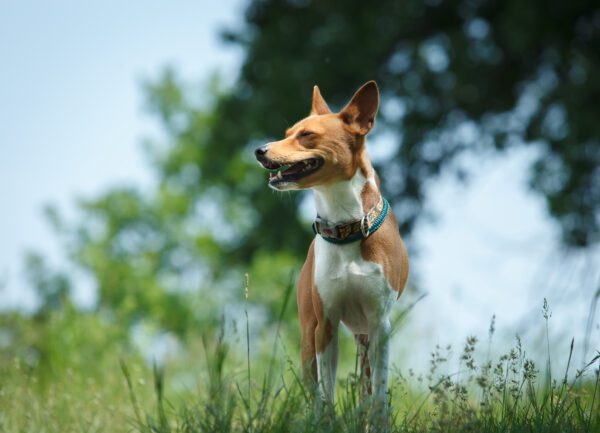
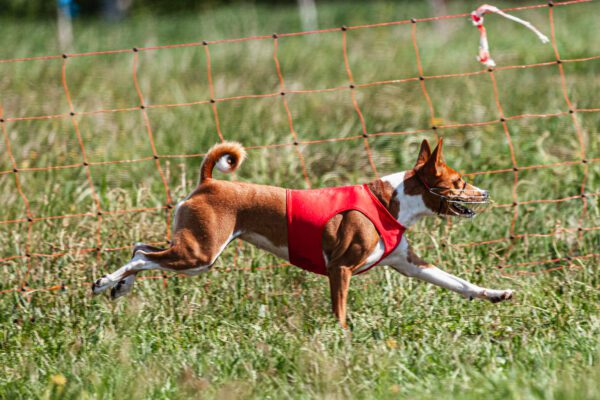
The Basenji is an athletic, catlike dog with a curious mind and a low-barking voice. Many people love this breed for clean habits, short coat, and a playful yet independent spirit. A Basenji bonds closely with family and thrives when given clear structure and daily mental challenges.
Research matters before you adopt a Basenji in West Virginia. The breed is energetic and often stubborn, which can feel tough for first-time owners. Adoption gives a deserving dog a second chance and usually includes helpful veterinary care. It also connects you with counselors who understand breed needs and can guide a smart match.
West Virginia has four distinct seasons and varied terrain that includes hills, mountains, and rivers. The Basenji’s short coat handles warm summers well, but this dog needs a jacket in cold or snowy weather. Many Basenjis enjoy scenic hikes on West Virginia trails, yet they must stay leashed due to a strong prey drive. Apartment life can work if you provide daily exercise, puzzle toys, and secure potty routines when rain or ice makes outdoor time brief.
You can skip the hassle of searching shelters and rescues one by one by using Dog Academy to browse adoption listings in one place. Dog Academy also offers educational guides and adoption checklists that explain what to expect from first inquiry to homecoming. This saves time and helps you focus on finding the right fit for your household.
Start by browsing listings through centralized platforms, local animal shelters, regional rescues, and breed-specific rescue groups. Read each profile carefully and compare energy level, age, size, and known behaviors. Look for notes on house training, crate skills, and compatibility with children or other pets. A good match begins with honest self-assessment and a clear plan for exercise and supervision.
When you find a Basenji that fits your lifestyle, submit an application with detailed answers. Most groups ask for personal references, proof of housing, and landlord approval if you rent. Many will schedule a meet-and-greet to confirm chemistry with everyone in the home. Home checks often happen in person or by video, and they verify safe fencing, secure doors, and a plan to manage escapes. Approval timelines vary by group and volunteer capacity, though many decisions are made within 3 to 14 days.
After approval, you will sign an adoption contract and pay the fee. Pickup is common for local placements. If the dog is in another area, the rescue may arrange transport to move dogs safely between locations. Transport is often coordinated by volunteers or trusted carriers, and animals travel in secure crates with scheduled rest stops. Ask how the dog will arrive, what supplies you need at pickup, and how to complete a calm transition into your home.
|
How Much Does It Cost to Adopt a Basenji in West Virginia?In West Virginia, expect most Basenji adoption fees to fall between $250 and $450. Fees trend toward the lower end for adult dogs placed through municipal shelters and toward the higher end for dogs placed through breed-focused rescues that provide specialized care. Puppies and young adults often cost more due to high demand and recent veterinary work. Costs reflect age, training, medical history, and local demand for this less common breed. Fees typically include spaying or neutering, vaccinations, microchipping, and veterinary exams. Some groups add costs for dental cleanings, bloodwork, or transport support if the dog comes from another region. Ask for an itemized breakdown so you know exactly what your fee covers. |
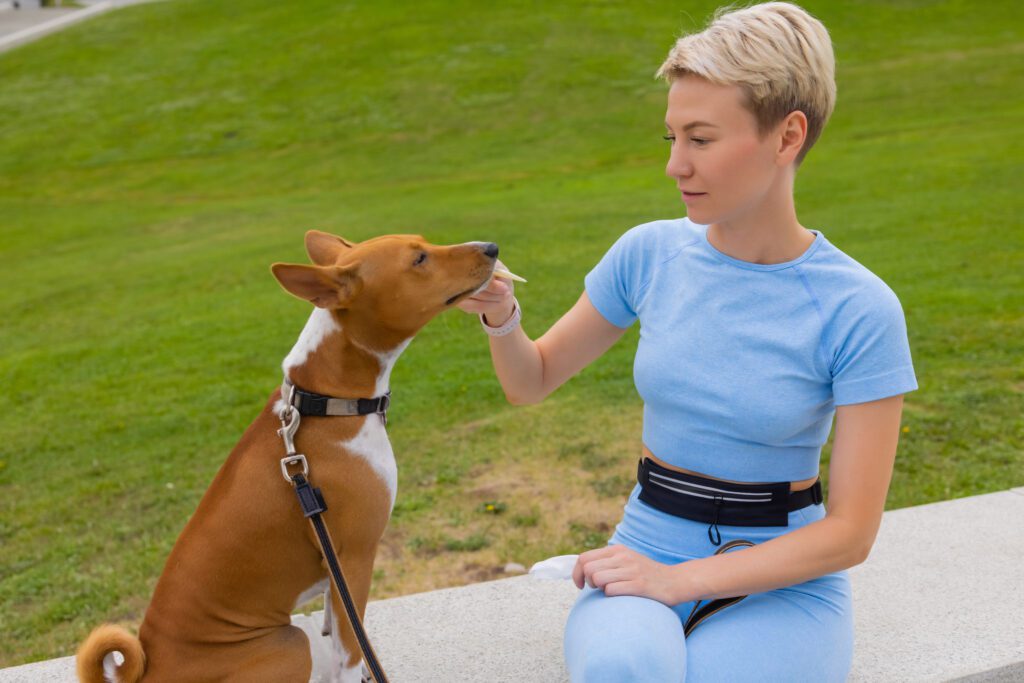
How Should I Train a Basenji?The Basenji is bright, agile, and highly observant. This dog learns fast when training is short, upbeat, and consistent. Many Basenjis test boundaries and ignore cues that feel boring, so you should keep sessions fun and reward rich. Food rewards and play work well, and marker training helps the dog connect actions to outcomes. Common challenges include recall around wildlife, chewing from boredom, and door-darting. Build success with management and clear routines. Use a secure harness and long line for recall practice, offer daily puzzle toys, and reinforce calm behavior at thresholds. Crate training protects your home and helps the dog settle after exercise. For step-by-step guidance, explore Dog Academy’s online training courses, which cover obedience, leash manners, crate training, and enrichment tailored to energetic, independent breeds. |
|
The ideal adopter enjoys daily activity, clear structure, and patient training. A Basenji does best with secure fencing, leashed outings, and a routine that blends exercise with mental work. Families with older children or adults who understand gentle handling often succeed with this sensitive and curious breed.
Preparation leads to a smooth, happy transition. Gather supplies, review training plans, and confirm a vet appointment before pickup. Take your time to research, ask questions, and wait for the right match. When you adopt a Basenji in West Virginia with a thoughtful plan, you set the stage for a loyal companion and years of adventure together.

Introducing a new puppy to your current dog is often an exciting process, and many dogs will become fast friends and eas...
Read More
Rescue dogs can make great companions and can transform your home into something better. These dogs make great pets and ...
Read More
You should never rush to pet a dog. Even dog owners make the mistake of approaching unfamiliar dogs and petting them rig...
Read More
Puppy mill dogs are survivors who have endured extreme hardships in their lives. They have grown up in horrendous, unsan...
Read More
With their wagging tails and comforting presence, adopting a dog can add a unique touch to your life. It’s a heart...
Read More
Older dogs may have a few gray hairs around the edges, but that doesn’t mean they can’t make wonderful companions! T...
Read More