

























































































































































































Introducing a new puppy to your current dog is often an exciting process, and many dogs will become fast friends and eas...
Read MoreAdopt Me

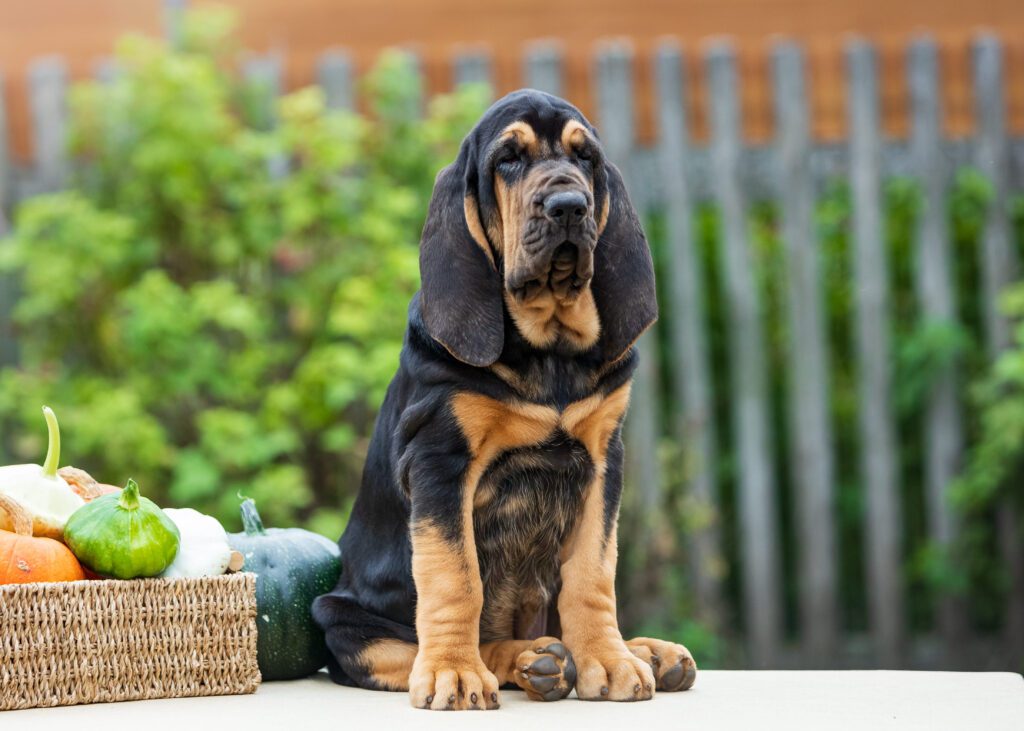

The Bloodhound is a gentle giant with legendary tracking ability, a soft expression, and a calm, affectionate nature. This breed loves people and often bonds strongly with the whole family. A Bloodhound brings devotion and comic charm, yet also brings big-dog realities like deep bays and drool. Careful research ensures the right match before you adopt a Bloodhound in West Virginia.
Adoption is often the best path because you help a dog in need while gaining insight from evaluations done by shelters and rescues. West Virginia offers forests, hills, and quiet back roads that suit a scent hound that loves to explore. The state’s humid summers mean careful heat management during midday, while cool mornings and evenings provide great sniff walks. Winters are manageable with short coats or light jackets when needed. Wooded terrain means consistent tick control, sturdy footwear for your walks, and secure fencing to prevent scent-driven wanderings.
Adopting rather than buying reduces demand for irresponsible breeding and supports lifesaving work. Many adoptable Bloodhounds arrive already vetted and temperament tested. Adult dogs often come with some house manners, and foster notes help you understand daily routines. Thoughtful preparation makes life easier for you and safer for your new hound.
You can skip searching shelters and rescues one by one by using Dog Academy to browse current adoption listings in one place. Dog Academy also offers educational guides and adoption checklists that help you compare dogs, prepare your home, and plan your first weeks together.
Adoptable Bloodhounds may appear in local animal shelters, regional rescues, breed-specific rescue groups, and foster-based networks. New arrivals post often, so check listings daily and act quickly when you find a good match. Stay flexible about age, sex, and color. A great temperament and lifestyle fit matter more than a specific look.
The process usually starts with browsing listings and reading each profile in full. Next you submit an application that covers your household, schedule, fencing, and experience with large or scent-driven dogs. Many groups ask for references and landlord approval when you rent. An adoption counselor schedules a phone interview to discuss training plans and exercise goals. A meet-and-greet follows, often with all household members and any resident pets present. Some organizations complete a home check in person or by video to confirm safe containment and hazard-free spaces.
Approval timelines vary. Straightforward adoptions often finalize within 1 to 3 weeks. Medical holds, behavior plans, or puppy placements may take longer. If the right dog is outside your area, transport is often arranged by rescues to move dogs between locations once approvals are complete. Transport usually uses volunteer drivers or licensed carriers and follows strict safety and veterinary requirements. After approval, you sign an adoption contract, pay the fee, and pick up your Bloodhound with a leash, collar, tags, and any medications provided.

|
How Much Does It Cost to Adopt a Bloodhound in West Virginia?Most adopters in West Virginia pay $200 to $350 for an adult Bloodhound through a shelter or rescue. Puppies typically cost $300 to $450 because they require extra veterinary care and high-demand screening. Seniors often cost $100 to $250 to encourage placement in loving homes. Fees in West Virginia trend moderate because operating costs are lower than in many metro areas, though purebred demand can raise prices when availability is limited. Adoption fees usually include spaying or neutering, vaccinations, microchipping, and veterinary exams. Many groups also provide heartworm testing, deworming, and flea and tick prevention. Prices vary based on age, training, medical care, and regional demand. A dog that receives dental work, specialty diagnostics, or professional training may cost more, while a healthy senior may cost less. Papers are rarely provided by rescues, and the lack of registration does not affect the dog’s quality as a companion. |
How Should I Train a Bloodhound?Bloodhounds are intelligent, but they are independent and follow their noses. Training works best when you use positive reinforcement and high-value rewards. End each session with success, keep lessons short, and give frequent sniff breaks as a reward. This approach respects the breed’s instincts and builds trust. Start with name recognition, leash manners, and a reliable recall cue that you back up with a long line and a secure harness. Teach leave it, settle, and go to mat to channel energy indoors. Crate training supports calm rest and safe travel. Daily scent games and structured tracking walks provide mental exercise that reduces problem behaviors. Avoid harsh corrections because they cause shutdown and damage your relationship. For step-by-step guidance, enroll in Dog Academy’s online training courses. You can follow clear lessons for loose-leash walking, recall foundations, impulse control, and enrichment that is tailored to scent hounds. Consistent practice and kind methods produce steady progress with this thoughtful breed. |

|
The ideal owner enjoys long daily walks, values calm companionship, and maintains a secure yard. A Bloodhound fits best with people who accept baying and drool, who commit to ear care and skin care, and who have time for training and enrichment. Families with children do well when they supervise interactions and teach gentle handling on both sides.
Take your time, prepare your home, and gather supplies before pickup. Research training, plan your first month, and ask questions during the process. With patience and good information, you can adopt a Bloodhound in West Virginia that matches your lifestyle and thrives by your side for years to come.

Introducing a new puppy to your current dog is often an exciting process, and many dogs will become fast friends and eas...
Read More
Rescue dogs can make great companions and can transform your home into something better. These dogs make great pets and ...
Read More
You should never rush to pet a dog. Even dog owners make the mistake of approaching unfamiliar dogs and petting them rig...
Read More
Puppy mill dogs are survivors who have endured extreme hardships in their lives. They have grown up in horrendous, unsan...
Read More
With their wagging tails and comforting presence, adopting a dog can add a unique touch to your life. It’s a heart...
Read More
Older dogs may have a few gray hairs around the edges, but that doesn’t mean they can’t make wonderful companions! T...
Read More