


























































































































































































Introducing a new puppy to your current dog is often an exciting process, and many dogs will become fast friends and eas...
Read MoreAdopt Me

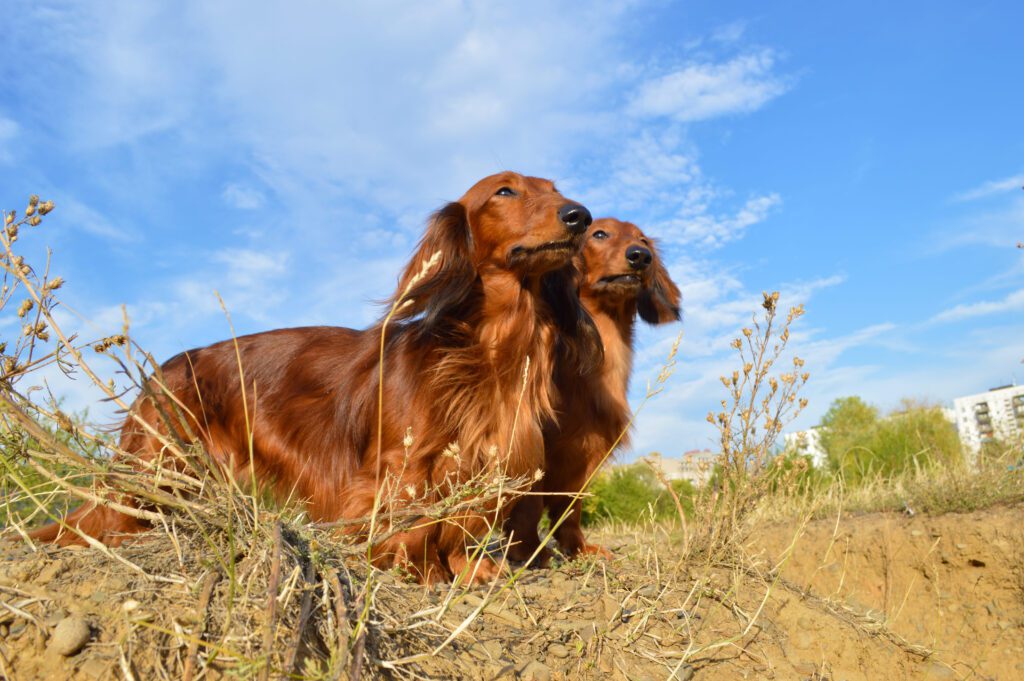


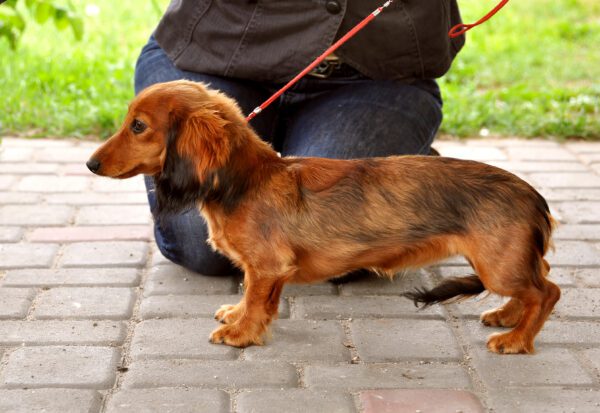
The Long-Haired Dachshund is loyal, clever, and full of character. The silky coat and bright expression draw attention, while the playful spirit keeps families smiling. This is a small hound with a big heart. The breed bonds closely with people and thrives when included in daily routines. Good research matters because this dog has unique needs related to grooming, exercise, and back safety. Adoption is a thoughtful choice because it gives a dog a second chance and it supports responsible animal welfare.
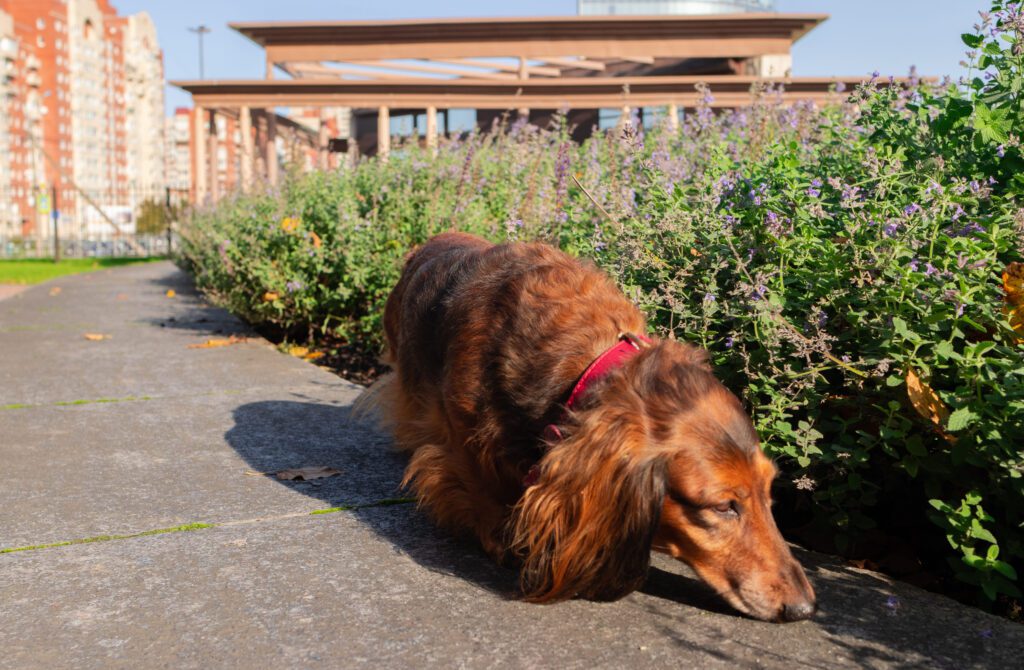
West Virginia offers a beautiful setting for this breed. The state has four distinct seasons with humid summers and cold, snowy winters. The long coat provides light insulation in winter, yet the dog can overheat in summer humidity without shade and water. The mountains and rolling hills create scenic walks on gentle trails. Short legs and a long back mean steep or rocky routes can be risky, so smooth paths suit this breed best.
Daily life in West Virginia often includes yard time and neighborhood strolls. A Long-Haired Dachshund fits apartment living or a small home because of the compact size, yet it still needs exercise and enrichment. The scent-driven nature encourages chasing wildlife, so secure fencing and a leash are important. Adopting rather than buying invites you to match a known personality with your lifestyle, which makes success more likely and keeps local shelters and rescues moving dogs into safe homes.
You can avoid searching rescues and shelters separately by browsing listings on Dog Academy. You can filter by location, age, and temperament so you can compare options quickly. You can also read care tips, educational guides, and adoption checklists that help you prepare for the first week at home. Beyond online tools, you can explore local animal shelters, regional rescues, breed-specific rescue groups, and foster networks that post dogs ready for adoption across the state.
The process starts with browsing profiles and requesting more details. A thoughtful application usually follows. Applications often ask about your schedule, fencing, landlord approval, and veterinary history. Many groups schedule meet-and-greets to assess fit with all family members. These meetings happen at the shelter, at a foster home, or at a neutral location. Some groups complete a home check to confirm safety, including gates, stairs, and secure storage for cleaning products and medications. Timelines vary. Shelters may approve within a few days, while breed-focused rescues may take 1 to 3 weeks to gather references and arrange introductions.
If the right dog is outside your immediate area, transport is often arranged by rescues to move dogs between locations. Volunteers or professional services drive dogs along planned routes to safe pickup points. After approval, you sign an adoption contract that explains medical history and return policies. You receive records for vaccinations and microchipping. You also receive guidance on decompression, which means giving the dog quiet time to adjust. Throughout the process, ask questions about grooming needs, back care, and exercise limits, since a Long-Haired Dachshund benefits from careful handling and consistent routines.
|
How Much Does It Cost to Adopt a Long-Haired Dachshund in West Virginia?Most adopters in West Virginia pay about $200 to $350 at local shelters and about $300 to $500 through breed-focused rescues. Fees are shaped by age, medical care, demand for the coat type, and any prior training. Puppies and young adults with long coats tend to cost more because demand is high. Seniors or dogs with special needs may cost less, although added medical support can increase total care costs after adoption. Adoption fees generally include spaying or neutering, vaccinations, microchipping, and veterinary exams. Many groups also include deworming and a heartworm test. Fees reflect the real cost of preparing a dog for a safe home. A slightly higher fee often signals that the dog received recent dental care or extra diagnostics. Always request an itemized breakdown so you understand exactly what the fee covers and what you must schedule with your veterinarian after adoption. |
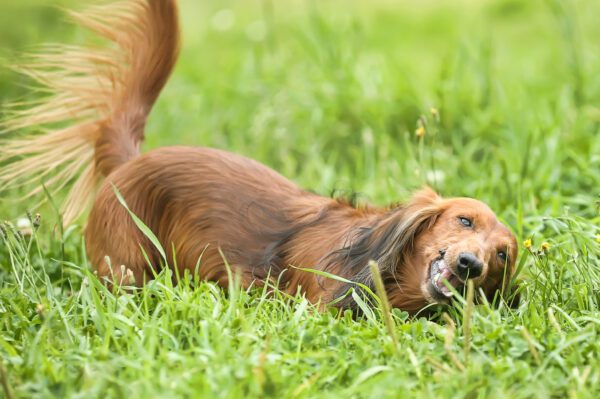
How Should I Train a Long-Haired Dachshund?The Long-Haired Dachshund is intelligent and curious, yet it can be independent because it was bred to work without constant direction. Short training sessions work best. Use high-value rewards, upbeat praise, and clear timing. Positive reinforcement builds trust and reduces stubborn behavior. House training can take longer for small dogs, so set a frequent potty schedule and reward outdoor success. Barking can rise when the dog is bored or unsure, so teach a quiet cue and provide daily enrichment like scent games and puzzle feeders. Protect the back by teaching safe habits. Reward stepping off furniture with a ramp and reward walking stairs slowly. Avoid jumping games that strain the spine. Practice loose-leash walking on smooth paths and use a harness that removes pressure from the neck. A strong recall on a long line keeps scent-chasing in check. For structured help, explore Dog Academy’s online training courses. Courses provide clear lessons, step-by-step videos, and tailored plans for small hounds. The right plan strengthens manners and confidence while keeping learning fun. |
|
This breed suits owners who enjoy daily walks, gentle grooming, and consistent routines. Ideal adopters can commit to brushing several times per week, providing 2 to 3 short outings each day, and supervising play to protect the back. Families with patient children or calm adult households both work well when interactions stay respectful and structured.
Preparation leads to success. Gather supplies in advance, arrange a veterinarian visit within the first week, and set a predictable schedule for meals, potty breaks, and rest. Take your time to compare dogs, ask detailed questions, and plan the first 30 days. When you are ready to adopt a Long-Haired Dachshund in West Virginia, start by browsing Dog Academy to find a safe, thoughtful match for your home.

Introducing a new puppy to your current dog is often an exciting process, and many dogs will become fast friends and eas...
Read More
Rescue dogs can make great companions and can transform your home into something better. These dogs make great pets and ...
Read More
You should never rush to pet a dog. Even dog owners make the mistake of approaching unfamiliar dogs and petting them rig...
Read More
Puppy mill dogs are survivors who have endured extreme hardships in their lives. They have grown up in horrendous, unsan...
Read More
With their wagging tails and comforting presence, adopting a dog can add a unique touch to your life. It’s a heart...
Read More
Older dogs may have a few gray hairs around the edges, but that doesn’t mean they can’t make wonderful companions! T...
Read More