


























































































































































































Introducing a new puppy to your current dog is often an exciting process, and many dogs will become fast friends and eas...
Read MoreAdopt Me

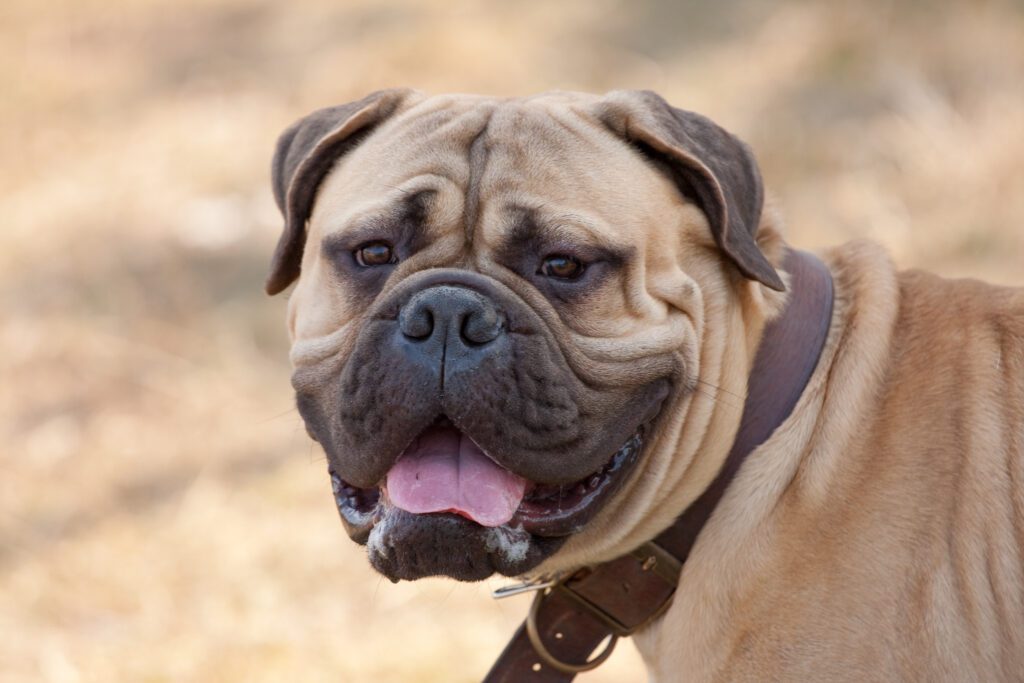
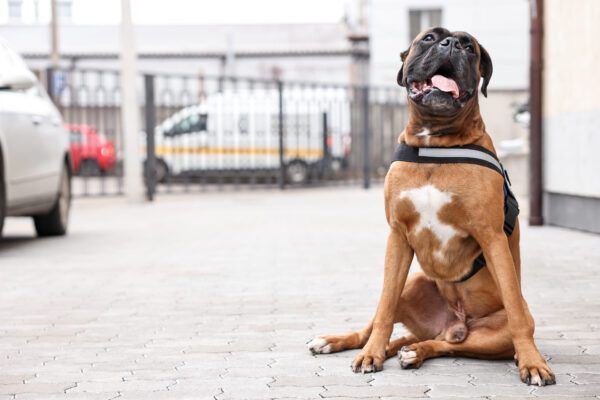
Bullmastiffs are steady, devoted, and deeply bonded companions. The breed is calm indoors, confident outdoors, and naturally protective without being loud or high energy. A well-bred and well-socialized Bullmastiff enjoys family time, handles visitors with guidance, and prefers moderate daily exercise. Careful research is essential before you adopt a Bullmastiff in West Virginia because size, strength, and guardian instincts require thoughtful handling and consistent training.
Adoption gives a deserving dog a second chance and often includes valuable veterinary care. Many adoptable Bullmastiffs arrive already assessed for temperament, which helps new owners start strong. West Virginia’s four-season climate suits the breed when you plan ahead. Hot, humid summers call for shade, cool water, and limited midday activity. Cold winters are manageable with a warm indoor space and short, safe outings. The state’s mountains and rural properties offer room to roam with a secure fence, while city living can work with elevators, daily walks, and clear house rules.
You can skip searching shelters and rescues separately by browsing Dog Academy’s adoption listings at Dog Academy. The listings bring together adoptable dogs from multiple sources so you can filter by location, age, and temperament in one place. You can also read educational guides and adoption checklists that help you prepare a safe home, understand breed traits, and plan your first week with your new dog.
In addition to centralized listings, you can look for adoptable dogs through local animal shelters, regional rescues, breed-specific rescue groups, and foster networks. Listings typically describe age, weight, health status, energy level, and behavior notes. Many groups serve large areas and may arrange transport between locations. Transport is often arranged by rescues to move dogs safely between states or within West Virginia using volunteer drivers or licensed carriers after an approved adoption.
The adoption process usually follows clear steps. You start by browsing listings and submitting an application that explains your household, schedule, fencing, landlord permission when required, and veterinary references. A coordinator reviews your application and discusses the dog’s needs to confirm a good match. Next comes a meet-and-greet at a foster home or neutral location so you can observe handling, leash manners, and reactions to new people. A home check may be virtual or in person to confirm safe containment and a suitable setup for a large breed. Once approved, you sign an adoption contract, pay the fee, and schedule pickup or transport. Timelines often range from 3 to 10 days after the meet-and-greet, and complex cases can take 2 to 3 weeks while paperwork, vet updates, or transport are completed.
|
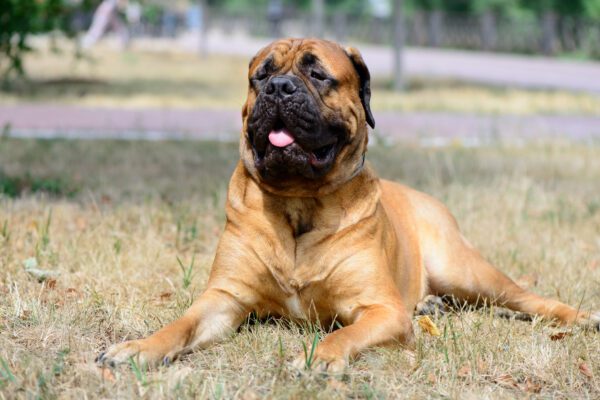
How Much Does It Cost to Adopt a Bullmastiff in West Virginia?In West Virginia, most adopters can expect to pay about $250 to $400 for an adult Bullmastiff and about $350 to $550 for a puppy. Senior dogs may be lower due to reduced demand. Fees reflect the higher cost of caring for a large breed and usually include spaying or neutering, vaccinations, microchipping, and veterinary exams. Many groups also include deworming, heartworm testing, and initial preventatives. Costs vary based on age, training, medical care, and local demand. Puppies often cost more due to routine boosters and high interest. Adults with completed training can be slightly higher because basic manners, house training, and leash skills reduce transition time. Dogs that received orthopedic care, dental work, or heartworm treatment may have higher fees to offset medical expenses. Transparent itemization helps you understand exactly what the fee covers. |
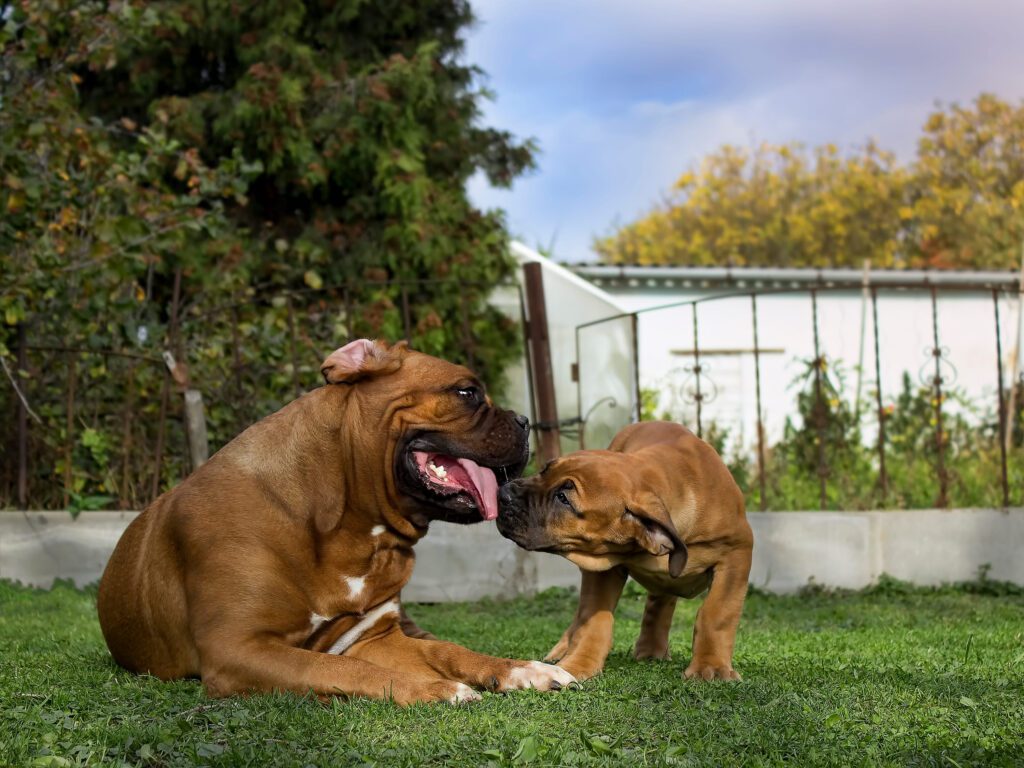
How Should I Train a Bullmastiff?Bullmastiffs are intelligent and eager to please, yet they can be independent. Clear structure, short sessions, and consistent rewards work best. Focus on name recognition, recall, loose-leash walking, and calm door greetings. Socialize early and steadily with friendly people, well-mannered dogs, and new environments. Positive reinforcement builds trust and encourages thoughtful behavior from a naturally powerful guardian breed. Start foundation training the first week and keep it gentle and firm. Reward quiet settling, practice impulse control with sit and wait, and guide polite introductions with clear boundaries. Teach cooperative care for nails, ears, and grooming to make vet visits easy. If you want step-by-step support, explore Dog Academy’s online training courses for leash manners, obedience, and behavior problem-solving designed for large breeds. |
|
The ideal Bullmastiff adopter is patient, calm, and consistent. A secure home, a reliable routine, and daily walks set this breed up for success. Families that can supervise interactions, maintain training, and manage a 100 to 130 pound dog will enjoy a loyal, gentle companion that watches over the home without constant noise.
Take time to research, ask detailed questions, and prepare your space before adoption day. Gather sturdy equipment, set up safe confinement, and plan your first week. When you adopt a Bullmastiff in West Virginia with careful preparation, you give a great dog a stable life and you gain a devoted friend for years to come.

Introducing a new puppy to your current dog is often an exciting process, and many dogs will become fast friends and eas...
Read More
Rescue dogs can make great companions and can transform your home into something better. These dogs make great pets and ...
Read More
You should never rush to pet a dog. Even dog owners make the mistake of approaching unfamiliar dogs and petting them rig...
Read More
Puppy mill dogs are survivors who have endured extreme hardships in their lives. They have grown up in horrendous, unsan...
Read More
With their wagging tails and comforting presence, adopting a dog can add a unique touch to your life. It’s a heart...
Read More
Older dogs may have a few gray hairs around the edges, but that doesn’t mean they can’t make wonderful companions! T...
Read More