


























































































































































































Introducing a new puppy to your current dog is often an exciting process, and many dogs will become fast friends and eas...
Read MoreAdopt Me

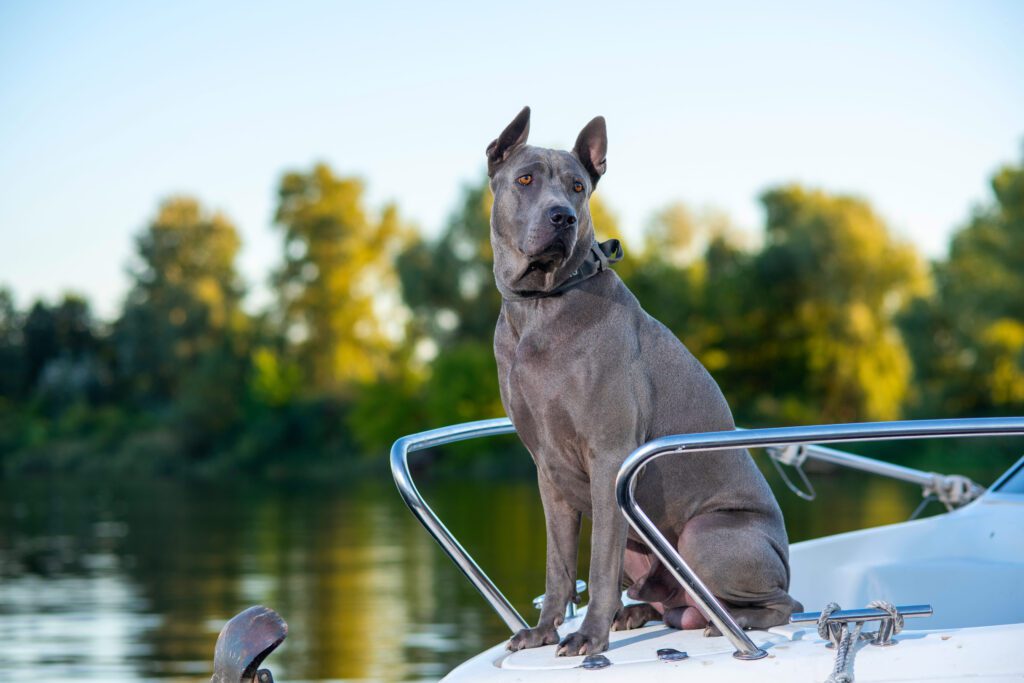


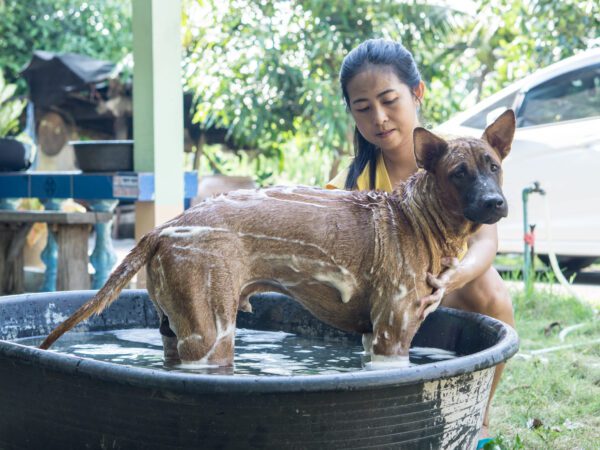
The Thai Ridgeback is athletic, loyal, and keenly observant. This rare breed bonds closely with family, shows natural independence, and prefers clear structure. The short coat sheds lightly and requires simple grooming, yet the breed’s primitive roots bring strong prey drive and a cautious approach to strangers. Thoughtful socialization, daily exercise, and patient training help this remarkable dog thrive.
Research matters before you adopt. Thai Ridgebacks are intelligent and self-directed, which rewards skilled handling but challenges first-time owners. Adoption gives a dog a second chance and often includes essential veterinary care that supports a healthy start. Choosing adoption also helps experienced foster teams place dogs where they fit best.
West Virginia’s mountains and forests offer miles of trails for an active companion, which suits a Thai Ridgeback that enjoys purposeful movement. Cold winters can challenge this thin-coated breed, so you must plan for coats, short potty breaks in extreme temperatures, and warm indoor rest. Humid summers call for shade, water, and calmer midday routines. Rural wildlife can trigger chasing, so a secure fence and attentive supervision are essential across the state’s varied terrain.
You can avoid searching for rescues and shelters separately by using Dog Academy to browse adoption listings in one place. You can filter by breed, age, size, and location to find Thai Ridgebacks and close mixes available in West Virginia and nearby regions. Dog Academy also provides educational guides and adoption checklists that help you prepare your home, understand requirements, and organize documents before you apply.
You can find adoptable dogs through local animal shelters, regional rescues, and breed-specific rescue groups. Start by browsing listings, then read each profile for details about temperament, exercise needs, and any medical notes. Contact the organization to confirm availability, ask questions about daily routine, and learn what support the group offers after adoption.
Most organizations use an application that verifies identity, housing, and readiness. You may be asked for landlord approval if you rent, personal references, and veterinary history for current pets. After an initial review, many groups schedule a meet-and-greet at a shelter or foster home, which allows you to observe the dog’s behavior with you and your household. Some groups complete a virtual or in-person home check to confirm safe fencing, secure gates, and suitable indoor space.
Approval timelines vary by dog and by organization. Straightforward applications can finish in 1 to 3 weeks, while medical cases or high-interest dogs can take longer. If a match is made outside your immediate area, many rescues arrange transport to move dogs between locations after approval. Transport usually involves coordinated drivers or licensed carriers who move dogs along set routes to adoptive homes or pickup hubs, and you will receive a schedule and instructions for a safe handoff.

|
How Much Does It Cost to Adopt a Thai Ridgeback in West Virginia?In West Virginia, a realistic adoption fee for a Thai Ridgeback or Thai Ridgeback mix typically ranges from $200 to $450 for an adult and from $300 to $600 for a puppy. The range reflects the breed’s rarity, the state’s moderate cost of living, and the level of care provided by shelters and rescues. Puppies and highly social adults tend to cost more due to demand and early veterinary care. Additional costs can apply if transport is arranged to bring a dog from another area, and transport fees usually reflect mileage and carrier costs. Adoption fees often include spaying or neutering, vaccinations, microchipping, and veterinary exams. Fees can also reflect treatment for parasites, dentals for older dogs, and behavior support during foster care. Some groups adopt out puppies with surgery scheduled at a partner clinic, and a refundable deposit is returned after proof of surgery. Training progress, age, medical history, and regional demand all influence the final fee. |
How Should I Train a Thai Ridgeback?Thai Ridgebacks are intelligent and highly capable, yet they prefer to think for themselves. Consistent, reward-based training works best because it turns cooperation into a choice that the dog enjoys. Short sessions, high-value treats, and calm praise keep focus strong without creating pressure. Early socialization with friendly, stable dogs and people builds confidence and reduces wary behavior with strangers. Focus first on settle on a mat, loose-leash walking, recall, and impulse control around wildlife or outdoor distractions. Leashed decompression walks, scent games, and structured fetch meet exercise needs while maintaining manners. Off-leash time in unfenced areas is not recommended due to strong prey drive. If you want expert help, you can use Dog Academy’s online training courses to follow step-by-step lessons on foundation skills, polite leash work, recall, confidence building, and behavior troubleshooting tailored to energetic, independent breeds. |
|
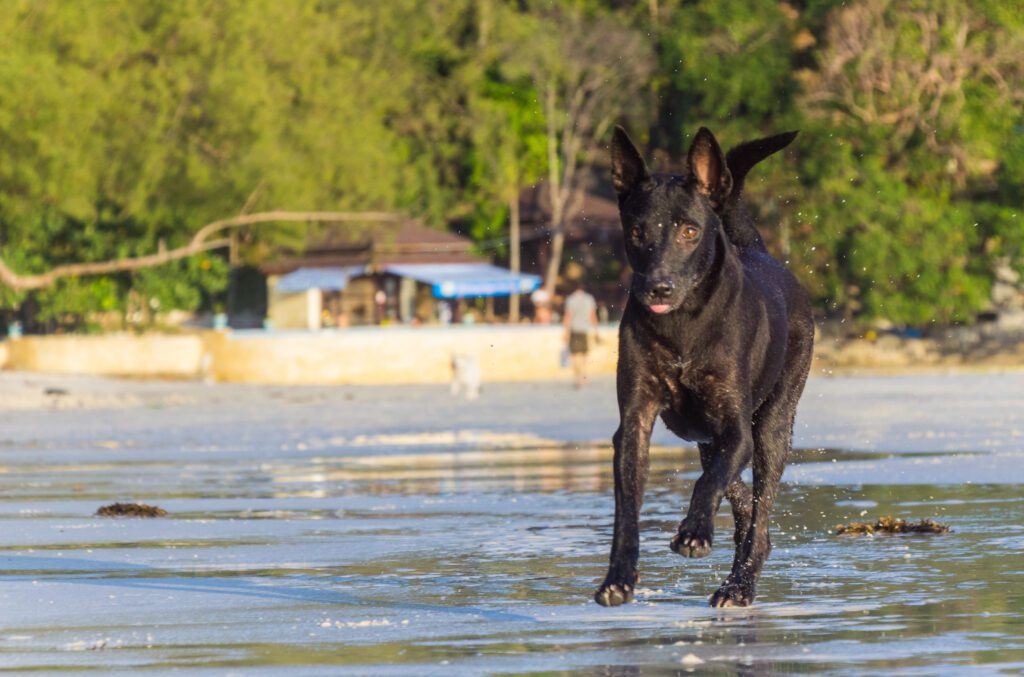
The ideal adopter enjoys daily activity, values structure, and maintains a secure home environment. Households with a fenced yard, consistent routines, and time for training tend to succeed with this thoughtful and athletic breed. Families with older children who respect boundaries often do well, and multi-pet homes should plan careful introductions and supervision.
Preparation sets you up for success. Gather supplies, line up a veterinarian, plan weather-appropriate gear, and schedule time for the first 2 weeks to build routines. Take your time, ask clear questions, and trust the process. When you are ready to adopt a Thai Ridgeback in West Virginia, you can explore listings through Dog Academy and use our guides to make an informed, confident choice that lasts a lifetime.

Introducing a new puppy to your current dog is often an exciting process, and many dogs will become fast friends and eas...
Read More
Rescue dogs can make great companions and can transform your home into something better. These dogs make great pets and ...
Read More
You should never rush to pet a dog. Even dog owners make the mistake of approaching unfamiliar dogs and petting them rig...
Read More
Puppy mill dogs are survivors who have endured extreme hardships in their lives. They have grown up in horrendous, unsan...
Read More
With their wagging tails and comforting presence, adopting a dog can add a unique touch to your life. It’s a heart...
Read More
Older dogs may have a few gray hairs around the edges, but that doesn’t mean they can’t make wonderful companions! T...
Read More