

























































































































































Introducing a new puppy to your current dog is often an exciting process, and many dogs will become fast friends and eas...
Read More
How to Introduce a New Puppy to Your Dog

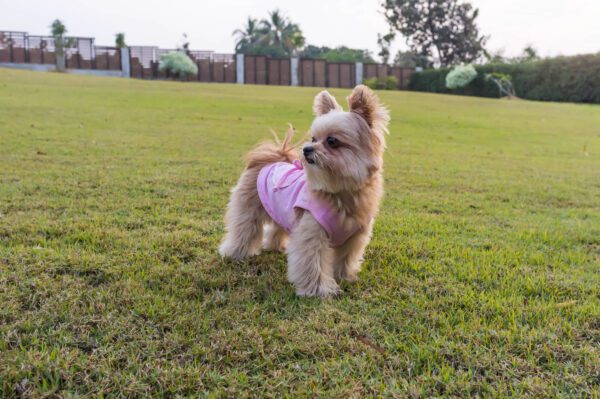
The Chorkie is a pint-sized companion with a big personality. This Chihuahua and Yorkshire Terrier mix brings bright energy, loyal affection, and a cheerful spirit to almost any home. The breed stays small, usually under 12 pounds, which makes daily handling simple and indoor living easy. A Chorkie often enjoys lap time, short play sessions, and quick bursts of exercise, and the breed thrives on human attention.
Thoughtful research matters before you adopt a Chorkie in West Virginia. The breed can be vocal, sensitive, and quick to bond, so structure and patience help the dog settle. Adoption gives a deserving dog a second chance, supports local animal welfare, and offers transparent information about behavior and health. Choosing adoption also reduces demand for irresponsible breeding.
West Virginia’s four-season climate brings humid summers and chilly winters, especially in higher elevations. A Chorkie does best with temperature control indoors and a warm coat for cold days. Rolling hills and wooded terrain offer pleasant walks, yet a small dog needs short routes, secure leashes, and close supervision. Many West Virginians enjoy a relaxed, outdoor lifestyle, and a Chorkie fits well when owners plan brief, frequent outings and safe play rather than long, strenuous hikes.
You can avoid searching shelters and rescues one by one by starting with Dog Academy. You can browse available Chorkies, filter by location, and view profiles in one place. Dog Academy also provides educational guides and adoption checklists so you can prepare your home, plan your budget, and understand the steps before you apply. You can also look at local animal shelters, regional rescues, and breed-specific rescue groups when you want to expand your search.
The process usually begins with browsing listings and reading full bios. Good listings explain age, size, energy level, and known behaviors. Once you find a match, you submit an application that explains your lifestyle, home setup, and experience with small dogs. Applications often request landlord approval if you rent and may ask for personal references to confirm stability and care history.
When an application looks promising, the next steps often include a meet-and-greet and a home check. A meet-and-greet lets you see how the Chorkie responds to your voice, handling, and routine. A home check confirms safety, including secure fencing, safe stairs, and a quiet place for rest. A home check may be virtual or in person depending on the group’s policy. Approval timelines vary, yet many adoptions move forward within 1 to 3 weeks once all steps are complete.
Some rescues also arrange transport to move dogs between locations when a great match appears in another area. Transport is often arranged by rescues to move dogs between states using volunteer drivers or professional carriers who coordinate safe, scheduled handoffs. Transport timing depends on route availability and the dog’s readiness for travel.

|
How Much Does It Cost to Adopt a Chorkie in West Virginia?Most adopters in West Virginia pay about $125 to $350 to adopt a Chorkie. Fees toward the lower end are more common at municipal shelters, while fees toward the higher end appear more often at foster-based rescues that invest in training and medical care. Young adults and puppies usually cost more due to demand and care needs, while seniors may cost less. Adoption fees typically cover spaying or neutering, vaccinations, microchipping, and veterinary exams. Cost also reflects age, behavior support, training progress, and any recent medical treatment such as dental cleanings or blood work. A well-documented medical history and proof of preventive care can raise the fee but reduce your first-year costs. |
How Should I Train a Chorkie?The Chorkie is smart, alert, and eager to connect with people. The breed learns quickly with short, upbeat lessons that use food rewards and praise. Consistency matters because small dogs can pick up bad habits as fast as good ones. House training can take extra time, so you can use frequent outdoor breaks and a clear routine. A potty pad can help during storms or icy mornings, yet outdoor reinforcement keeps progress steady. Many Chorkies bark to alert their family. You can teach quiet behavior by rewarding calm moments and redirecting with cues before excitement builds. Gentle socialization helps a Chorkie feel safe around visitors, dogs, and new places. Avoid rough play and high jumps to protect small joints and delicate tracheas. If you want step-by-step guidance, you can use Dog Academy’s online training courses to build reliable obedience, reduce barking, and reinforce polite manners with simple daily practice. |

|
A Chorkie suits adopters who want a close companion, enjoy short walks, and can provide steady attention. The breed fits apartments and small homes when owners plan daily enrichment and keep noise managed. Families with gentle, older children do well when everyone follows handling rules and keeps doors secure.
Preparation leads to a smooth start. You can gather supplies, choose a veterinarian, and set a budget for grooming, food, and preventive care. Take your time as you review listings, ask questions, and meet dogs at a calm pace. When you adopt a Chorkie in West Virginia with care and patience, you give a small dog a big new life and welcome a loyal friend home.
Introducing a new puppy to your current dog is often an exciting process, and many dogs will become fast friends and eas...
Read More
Rescue dogs can make great companions and can transform your home into something better. These dogs make great pets and ...
Read More
You should never rush to pet a dog. Even dog owners make the mistake of approaching unfamiliar dogs and petting them rig...
Read More
Puppy mill dogs are survivors who have endured extreme hardships in their lives. They have grown up in horrendous, unsan...
Read More
With their wagging tails and comforting presence, adopting a dog can add a unique touch to your life. It’s a heart...
Read More
Older dogs may have a few gray hairs around the edges, but that doesn’t mean they can’t make wonderful companions! T...
Read More