


























































































































































































Introducing a new puppy to your current dog is often an exciting process, and many dogs will become fast friends and eas...
Read MoreAdopt Me

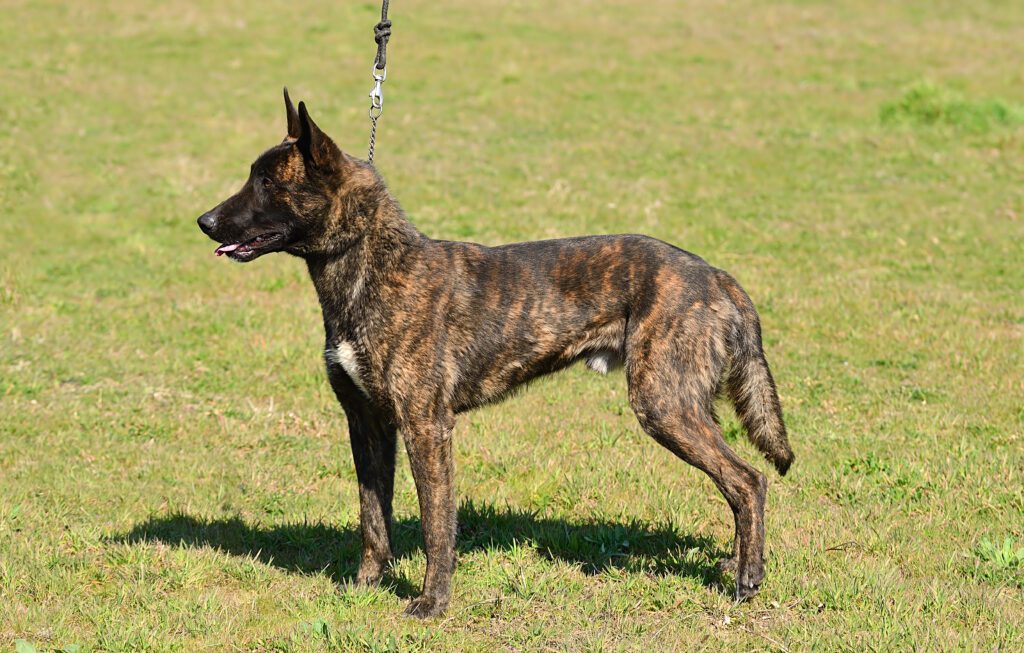


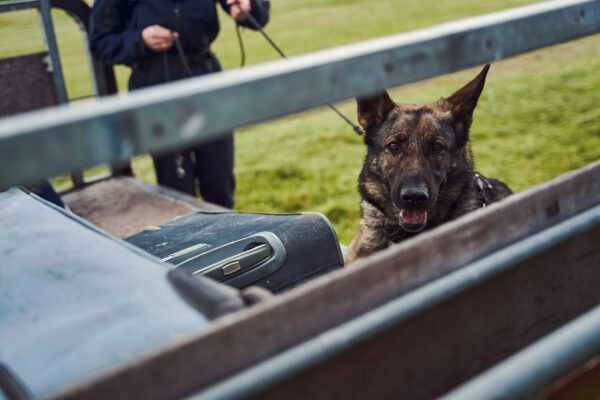
The Dutch Shepherd is a bright, athletic, and loyal herding dog that thrives when given a job. This breed forms deep bonds with family, stays alert without being frantic, and loves to learn new tasks. Many people choose a Dutch Shepherd because the breed blends keen intelligence with steady confidence, which can make daily life both fun and rewarding.
Research matters before you adopt a Dutch Shepherd in West Virginia. This breed needs daily exercise, frequent mental challenges, and consistent structure. Adoption is often the better path because it helps a dog in need and typically includes essential veterinary care. Adopting also gives you insight into a dog’s temperament, which supports a smoother transition into your home.
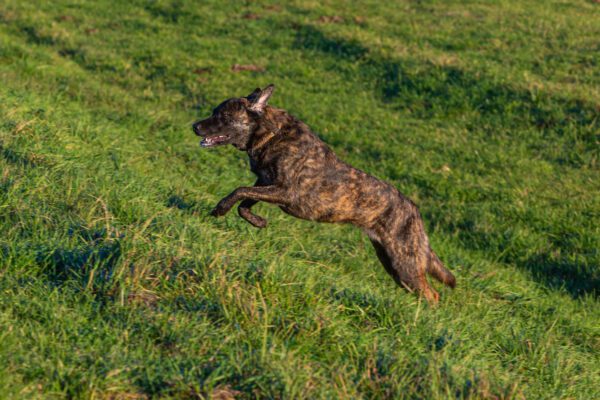
West Virginia offers a strong match for an active Dutch Shepherd. The state has rolling mountains, forested trails, and open spaces that invite long hikes and training sessions. The climate brings 4 distinct seasons. The Dutch Shepherd’s coat usually handles cold weather well, yet the humid summer heat calls for shaded breaks, fresh water, and careful activity planning. Rural and suburban homes can provide the room this breed enjoys. A secure fence, steady routines, and time for training will help this energetic dog succeed anywhere in the state.
You can avoid searching for rescues and shelters separately by browsing Dog Academy’s adoption listings. Visit Dog Academy to view available dogs, read detailed profiles, and submit interest in one place. Dog Academy also provides educational guides and adoption checklists that help you prepare, evaluate fit, and complete each step with confidence.
Adoptable Dutch Shepherds can appear through local animal shelters, regional rescues, foster-based groups, and breed-specific rescue groups. Some organizations list dogs from neighboring states when a good match is possible. Transport is often arranged by rescues to move dogs between locations, and it may involve volunteer drivers or licensed carriers along with required health certificates. Clear communication about timing and any related fees will keep the process smooth.
Start by browsing listings and reading full descriptions. Look for notes on energy level, reactivity, experience with children, and comfort around other pets. Ask questions about daily routines, crate training, and any known triggers. Submit an application that includes references, proof of home ownership or landlord approval, and the name of your veterinarian. Show that you understand the breed’s needs, and explain how you will provide exercise, training, and structure.
Most groups schedule a meet-and-greet after reviewing your application. Bring all household members and, when allowed, arrange a careful introduction with resident dogs. Home checks help ensure safety and readiness. A volunteer may visit in person or conduct a video walk-through to confirm secure fencing, safe containment, and a quiet area for decompression. Timelines vary from a few days to 2 or 3 weeks based on availability, transport, and any pending medical care. Prompt replies and thorough preparation usually speed approval.
|
How Much Does It Cost to Adopt a Dutch Shepherd in West Virginia?In West Virginia, expect most Dutch Shepherd adoption fees to fall between $200 and $450. Adult dogs often land near the lower half of this range, while young adults and puppies may be higher due to demand and additional care. Fees typically cover spaying or neutering, vaccinations, microchipping, and veterinary exams. Costs can rise when a dog has received advanced training, behavior support, or extensive medical treatment before placement. Age, training, medical care, and local demand all influence final pricing. A well-vetted working-breed dog that has completed basic obedience or that has recovered from an injury may carry a higher fee, which helps the organization offset expenses and continue saving more dogs. |
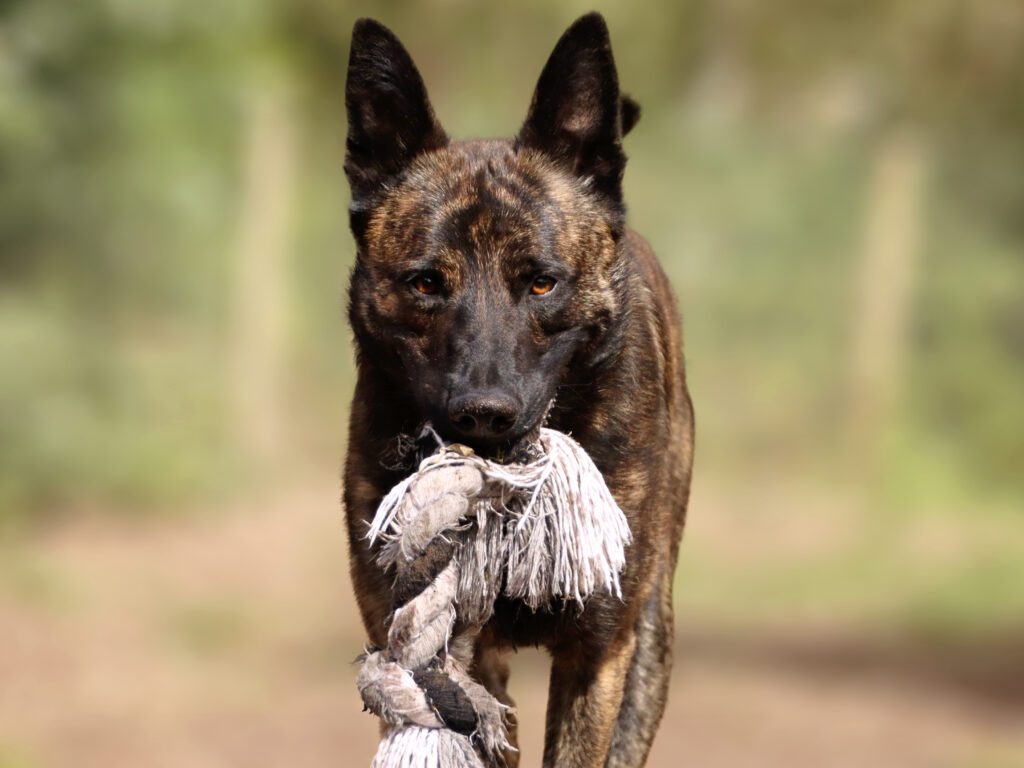
How Should I Train a Dutch Shepherd?The Dutch Shepherd is highly trainable and eager to work with a clear leader. This breed learns fast, reads human body language well, and thrives on purposeful activity. Positive reinforcement builds confidence and keeps focus high. Reward quick responses with food, toys, and play. Short sessions repeated often work best. Daily mental outlets such as scent games, obedience drills, and puzzle feeders help prevent boredom. Common challenges include herding behaviors like circling or heel nipping, persistent chasing, and vocal alerting. Carefully manage arousal, practice calm leash skills, and reward stillness as much as action. Socialize thoughtfully to build neutrality around dogs, livestock, wildlife, and strangers. If you want step-by-step help, explore Dog Academy’s online training courses. These courses teach impulse control, reliable recall, loose-leash walking, and confidence-building exercises tailored to energetic working breeds. |
|
The ideal adopter enjoys daily activity, values structure, and has time for training and enrichment. A Dutch Shepherd will excel with an owner who provides 60 to 90 minutes of exercise, regular brain work, and clear boundaries. A secure yard, a safe crate, and a consistent routine will set the stage for success.
Preparation leads to the best match. Take time to research, gather supplies, and plan the first weeks at home. When you are ready to adopt a Dutch Shepherd in West Virginia, use Dog Academy to explore listings, follow a clear adoption checklist, and choose the dog that fits your lifestyle. Patience now will reward you with a brilliant, devoted companion for years to come.

Introducing a new puppy to your current dog is often an exciting process, and many dogs will become fast friends and eas...
Read More
Rescue dogs can make great companions and can transform your home into something better. These dogs make great pets and ...
Read More
You should never rush to pet a dog. Even dog owners make the mistake of approaching unfamiliar dogs and petting them rig...
Read More
Puppy mill dogs are survivors who have endured extreme hardships in their lives. They have grown up in horrendous, unsan...
Read More
With their wagging tails and comforting presence, adopting a dog can add a unique touch to your life. It’s a heart...
Read More
Older dogs may have a few gray hairs around the edges, but that doesn’t mean they can’t make wonderful companions! T...
Read More