

























































































































































































Introducing a new puppy to your current dog is often an exciting process, and many dogs will become fast friends and eas...
Read MoreAdopt Me

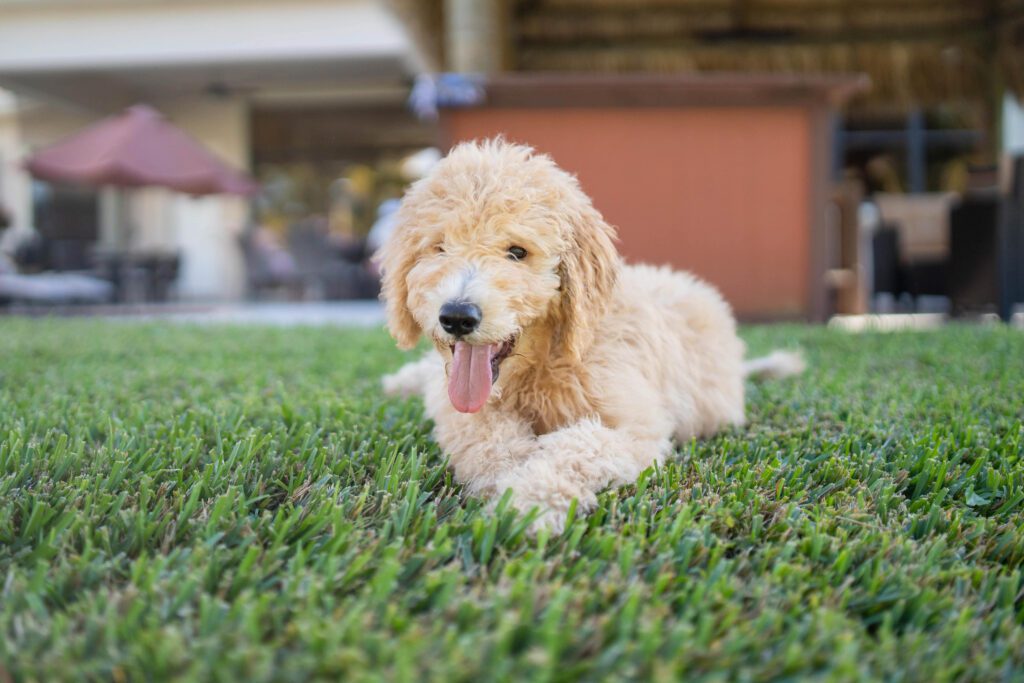


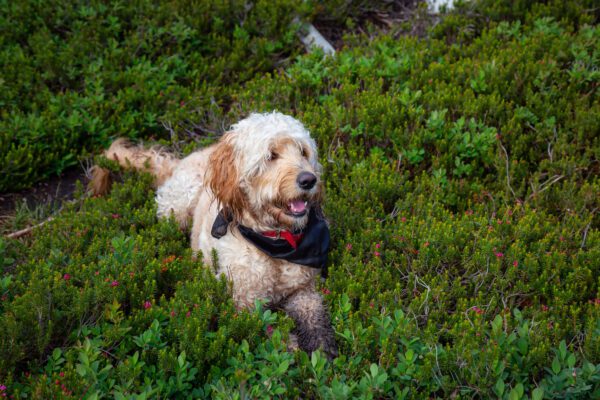
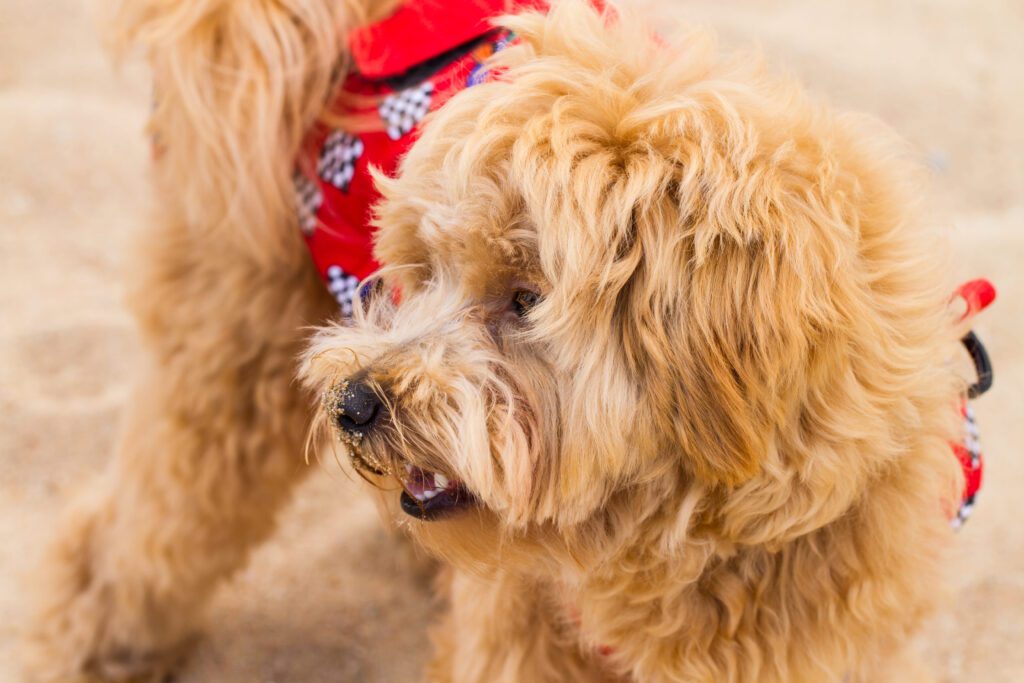
A Mini Goldendoodle blends the friendly nature of the Golden Retriever with the quick learning and low-shedding coat of the Mini Poodle. The result is a small companion with big personality who thrives on human connection, play, and purpose. The breed suits families, couples, and active singles who want an affectionate dog that learns quickly and enjoys daily adventures.
Research helps every adoption succeed. A Mini Goldendoodle needs steady exercise, mental enrichment, and regular grooming. Adoption gives a deserving dog a second chance and helps reduce overpopulation. Choosing adoption over buying also supports community-based animal care and opens a spot for the next dog in need. Understanding coat care, energy needs, and social needs ensures a smooth transition into your home.
West Virginia’s four-season climate can work well for this breed when you plan ahead. Summers in river valleys get humid, so shade, water, and rest keep outings safe. Winters in higher elevations bring snow and cold, so a fitted winter coat helps smaller dogs stay warm. The Appalachian terrain offers trails and quiet country roads for walks, and suburban neighborhoods provide safe places to train. Rural living can offer a fenced yard for play, while apartment life can also work with daily walks and structured indoor enrichment.
You can avoid searching for rescues and shelters separately by browsing adoptable Mini Goldendoodles on Dog Academy. The listings bring together dogs from local animal shelters, regional rescues, and foster-based groups. You will also find educational guides and adoption checklists that explain each step. You can still contact local animal shelters and breed-specific rescue groups if you want to widen your search, but a single, organized listing page saves time and reduces stress.
Start by browsing listings and reading each dog’s profile. Look for age, size, energy level, grooming history, and notes on behavior. Ask about health records, housetraining progress, and how the dog handles children, other dogs, and cats. Think about your home setup, your schedule, and your experience with training. A calm adult may suit a first-time adopter, while an energetic young dog may suit an active household that enjoys daily hikes across West Virginia’s rolling hills.
Most groups use an application that asks about your home, yard, and routine. You may need references and proof of landlord approval if you rent. Meet-and-greets help everyone assess fit, and some groups also complete a home check. Home checks confirm safety measures like secure fencing and safe storage of household hazards. Approval timelines vary by demand and staffing, and most decisions take from a few days to a few weeks. Prompt replies and complete information keep the process moving.
Many dogs live in foster homes, which helps you see real-world behavior. If the right dog is not nearby, ask about transport options. Transport is often arranged by rescues to move dogs between locations when a better match lives in another area. Final steps include signing an adoption contract, paying the fee, and reviewing post-adoption support. Some groups offer trial periods and training guidance so you and your Mini Goldendoodle settle in with confidence.
|
How Much Does It Cost to Adopt a Mini Goldendoodle in West Virginia?In West Virginia, adoption fees for a Mini Goldendoodle usually fall between $250 and $550. The range reflects strong demand for doodle mixes and the lower operating costs common in the region. Younger dogs and high-demand sizes often sit near the top of the range, while seniors and dogs with known medical needs may be lower. Fees typically help cover spaying or neutering, vaccinations, microchipping, and veterinary exams. Costs also reflect prior training, grooming, and any specialty care such as dental work or treatment for skin issues. Age, training level, medical history, and regional demand all affect price. Plan a separate budget for grooming every 6 to 8 weeks, quality food, a harness and leash, toys, and preventive care. |
How Should I Train a Mini Goldendoodle?A Mini Goldendoodle learns quickly and enjoys training that uses positive reinforcement. Short, upbeat sessions build focus and confidence. Reward calm behaviors like sit, down, and place before practicing loose-leash walking and recall. Early socialization with friendly, vaccinated dogs and calm people helps prevent shyness and reactivity. Teach handling skills so grooming visits remain low stress. Common challenges include jumping to greet, mouthy play, pulling on leash, and barking when bored. Manage energy with daily walks, fetch, and puzzle feeding. Use crate training to provide rest and to support housetraining, and set a simple schedule for meals, potty breaks, and play. If you want step-by-step help, explore Dog Academy’s online training courses for guidance on manners, leash skills, impulse control, and enrichment tailored to busy households. |
|
The best match is an adopter who enjoys daily activity, consistent routines, and kind leadership. A Mini Goldendoodle thrives with people who provide time for exercise, structure for training, and care for coat and nails. Families, retirees, and active singles can all succeed when they choose a dog whose energy and temperament fit their lifestyle.
Preparation leads to a happy transition. Set up supplies, plan a quiet first week, and schedule a veterinary visit. Take your time, ask clear questions, and trust the process. With careful research and patient training, you can adopt a Mini Goldendoodle in West Virginia and welcome a devoted companion for years to come.

Introducing a new puppy to your current dog is often an exciting process, and many dogs will become fast friends and eas...
Read More
Rescue dogs can make great companions and can transform your home into something better. These dogs make great pets and ...
Read More
You should never rush to pet a dog. Even dog owners make the mistake of approaching unfamiliar dogs and petting them rig...
Read More
Puppy mill dogs are survivors who have endured extreme hardships in their lives. They have grown up in horrendous, unsan...
Read More
With their wagging tails and comforting presence, adopting a dog can add a unique touch to your life. It’s a heart...
Read More
Older dogs may have a few gray hairs around the edges, but that doesn’t mean they can’t make wonderful companions! T...
Read More