


























































































































































































Introducing a new puppy to your current dog is often an exciting process, and many dogs will become fast friends and eas...
Read MoreAdopt Me

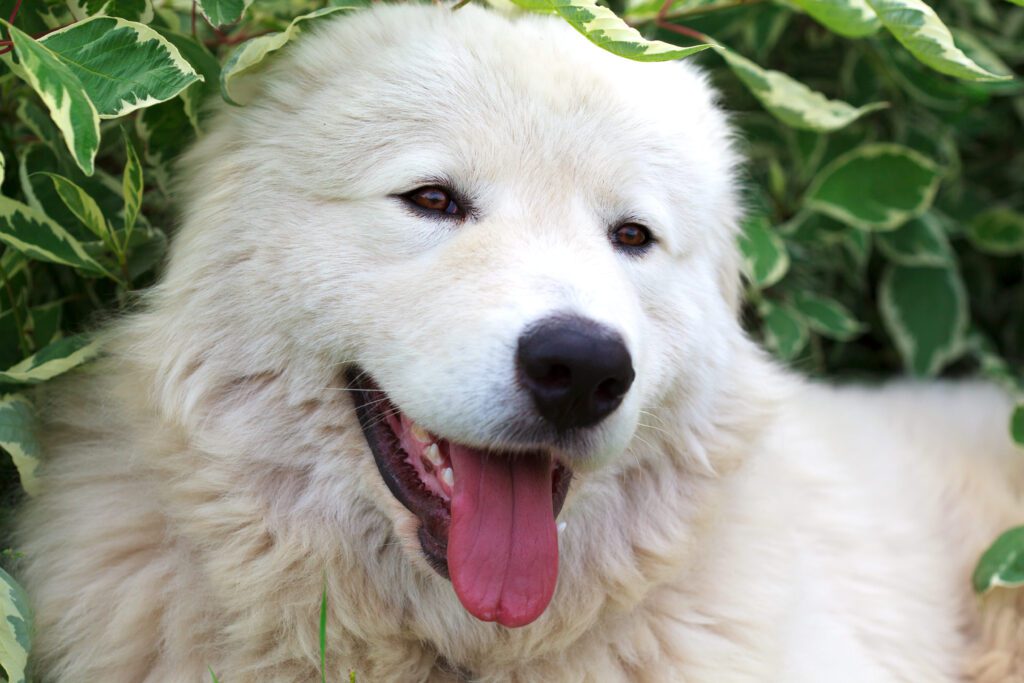


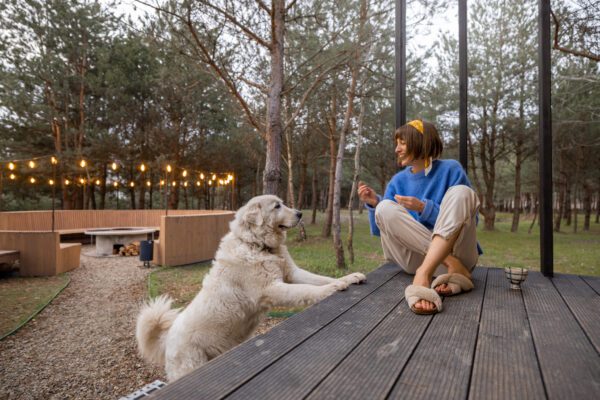
The Maremma Sheepdog is steady, loyal, and deeply protective. This livestock guardian dog watches over home and family with calm confidence. The breed bonds closely yet stays independent, which makes daily life smooth once you set fair rules. A Maremma Sheepdog suits adopters who want a thoughtful partner rather than a constant shadow.
Research matters before you bring home a guardian breed. The Maremma Sheepdog is gentle with loved ones but wary with strangers, and the dog uses a loud bark to alert to change. The coat is thick and sheds in all seasons. Adoption gives you a clearer picture of temperament and needs, which helps you choose a dog that fits your life. Adoption also supports animal welfare and reduces demand for commercial breeding.
West Virginia offers a strong match for many Maremma Sheepdogs. The state has rolling hills, farms, and quiet neighborhoods where a guardian can relax and patrol a secure yard. Winters in higher elevations can be cold and snowy, which suits the heavy double coat. Summers can be warm and humid, so shade and fresh water are essential. Active residents who enjoy hiking and yard time can meet exercise needs through daily walks, enrichment, and calm off-duty days at home. Apartment living is challenging for this vocal, large guardian, and a securely fenced yard is strongly recommended.
You can skip separate searches of rescues and shelters by using Dog Academy to view adoption listings in one place. Dog Academy also offers clear guides and checklists that help you prepare, compare options, and move through each step with confidence.
Start by browsing adoptable dogs through local animal shelters, regional rescues, and breed-specific rescue groups. Read each profile in full. Look for notes about temperament, energy level, yard and fencing needs, history with livestock, and comfort with children or other pets. Ask follow-up questions so you understand how the dog behaves in a home or on a property.
Most organizations use a simple process. First you submit an application that confirms your home setup, schedule, and experience with large or guardian breeds. You may need references or landlord approval when you rent. Next you set a meet-and-greet to see how you and the dog connect. A home check often follows to confirm secure fencing and safe spaces. Some groups offer a foster-to-adopt period so you can confirm the match. Approval timelines vary, though many decisions arrive within 1 to 4 weeks. Guardian breeds may involve extra screening to ensure proper management and safety.
If the right Maremma Sheepdog is not located in your immediate area, ask about transport. Transport is often arranged by rescues to move dogs between states or regions using approved volunteers or professional carriers. Health certificates and vaccination records travel with the dog, and pickup is scheduled at a safe meeting point that fits the route and timeline.
|
How Much Does It Cost to Adopt a Maremma Sheepdog in West Virginia?In West Virginia, most adopters pay about $200 to $350 for an adult Maremma Sheepdog and about $300 to $500 for a puppy. Fees trend toward the lower end for seniors and toward the higher end for young dogs with current training or recent medical work. Costs reflect spaying or neutering, vaccinations, microchipping, and veterinary exams. Fees can also include deworming, heartworm testing, and behavioral assessments. Price varies with age, training, medical care, and local demand. A Maremma Sheepdog with demonstrated livestock skills or recent obedience work may cost more due to evaluation time and training investment. A dog recovering from medical treatment may also cost more because follow-up care is included. Transparent fee breakdowns help you compare value rather than price alone. |
How Should I Train a Maremma Sheepdog?The Maremma Sheepdog is intelligent and determined. The dog learns quickly when training is calm, consistent, and fair. The breed was developed to make decisions without constant direction, which means the dog responds best to clear boundaries and daily structure rather than nonstop commands. Use positive reinforcement to build trust and reliability. Reward quiet checking in, loose leash walking, and a solid recall. Teach boundary training, place training, and calm greetings to manage alert barking. Introduce new people and dogs at a pace that keeps your Maremma Sheepdog relaxed. If you plan to keep livestock, supervise early sessions with secure fencing and short work periods. For step-by-step help, explore Dog Academy’s online training courses, which cover foundation skills, cooperative care, impulse control, and real-world manners tailored to large guardian breeds. |
|
The ideal adopter enjoys quiet routines, provides a secure yard, and values a guardian that watches first and acts second. Families that plan for training, enrichment, and structured socialization set this breed up to thrive. Preparation is the key to a safe and happy transition.
Take your time, ask detailed questions, and trust your instincts about fit. With careful research and the right resources, you can adopt a Maremma Sheepdog in West Virginia that matches your lifestyle and goals for years to come.

Introducing a new puppy to your current dog is often an exciting process, and many dogs will become fast friends and eas...
Read More
Rescue dogs can make great companions and can transform your home into something better. These dogs make great pets and ...
Read More
You should never rush to pet a dog. Even dog owners make the mistake of approaching unfamiliar dogs and petting them rig...
Read More
Puppy mill dogs are survivors who have endured extreme hardships in their lives. They have grown up in horrendous, unsan...
Read More
With their wagging tails and comforting presence, adopting a dog can add a unique touch to your life. It’s a heart...
Read More
Older dogs may have a few gray hairs around the edges, but that doesn’t mean they can’t make wonderful companions! T...
Read More