































































































Introducing a new puppy to your current dog is often an exciting process, and many dogs will become fast friends and eas...
Read MoreAdopt Me





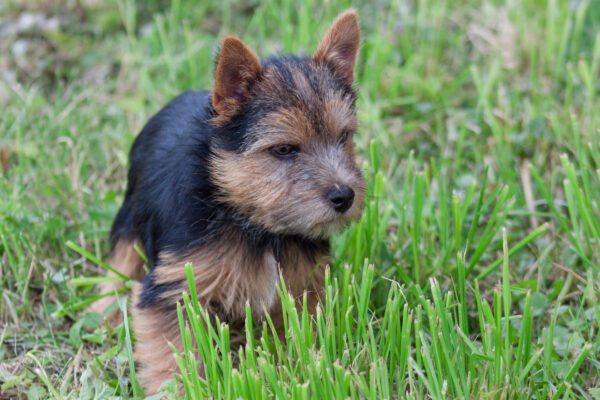
The Norwich Terrier is a small, sturdy, and spirited companion that loves people and adventure. This breed stays cheerful, learns quickly, and brings big personality in a compact body. The wiry coat sheds lightly and stays weather resistant with regular care. Thoughtful research matters because the Norwich Terrier has strong terrier instincts that reward consistent training and daily exercise.
Adoption is a smart and compassionate choice. You give a deserving dog a new start while supporting the lifesaving work of shelters and rescues. You also gain helpful background details from adoption counselors who want to match you with the right fit.
West Virginia offers rolling hills, cool mornings, and four distinct seasons. The Norwich Terrier enjoys brisk walks on gentle trails and quick play sessions in secure yards. The coat handles chilly days well, yet the dog still needs indoor living and protection from winter wind. Summers can grow humid, so plan shady breaks, fresh water, and shorter midday outings. Many areas are wooded, which adds ticks and wildlife to consider. A leash or a fenced yard helps manage the Norwich Terrier’s strong prey drive in these settings.
You can skip searching shelters and rescues one by one when you use Dog Academy to browse adoption listings in a single place. You can filter by location, age, and size to save time. You can also use Dog Academy guides and adoption checklists to plan each step with confidence.
Start by looking at local animal shelters, regional rescues, and breed-specific rescue groups. Norwich Terriers are rare, so you may expand your search to nearby states. Rescues sometimes arrange transport between locations to move dogs safely to approved adopters. Transport usually involves volunteer drivers or licensed carriers, and it may include a health certificate and a modest transport fee.
After you find a promising match, submit an application that explains your home, schedule, and experience with dogs. You may be asked for references, proof of residence, or landlord approval for renters. A counselor reviews the application to confirm that the dog’s needs and your lifestyle align.
Next, plan a meet-and-greet to observe temperament, energy level, and compatibility with family members. Shelters often host meetings on site, while foster-based rescues may hold visits at a neutral location or the foster home. Some groups perform a home check, which can be virtual or in person, to confirm safe fencing, secure doors, and suitable spaces for rest and exercise. Approval timelines vary from a few days to about 2 weeks, depending on background checks, scheduling, and how many applicants show interest in the same dog. Many groups provide adoption counseling to support a smooth transition and to answer training and care questions.
|
How Much Does It Cost to Adopt a Norwich Terrier in West Virginia?Expect a typical adoption fee of $250 to $550 in West Virginia. The fee often reflects rarity and demand for small terriers, along with the level of care the dog received in rescue. Higher fees usually follow recent medical work or specialized training, while lower fees may apply to seniors or dogs with ongoing medical needs. Adoption fees commonly include spaying or neutering, vaccinations, microchipping, and veterinary exams. Fees may also cover parasite testing and a dental cleaning when needed. Total costs after adoption can include grooming for a hand-stripped coat, quality food, a crate, a bed, and training sessions. Age, previous training, recent medical care, and demand for the breed influence the final adoption fee. |
How Should I Train a Norwich Terrier?The Norwich Terrier is bright and eager, yet independent. Positive reinforcement builds trust and keeps motivation high. Reward calm choices with food, play, and praise. Keep sessions short and upbeat to capture quick terrier attention spans. Focus early on house training, crate training, loose-leash walking, and reliable recall. A long line helps you practice recalls while keeping the dog safe. Teach impulse control with cues such as sit, wait, and leave it. Manage the natural prey drive with structured games, fast redirection, and consistent leashing outdoors. Provide daily mental enrichment with scent games, puzzle feeders, and short training bursts that challenge problem-solving skills. For step-by-step guidance, enroll in Dog Academy’s online training courses. Lessons cover foundations, polite manners, and terrier-specific problem solving. You can work at your pace and follow proven plans that fit busy West Virginia schedules. |

|
The ideal Norwich Terrier owner enjoys daily walks, sets clear routines, and loves training in small doses. A secure yard or a commitment to leashed time helps manage chasing instincts. Grooming needs are moderate, and a regular hand-stripping schedule keeps the coat healthy. The breed fits well with active singles, couples, or families who value a bold yet affectionate companion.
Preparation leads to success. Gather supplies before gotcha day, choose a veterinarian you trust, and plan a training routine that starts on day one. Take your time, ask questions, and make choices that put the dog’s needs first. When you are ready, explore listings through Dog Academy and move forward with confidence.
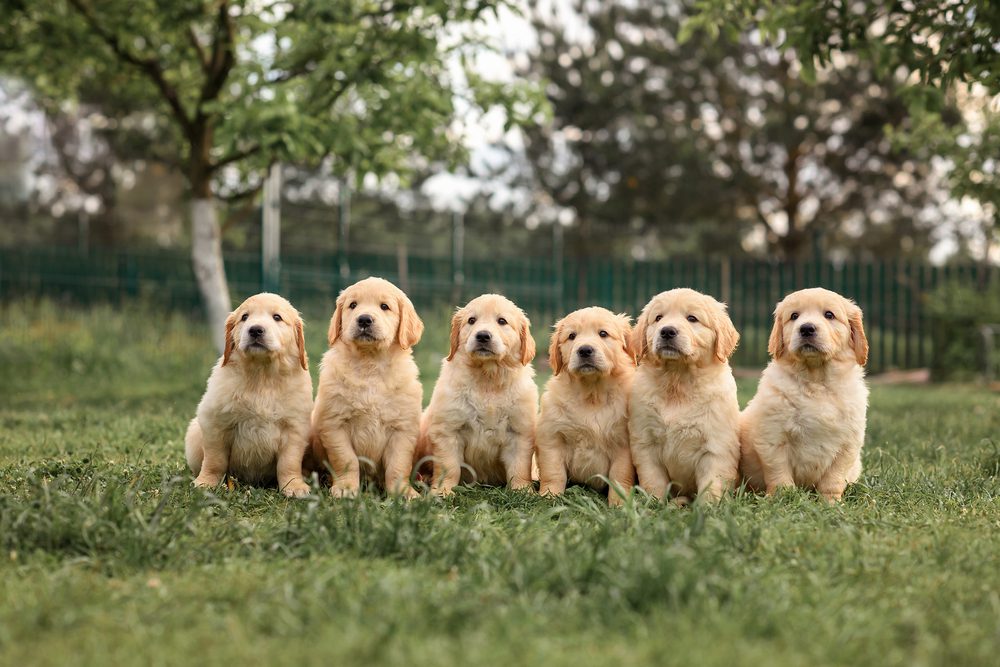
Introducing a new puppy to your current dog is often an exciting process, and many dogs will become fast friends and eas...
Read More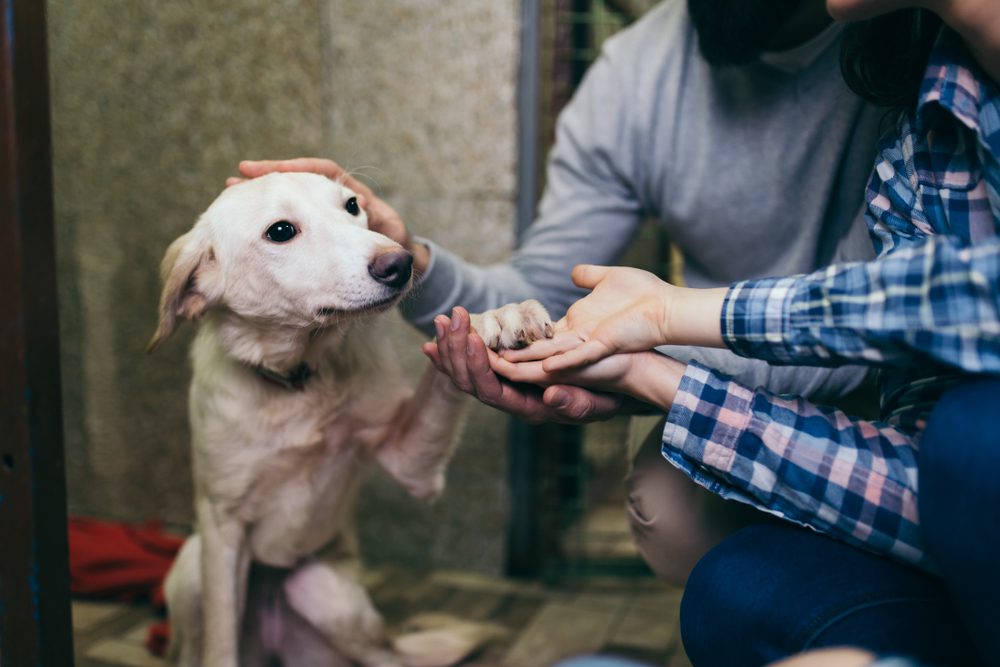
Rescue dogs can make great companions and can transform your home into something better. These dogs make great pets and ...
Read More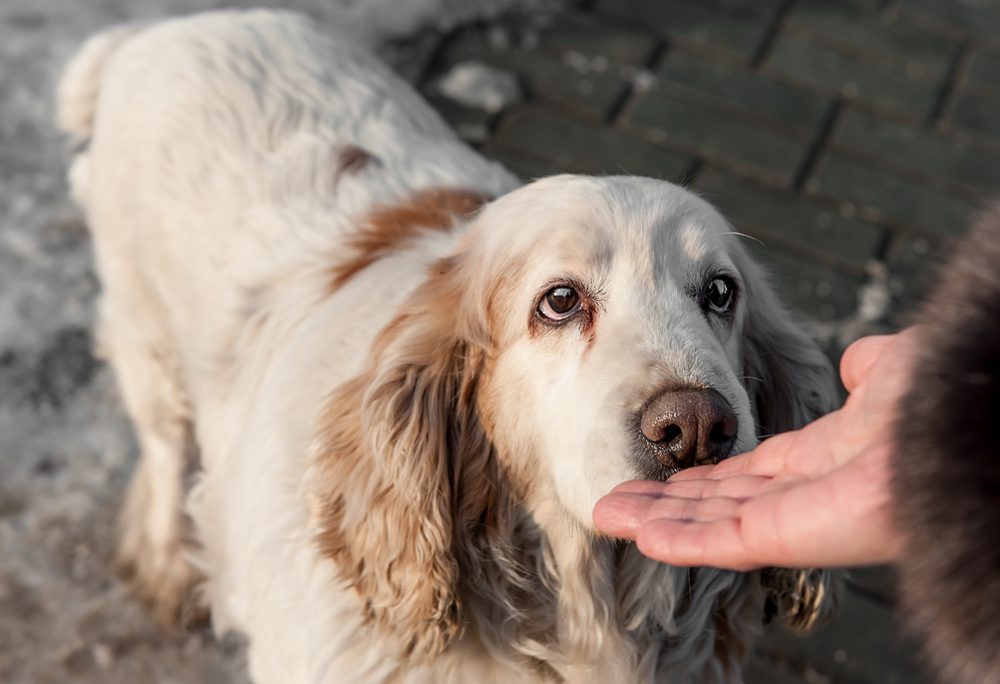
You should never rush to pet a dog. Even dog owners make the mistake of approaching unfamiliar dogs and petting them rig...
Read More
Puppy mill dogs are survivors who have endured extreme hardships in their lives. They have grown up in horrendous, unsan...
Read More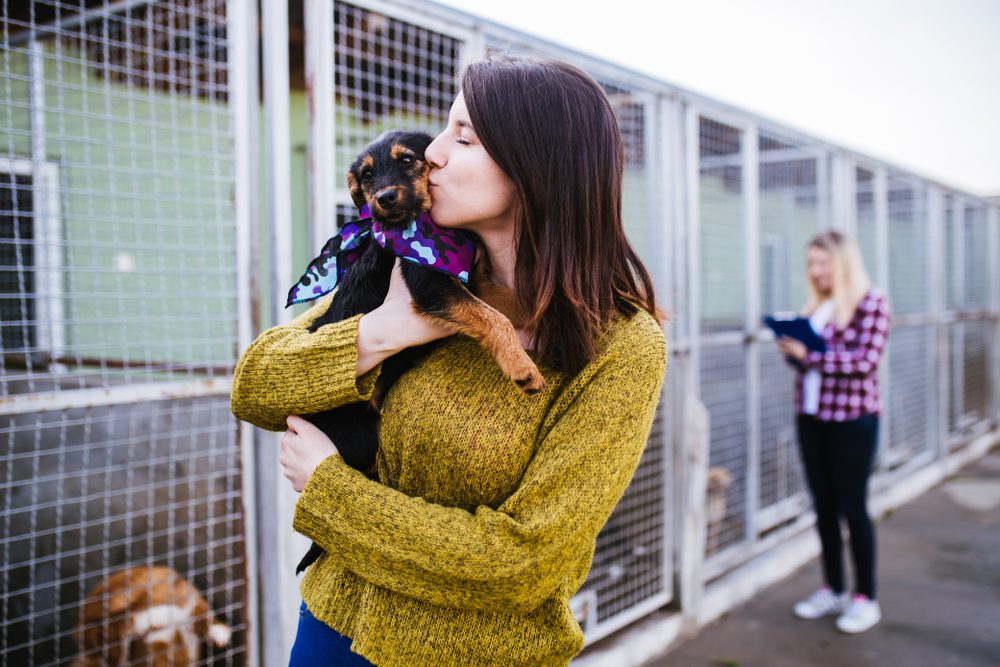
With their wagging tails and comforting presence, adopting a dog can add a unique touch to your life. It’s a heart...
Read More
Older dogs may have a few gray hairs around the edges, but that doesn’t mean they can’t make wonderful companions! T...
Read More