































































































































Introducing a new puppy to your current dog is often an exciting process, and many dogs will become fast friends and eas...
Read MoreAdopt Me

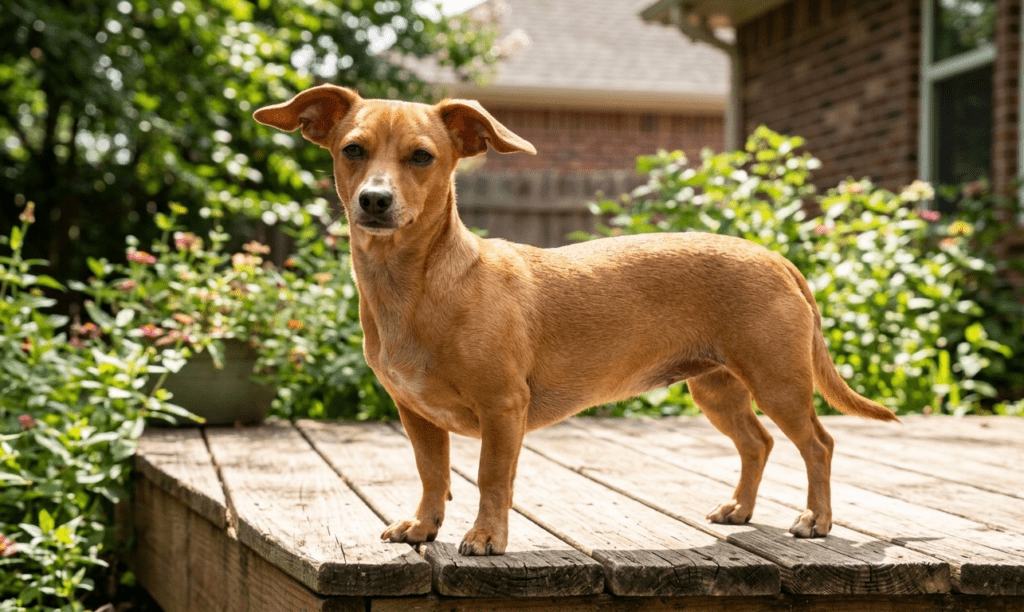
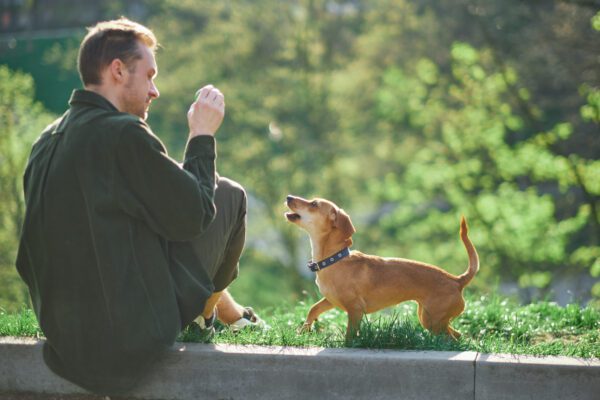
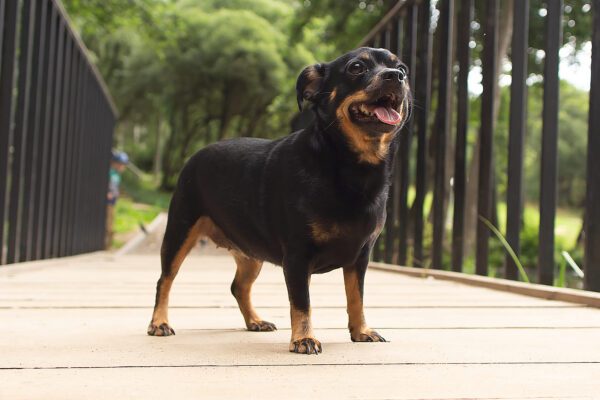
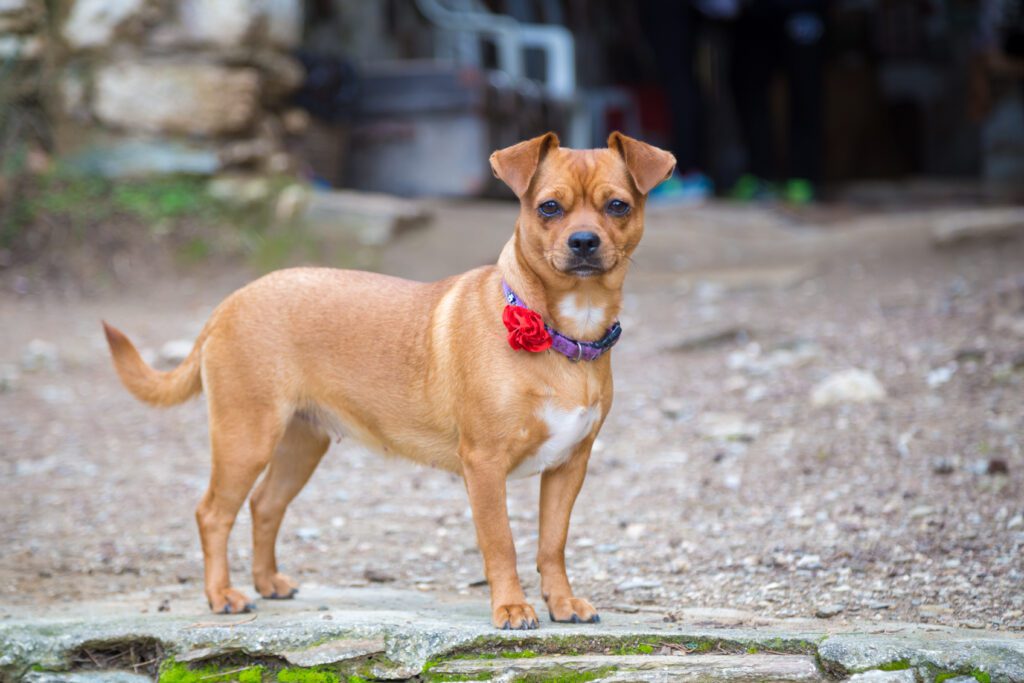
The Chiweenie blends Chihuahua spirit with Dachshund devotion, which creates a small companion that is lively, alert, and affectionate. Many Chiweenies bond closely with one person, yet they enjoy family time and short bursts of play. This mix often prefers lap time after a brisk walk, and the breed’s small size suits apartments and cozy homes.
Responsible adoption starts with careful research. A Chiweenie can be vocal, especially around new sights and sounds, and consistent training helps manage alert barking. The coat usually needs minimal grooming, yet shedding can be moderate. Back sensitivity can occur due to the Dachshund lineage, and gentle handling protects the spine. Adoption is preferable to buying because adoption saves a life, supports humane work, and often provides a fully vetted dog that is ready for a new start.
West Virginia offers mountains, valleys, and four true seasons. Humid summers require shade and water, and cold winters call for a warm sweater and short outings for small dogs. Hilly terrain can be fun for sniffy strolls, yet steep trails can tire short legs quickly. A Chiweenie adapts well to West Virginia lifestyles that include relaxed evenings, short daily walks, and safe indoor space when weather turns harsh.
You can skip searching rescues and shelters one by one by starting with adoption listings on Dog Academy. You can browse verified profiles in one place, and you can use Dog Academy’s educational guides and adoption checklists to prepare for every step. This approach saves time and helps you compare options with consistent details.
Adoptable Chiweenies appear at local animal shelters, regional rescues, foster-based groups, and breed-specific rescue groups that serve West Virginia and nearby states. Some organizations keep dogs in foster homes, which allows detailed behavioral notes that help you choose a good match. When a dog is not located nearby, transport is often arranged by rescues to move dogs between states or shelters, and transport is typically coordinated by volunteers or professional partners who schedule safe, planned routes.
The process usually begins with browsing listings and reading complete profiles. Look for weight, age, energy level, sociability with dogs or children, and any medical notes. When you find a good fit, you submit an application that includes personal information, references, proof of home ownership or landlord approval for renters, and a plan for daily care. Approval timelines vary by group, yet most decisions arrive within 3 to 14 days after your application is complete.
Next comes a meet-and-greet. You meet the dog at a shelter, an adoption event, or a foster home. Bring all household members and any resident dogs for introductions that happen in a calm space with guidance from an adoption counselor. Many groups complete a home check, either in person or by video, to confirm safe fencing, secure doors, and a living area that suits a small dog. The final steps include signing an adoption agreement, paying the fee, and arranging pick up or transport. Plan a quiet decompression period of 2 to 3 weeks so your Chiweenie can settle into routines and feel secure.
|
How Much Does It Cost to Adopt a Chiweenie in West Virginia?In West Virginia, most adopters pay $150 to $300 for a Chiweenie. Puppies and highly requested small mixes can reach $250 to $400, especially when extensive veterinary care or professional training is included. Fees often cover spaying or neutering, vaccinations, microchipping, and veterinary exams, which reduces your initial costs after adoption. Pricing reflects age, demand, training, and medical history. Seniors and dogs with ongoing medical needs may have lower fees to encourage adoption, while healthy puppies may cost more due to higher demand and preventive care. Some foster-based groups add modest costs for supplies or transport when a dog travels from another location, and these costs help cover safe travel and required health certificates. |
How Should I Train a Chiweenie?Chiweenies are intelligent and observant, which makes them quick to learn when training stays positive and consistent. Short, upbeat sessions work best. Reward calm behavior, quiet moments, and check-ins with treats and praise. Avoid harsh corrections, because this sensitive mix responds better to clear guidance and predictable routines. House training can take extra patience due to a small bladder and a tendency to guard favorite spots. Use a crate sized for comfort, take frequent outdoor breaks, and reward elimination outside every time. Teach polite leash skills with stop-and-go practice, and manage alert barking by reinforcing a quiet cue, providing daily mental enrichment, and meeting exercise needs. For step-by-step help tailored to small breeds, explore Dog Academy’s online training courses, which provide structured lessons you can follow at home. |
|
The ideal adopter enjoys daily walks, patient training, and cozy evenings. A Chiweenie thrives with gentle handling, predictable schedules, and a home that protects a small dog from cold winters and hot, humid afternoons. Families with respectful children, retirees who want companionship, and apartment dwellers who can commit to exercise often make excellent matches.
Set yourself up for success by gathering supplies, choosing a veterinarian, and planning a gradual routine before your new dog arrives. Take your time, ask thoughtful questions, and rely on trusted resources. When you feel ready, start with the curated listings on Dog Academy and adopt a Chiweenie in West Virginia with confidence and care.
Introducing a new puppy to your current dog is often an exciting process, and many dogs will become fast friends and eas...
Read More
Rescue dogs can make great companions and can transform your home into something better. These dogs make great pets and ...
Read More
You should never rush to pet a dog. Even dog owners make the mistake of approaching unfamiliar dogs and petting them rig...
Read More
Puppy mill dogs are survivors who have endured extreme hardships in their lives. They have grown up in horrendous, unsan...
Read More
With their wagging tails and comforting presence, adopting a dog can add a unique touch to your life. It’s a heart...
Read More
Older dogs may have a few gray hairs around the edges, but that doesn’t mean they can’t make wonderful companions! T...
Read More