


























































































































































































Introducing a new puppy to your current dog is often an exciting process, and many dogs will become fast friends and eas...
Read MoreAdopt Me
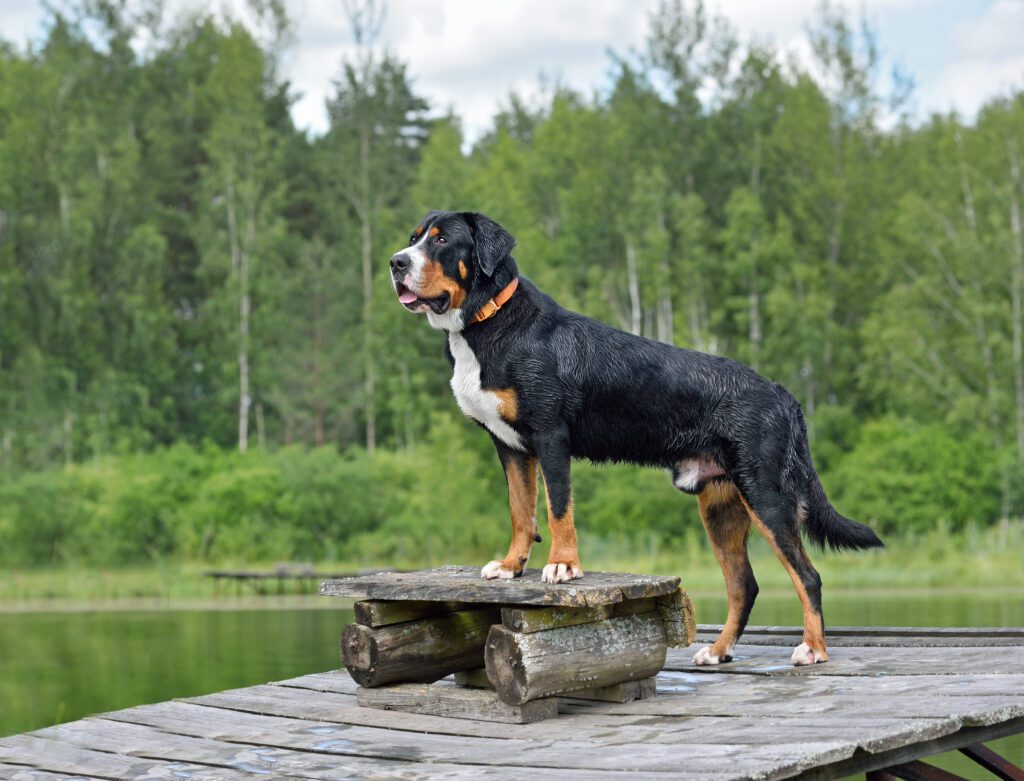


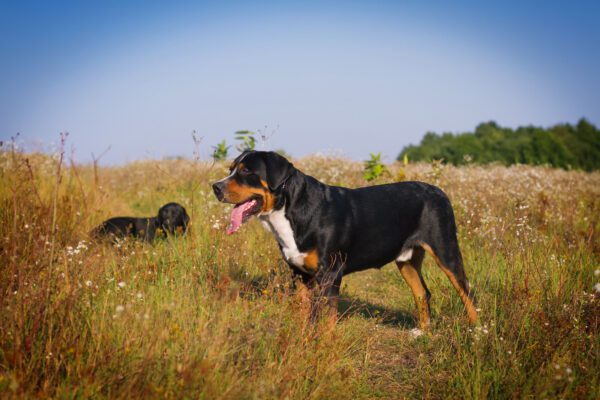
The Greater Swiss Mountain Dog is a steady, affectionate working breed known for confidence, loyalty, and a calm nature with family. This large mountain dog enjoys time with people, steady hikes in cool weather, and purposeful jobs like pulling a cart. Many families choose the breed for its gentle temperament and reliable watchdog presence.
Research matters before you adopt a Greater Swiss Mountain Dog in West Virginia. Understanding size, exercise needs, and grooming helps you match with a dog whose energy and temperament fit your home. Adoption is a thoughtful choice because it gives a dog a second chance, supports rescue work, and often provides dogs that already have basic vetting and behavior notes from fosters.
West Virginia offers cool winters and mountain trails that suit this double-coated breed. Humid summers in lower valleys can be challenging, so shade, water, and rest are essential. The state’s rugged geography rewards active owners who enjoy safe hiking, but heat management and tick prevention remain important. A fenced yard and space for a giant dog make daily life easier, while tight apartments and long staircases can be tough for large puppies with developing joints.
You can avoid searching shelters and rescues separately by browsing Dog Academy adoption listings. You can filter by breed and location to see dogs that match your needs. Dog Academy also provides educational guides and adoption checklists that help you prepare your home, review breed traits, and plan your first week with a new dog.
Start by checking local animal shelters, regional rescues, and breed-specific rescue groups. Read each dog’s profile closely to understand age, size, health notes, and temperament. Many groups post updates from fosters that describe house manners, leash skills, and how the dog behaves with children or other pets.
Most organizations use a simple application. You typically share details about your home, schedule, training plans, and veterinary history. Landlord approval is often required for renters. Groups may speak with your references and your veterinarian to confirm care history. After an initial review, you may schedule a meet-and-greet to see how everyone connects. Many teams arrange introductions with resident dogs in a neutral location to support a calm first meeting.
Home checks are common and can be in person or virtual video tours. The goal is to ensure safety, secure fencing, and a setup that suits a large breed. Approval timelines vary by group and by the dog’s needs. Many decisions take several days to a few weeks from application to pick-up once all steps are complete. Some rescues coordinate transport, which means volunteers or licensed carriers move the dog from one location to another after approval. Transport often includes health certificates and scheduled handoffs to ensure the dog travels safely.
|
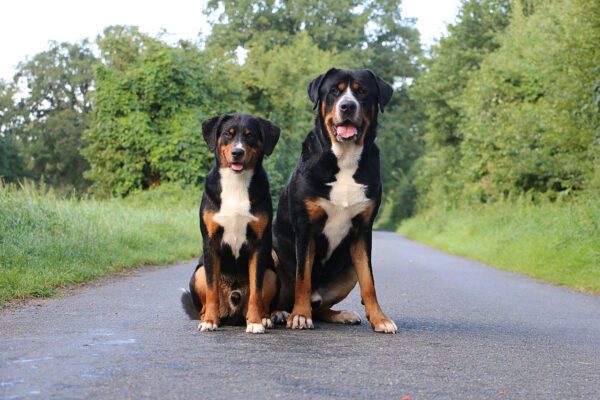
How Much Does It Cost to Adopt a Greater Swiss Mountain Dog in West Virginia?In West Virginia, most adopters should expect fees of $250 to $450 for an adult Greater Swiss Mountain Dog. Puppies can cost more due to higher demand and extra veterinary care, often ranging from $400 to $600. Costs vary based on age, training, medical care, and how rare the breed is in the region. Longer stays, specialized treatment, or professional training can increase fees, while seniors or dogs with ongoing medical needs can cost less. Adoption fees usually include spaying or neutering, vaccinations, microchipping, and veterinary exams. Some dogs also come with heartworm testing, preventives, or basic training. Ask which services your fee covers so you can budget for food, a crate, a harness, grooming tools, and follow-up veterinary care. |
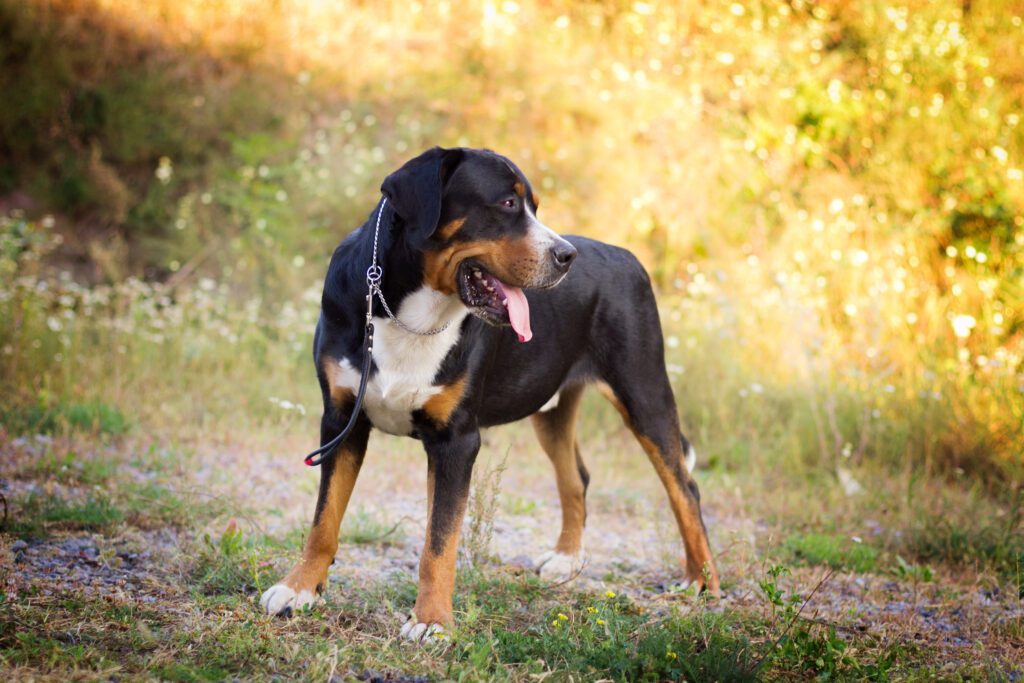
How Should I Train a Greater Swiss Mountain Dog?The Greater Swiss Mountain Dog is intelligent and devoted, yet often independent. Many dogs learn quickly when training is clear and consistent. Short sessions, high-value rewards, and calm repetition work best. Positive reinforcement builds trust and motivation, which helps a large dog practice polite behavior even when exciting things happen. Common challenges include pulling on leash, slow maturity, and a strong desire to guard or announce visitors. Focus on early socialization, loose-leash walking, recall, and a solid settle cue. Teach polite greetings and impulse control so a big dog can move safely through doorways and around guests. Crate training supports rest and helps with house manners. Provide mental work through scent games or light carting in cool weather once your veterinarian confirms joint readiness. You can follow step-by-step lessons with Dog Academy’s online training courses to build reliable skills from the first week at home. |
|
The ideal adopter enjoys time outdoors, provides space for a giant companion, and commits to kind, consistent training. A secure yard, a realistic exercise plan, and a budget for quality food and veterinary care help set you and your dog up for success.
Take time to research, ask clear questions, and prepare your home before you adopt a Greater Swiss Mountain Dog in West Virginia. The right match brings steady companionship, trail-ready stamina in cool weather, and a loyal partner for years to come.

Introducing a new puppy to your current dog is often an exciting process, and many dogs will become fast friends and eas...
Read More
Rescue dogs can make great companions and can transform your home into something better. These dogs make great pets and ...
Read More
You should never rush to pet a dog. Even dog owners make the mistake of approaching unfamiliar dogs and petting them rig...
Read More
Puppy mill dogs are survivors who have endured extreme hardships in their lives. They have grown up in horrendous, unsan...
Read More
With their wagging tails and comforting presence, adopting a dog can add a unique touch to your life. It’s a heart...
Read More
Older dogs may have a few gray hairs around the edges, but that doesn’t mean they can’t make wonderful companions! T...
Read More