





















































































































































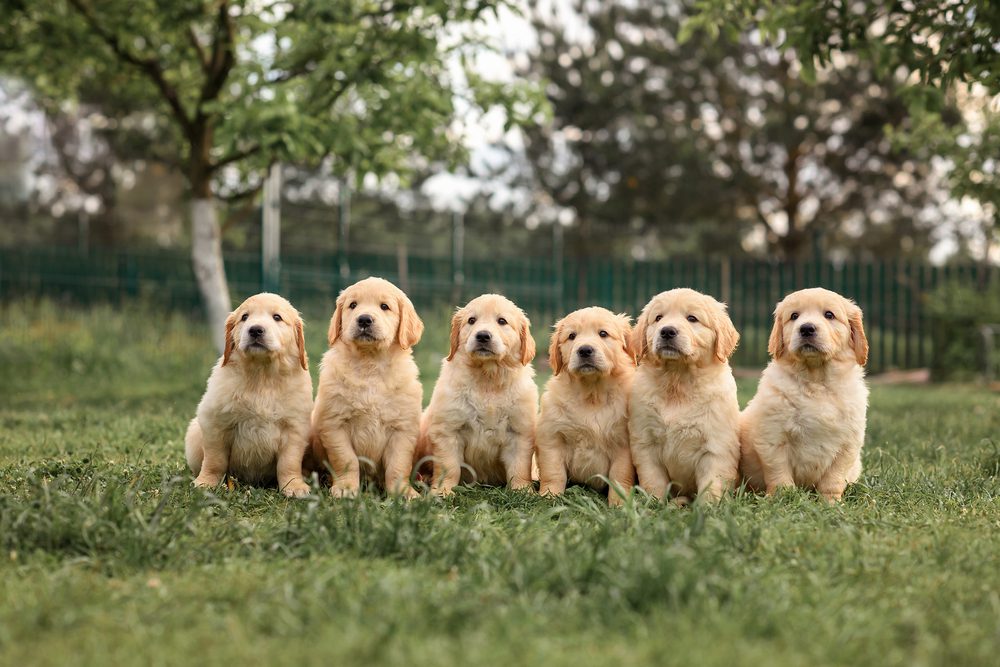
Introducing a new puppy to your current dog is often an exciting process, and many dogs will become fast friends and eas...
Read MoreAdopt Me

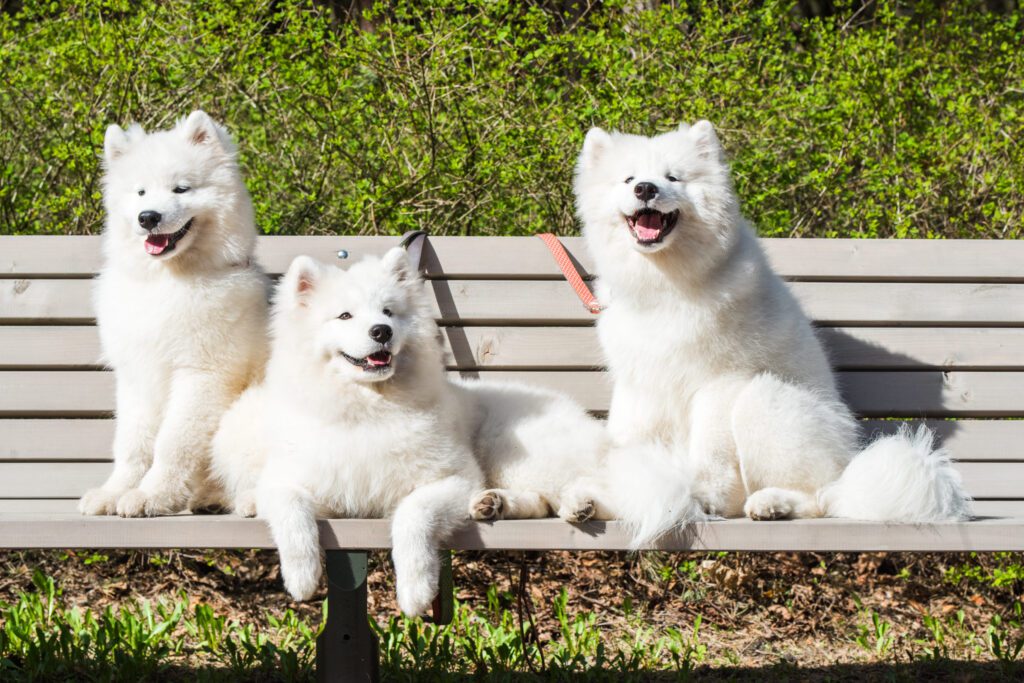
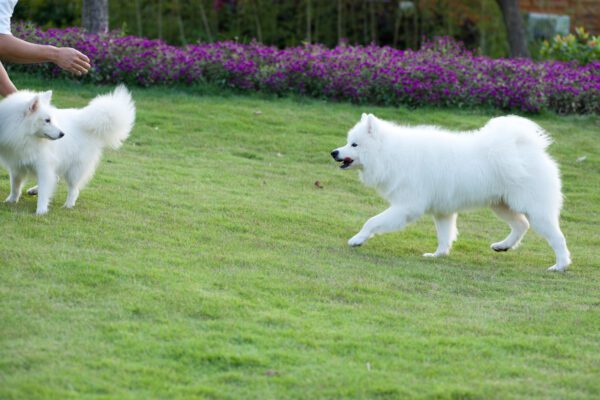
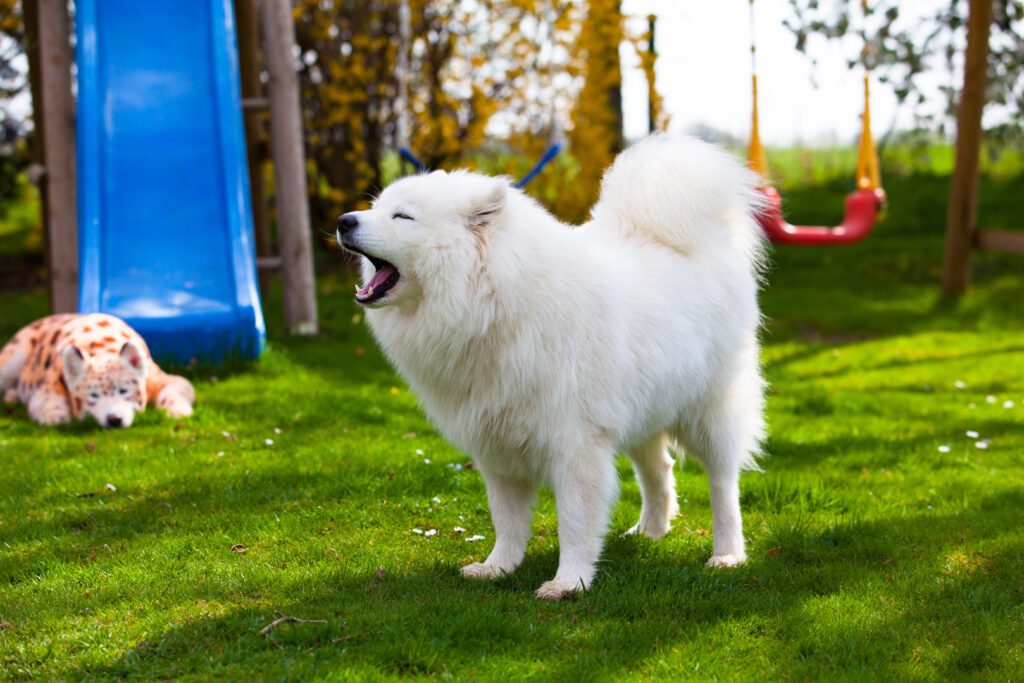
The Samoyed is a cheerful, people-focused companion known for a trademark smile, a cloud-soft coat, and steady energy. This breed is social, bright, and playful, which makes daily engagement essential. Careful research helps every adopter understand grooming needs, exercise demands, and the importance of ongoing training. Adoption gives a deserving dog a new start while supporting ethical placement practices and responsible care.
West Virginia offers crisp winters and cool mountain air that suit a Samoyed’s dense double coat. Hot and humid summers in valleys require thoughtful heat management that includes shade, air conditioning, and exercise during cooler hours. The state’s rugged trails and rolling hills create great outlets for hiking and training. City and small-town living can also work when the dog gets daily walks, mental enrichment, and time with family.
You can avoid searching rescues and shelters one by one by starting with centralized adoption listings. Dog Academy brings adoptable dogs together in one place and offers clear guides and helpful adoption checklists. You can also look through local animal shelters, regional rescues, and breed-specific rescue groups that serve West Virginia and nearby states. Reading each profile closely helps you understand temperament, health history, and care needs.
The process usually starts with browsing listings and submitting an application for a good match. Applications often ask for basic household details, landlord approval when you rent, and references who can confirm your ability to care for a dog. Many groups ask for proof of current pet vaccinations to confirm responsible ownership. Screening aims to match the dog’s energy, grooming needs, and social style with the adopter’s lifestyle.
After initial approval, you can expect a meet-and-greet to assess chemistry. Introductions with resident dogs are often required to confirm compatibility. A home check may be virtual or in person to confirm safe fencing, secure doors and gates, and reasonable space. Timelines vary by volunteer availability and demand, but most adoptions in the region move from application to approval in about 1 to 3 weeks.
If the best match lives outside your immediate area, transport may be available. Transport is often arranged by rescues to move dogs between locations when a suitable adopter is in another region. The service can include coordinated volunteer drivers, health certificates for interstate travel when required, and scheduled pickup points. Adopters may pay a modest transport fee to cover fuel and logistics, and the rescue will clarify costs before you commit.
|
How Much Does It Cost to Adopt a Samoyed in West Virginia?Most adopters in West Virginia pay $300 to $500 to adopt a Samoyed from a shelter or rescue. Puppies and young adolescents often sit at the higher end due to demand and preventive care. Fees reflect local veterinary costs, which are moderate in West Virginia, and the breed’s popularity. Health status, age, and any completed training also influence final pricing. Adoption fees typically include spaying or neutering, vaccinations, microchipping, and veterinary exams. Many groups also provide heartworm testing, deworming, and an initial flea and tick preventative. Some organizations add a separate transport fee when travel is required, and the fee amount depends on distance and logistics. Asking for an itemized breakdown helps you understand value and plan your budget with confidence. |
How Should I Train a Samoyed?The Samoyed is intelligent, social, and eager to please, which makes training rewarding when you keep sessions upbeat and consistent. This breed can be independent, which means clear guidance and meaningful rewards work best. Positive reinforcement with food, toys, and praise builds attention while preventing frustration. Many Samoyeds enjoy vocalizing, so you can channel energy into structured jobs like loose-leash walking, recall, and polite greetings. Early socialization supports friendly confidence around people, dogs, and new places. Daily mental enrichment with puzzle feeders and scent games helps prevent boredom and unwanted digging or chewing. Consistent routines reinforce house training and crate training. You can build reliable manners with short, focused sessions that end on success. For step-by-step support, explore Dog Academy’s online training courses to learn foundation skills, prepare for life with a high-shedding breed, and keep progress on track. |
|
The ideal Samoyed adopter enjoys daily activity, consistent training, and a home routine that includes frequent companionship. A Samoyed thrives with families who can manage shedding, commit to regular brushing, and provide smart heat management during warm months. A securely fenced yard helps, though dedicated walks and structured play can meet exercise needs in any setting.
Preparation leads to a smooth transition. Set up grooming tools, a crate, a high-quality brush, water access, and safe chew options before arrival. Take time to research, ask detailed questions, and move at a comfortable pace. When you adopt a Samoyed in West Virginia with informed care and patient training, you set the stage for a joyful partnership that lasts for years.
Introducing a new puppy to your current dog is often an exciting process, and many dogs will become fast friends and eas...
Read More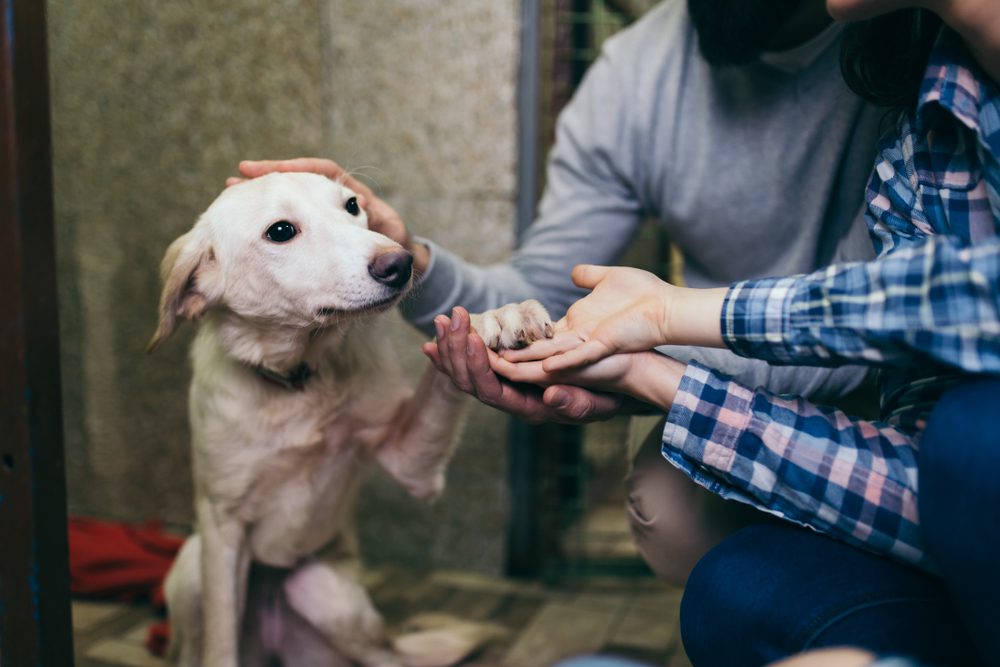
Rescue dogs can make great companions and can transform your home into something better. These dogs make great pets and ...
Read More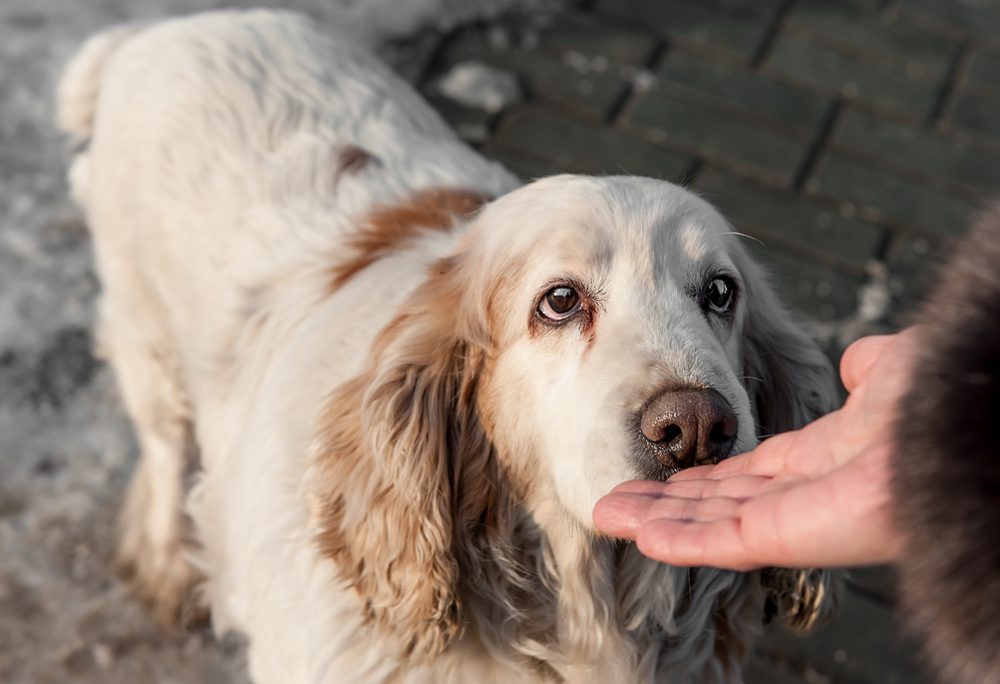
You should never rush to pet a dog. Even dog owners make the mistake of approaching unfamiliar dogs and petting them rig...
Read More
Puppy mill dogs are survivors who have endured extreme hardships in their lives. They have grown up in horrendous, unsan...
Read More
With their wagging tails and comforting presence, adopting a dog can add a unique touch to your life. It’s a heart...
Read More
Older dogs may have a few gray hairs around the edges, but that doesn’t mean they can’t make wonderful companions! T...
Read More