


























































































































































































Introducing a new puppy to your current dog is often an exciting process, and many dogs will become fast friends and eas...
Read MoreAdopt Me

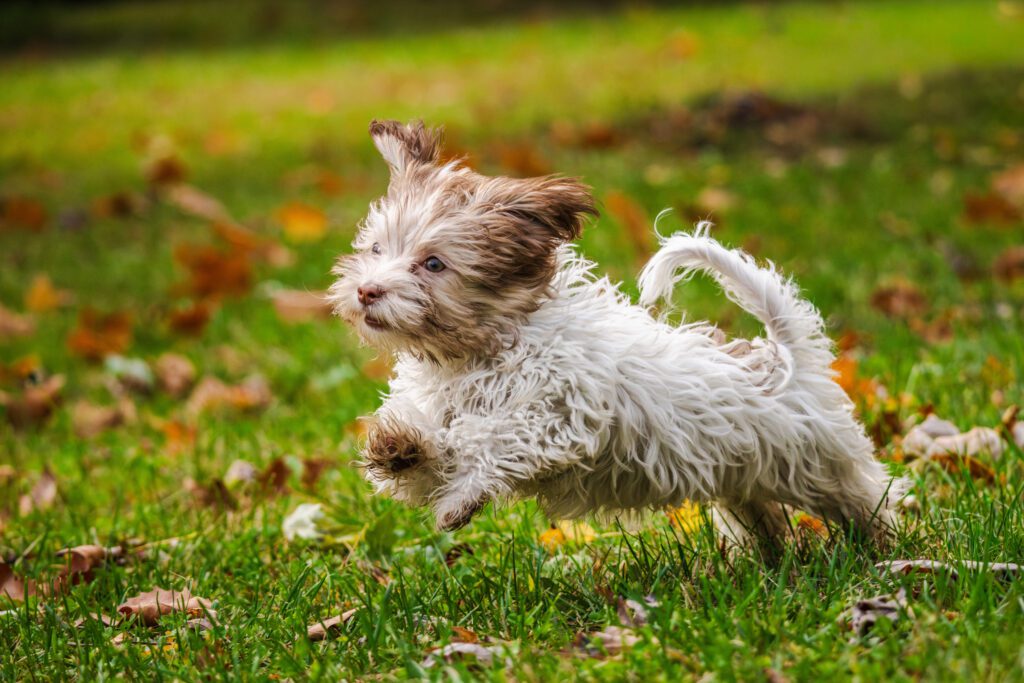
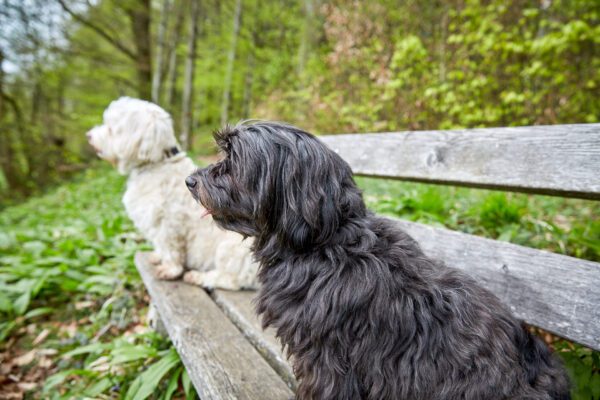
The Havanese is a cheerful, people-focused companion that loves affection and learns quickly. This small breed fits well with families, retirees, and first-time dog owners who want a friendly housemate that enjoys short walks and indoor play. The silky coat and bright expression make the Havanese especially appealing, yet the breed still needs structure, daily interaction, and thoughtful grooming.
Research is essential before you adopt a Havanese in West Virginia. Adoption gives a dog a second chance and it supports responsible animal welfare. It also allows you to meet adult dogs whose size and temperament are already known. Careful research helps you match the breed’s needs with your home, schedule, and budget.
West Virginia’s four-season climate and hilly geography suit a small, adaptable companion that prefers to live indoors. The Havanese enjoys neighborhood walks on mild days and indoor enrichment when winter temperatures drop or summer humidity rises. The small size fits apartment living in towns and small cities, while the friendly temperament suits quiet mountain communities where neighbors often stop to chat.
You can avoid searching shelters and rescues one by one by using Dog Academy to browse adoption listings for Havanese in West Virginia and nearby regions. The listings bring options into one place, and you can filter for age, size, and distance. Dog Academy also provides educational guides and adoption checklists that help you prepare with confidence.
Adoptable Havanese and Havanese mixes may be found through local animal shelters, regional rescues, and breed-specific rescue groups. Start by browsing current profiles, then read each description closely to understand health history, temperament, energy level, and grooming needs. A good match respects the breed’s social nature and moderate exercise needs, and it also considers your daily routine and grooming plans.
The application usually asks for personal details, household information, and veterinary or personal references. Many groups verify landlord approval for renters and confirm that all household members agree to the adoption. After application review, you may be invited to a meet-and-greet at the facility or a foster home, which allows you to assess compatibility in a calm setting.
Home checks help ensure safety for a small dog. Some groups use virtual video tours and some visit in person. The check verifies secure doors, safe stairs, and areas where the dog can rest without stress. Timelines vary by organization, yet approval commonly takes 3 to 14 days after your application is complete and references are confirmed.
If your match is outside your immediate area, ask about transport. Transport is often arranged by rescues to move dogs between locations using volunteer drivers or professional services. Groups explain routes, schedules, and fees in advance so you can plan pick-up with minimal stress.

|
How Much Does It Cost to Adopt a Havanese in West Virginia?A realistic adoption fee to adopt a Havanese in West Virginia typically ranges from $250 to $500. Fees tend to be higher for puppies and healthy purebred adults that have strong demand, and they may be lower for seniors or dogs that need ongoing medical support. Costs reflect the care provided before adoption, the breed’s popularity, and the resources required to place small companion dogs safely. Most fees cover spaying or neutering, vaccinations, microchipping, and veterinary exams. Costs can also reflect recent dental cleanings, grooming, or training that helps a dog settle quickly in a new home. When you compare fees, ask for an itemized list of services and medical records so you understand the value you receive. |
How Should I Train a Havanese?The Havanese is intelligent, eager to please, and very people oriented. These traits make training enjoyable when you use clear cues and consistent rewards. Short sessions, high-value treats, and enthusiastic praise keep this sensitive breed engaged and confident. Common challenges include house training, vocalizing when excited, and mild separation stress. A predictable schedule, frequent outdoor breaks, and calm greetings help with manners and housetraining. Early socialization builds resilience around visitors, children, and other pets. Gentle leash work is important for mountain towns and wooded areas where wildlife scents can distract a curious dog. Positive reinforcement is essential because the Havanese responds best to kindness and structure. You can follow step-by-step lessons through Dog Academy’s online training courses, which teach core skills like settle on a mat, loose-leash walking, and reliable recall. Consistency turns these lessons into daily habits that support a happy, well-mannered companion. |

|
The ideal adopter enjoys daily companionship, plans regular grooming, and has time for short walks and indoor play. This breed thrives in homes that provide attention and predictable routines. Families, seniors, and remote workers often find the Havanese fits easily into everyday life.
Prepare by setting a realistic budget, choosing a veterinarian, and gathering essentials like a crate, a harness, and a slicker brush for the long coat. Take your time, ask thoughtful questions, and trust the process. With patience and preparation, you will adopt a Havanese in West Virginia that matches your lifestyle and brings warmth to every day.

Introducing a new puppy to your current dog is often an exciting process, and many dogs will become fast friends and eas...
Read More
Rescue dogs can make great companions and can transform your home into something better. These dogs make great pets and ...
Read More
You should never rush to pet a dog. Even dog owners make the mistake of approaching unfamiliar dogs and petting them rig...
Read More
Puppy mill dogs are survivors who have endured extreme hardships in their lives. They have grown up in horrendous, unsan...
Read More
With their wagging tails and comforting presence, adopting a dog can add a unique touch to your life. It’s a heart...
Read More
Older dogs may have a few gray hairs around the edges, but that doesn’t mean they can’t make wonderful companions! T...
Read More