


























































































































































































Introducing a new puppy to your current dog is often an exciting process, and many dogs will become fast friends and eas...
Read MoreAdopt Me

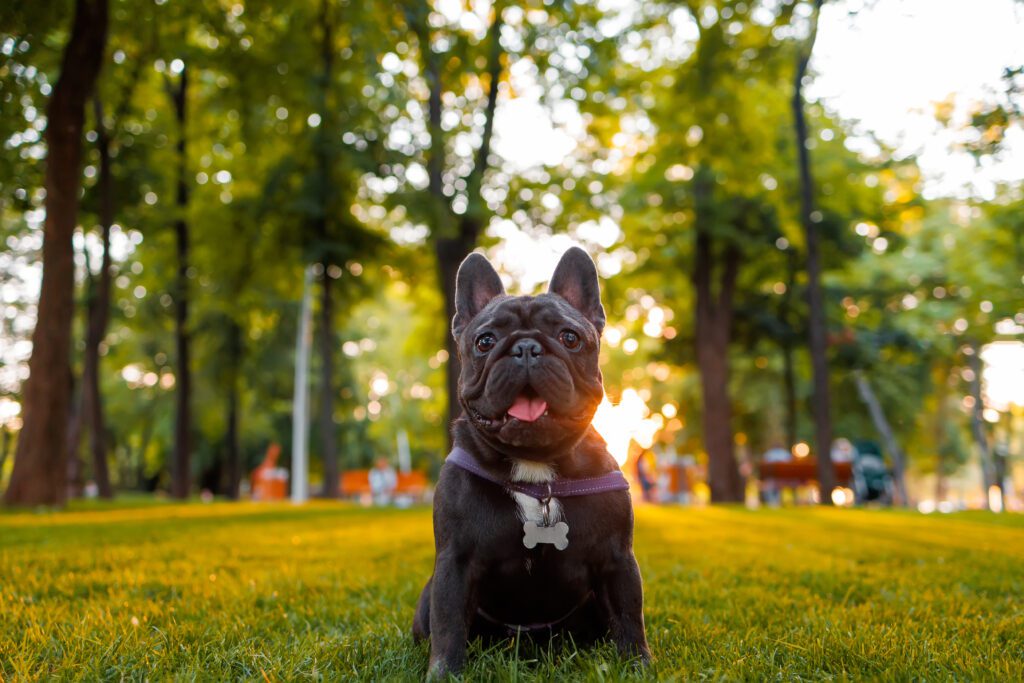


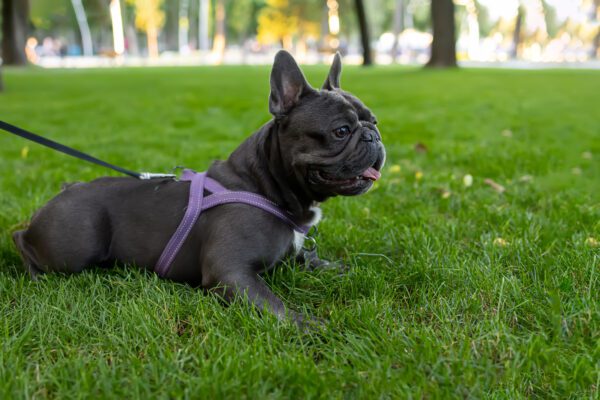
A Blue French Bulldog offers a charming mix of affection, playfulness, and calm energy. The blue coat is a color variation that does not change temperament. Most Blue French Bulldogs enjoy short walks, relaxed indoor time, and lots of human company. They fit well with families, singles, and seniors who want a loyal companion that thrives on routine and close contact.
Research before you adopt is essential. French Bulldogs are a brachycephalic breed, which means they can struggle in high heat and during strenuous activity. They do best with gentle exercise, structured training, and consistent veterinary care. Adoption is a kind choice because it opens a spot for another dog in need. It also often includes important medical care at a lower cost than buying from a seller.
West Virginia offers a good lifestyle for this breed when you plan well. Summers can be hot and humid, so indoor climate control and shaded walks are important. Winters can be cold in the mountains, so a warm coat and limited time outdoors help. The state’s hilly terrain invites scenic walks, but French Bulldogs do better on level paths and short outings. They adapt well to apartments in cities and to quiet homes in rural areas, as long as daily care stays consistent.
You can avoid searching for rescues and shelters separately by using the listings on Dog Academy. You can browse by breed, age, and location to see Blue French Bulldogs available in West Virginia and nearby states. You also gain access to educational guides and adoption checklists that help you prepare your home and your schedule before you apply.
Adoptable Blue French Bulldogs appear through local animal shelters, regional rescues, and breed-specific rescue groups. Start by browsing listings and reading each profile. Profiles usually share age, health notes, temperament, and lifestyle needs. When a dog seems like a match, complete the application. Applications often ask about your household, your work schedule, your experience with dogs, landlord approval if you rent, and current pets. Many groups request a veterinarian reference to confirm that you can provide routine care.
After your application is screened, the next step is a meet and greet. A meet and greet lets you see how the dog responds to you and to any resident pets. Meetings can be in a controlled area at a shelter, a foster home, or a neutral outdoor space. Bring questions about daily routine, energy level, and any medical needs. Ask what food the dog eats and what training the dog has already learned.
Some groups complete a home check before approval. A home check is a quick look at your living space to confirm safety, secure fencing if you have a yard, and a calm place for the dog to rest. Approval timelines vary, but most adopters in West Virginia can expect 1 to 3 weeks from application to take-home day. If the perfect dog is outside your immediate area, rescues sometimes arrange transport to move dogs between states. Transport is usually handled by volunteers or professional drivers who bring the dog to a safe pickup location.

|
How Much Does It Cost to Adopt a Blue French Bulldog in West Virginia?Most adopters in West Virginia can expect to pay $350 to $600 to adopt a Blue French Bulldog. Fees sometimes reach $700 when the dog has received extensive medical care or specialized training. Costs vary with age, training, medical care, and demand for the breed. Fees typically include spaying or neutering, vaccinations, microchipping, and veterinary exams. Some groups also include a dental cleaning, medications for short-term conditions, or post-adoption behavior support, which can increase the fee. Younger dogs and highly sought-after colors tend to cost more, while seniors and dogs with ongoing medical needs may cost a bit less. |
How Should I Train a Blue French Bulldog?Blue French Bulldogs are bright and eager to please, but they can be stubborn when training feels boring. Keep sessions short and upbeat. Aim for 5 to 10 minutes with high-value treats and praise. Focus on name recognition, sit, down, stay, and a reliable recall. House training and crate training should start on day 1 with a consistent schedule. Leash skills are important because this breed prefers steady walks at an easy pace. Avoid long or strenuous workouts, and watch for signs of heat stress during warm West Virginia summers. Positive reinforcement builds confidence and keeps learning fun. If you want step-by-step support, explore Dog Academy’s online training courses. You can follow guided lessons for puppy basics, loose-leash walking, polite greetings, and relaxation routines that reduce reactivity and frustration. The courses use clear progressions that fit busy schedules. You can train at home with simple exercises that set your new dog up for success. |

|
The ideal adopter enjoys quiet time at home, short daily walks, and plenty of cuddles. A good match provides indoor climate control, a safe resting area, and a predictable routine. Families, retirees, and first-time owners can all succeed with this breed when they commit to patient training and routine veterinary care.
Take your time, ask questions, and prepare your space before you bring a dog home. Browse current listings on Dog Academy, make a thoughtful plan for the first 2 weeks, and build habits that keep your new companion comfortable and secure. With care and patience, you can adopt a Blue French Bulldog in West Virginia and enjoy a loyal friend for years to come.

Introducing a new puppy to your current dog is often an exciting process, and many dogs will become fast friends and eas...
Read More
Rescue dogs can make great companions and can transform your home into something better. These dogs make great pets and ...
Read More
You should never rush to pet a dog. Even dog owners make the mistake of approaching unfamiliar dogs and petting them rig...
Read More
Puppy mill dogs are survivors who have endured extreme hardships in their lives. They have grown up in horrendous, unsan...
Read More
With their wagging tails and comforting presence, adopting a dog can add a unique touch to your life. It’s a heart...
Read More
Older dogs may have a few gray hairs around the edges, but that doesn’t mean they can’t make wonderful companions! T...
Read More