






















































































































































































Introducing a new puppy to your current dog is often an exciting process, and many dogs will become fast friends and eas...
Read More
How to Introduce a New Puppy to Your Dog
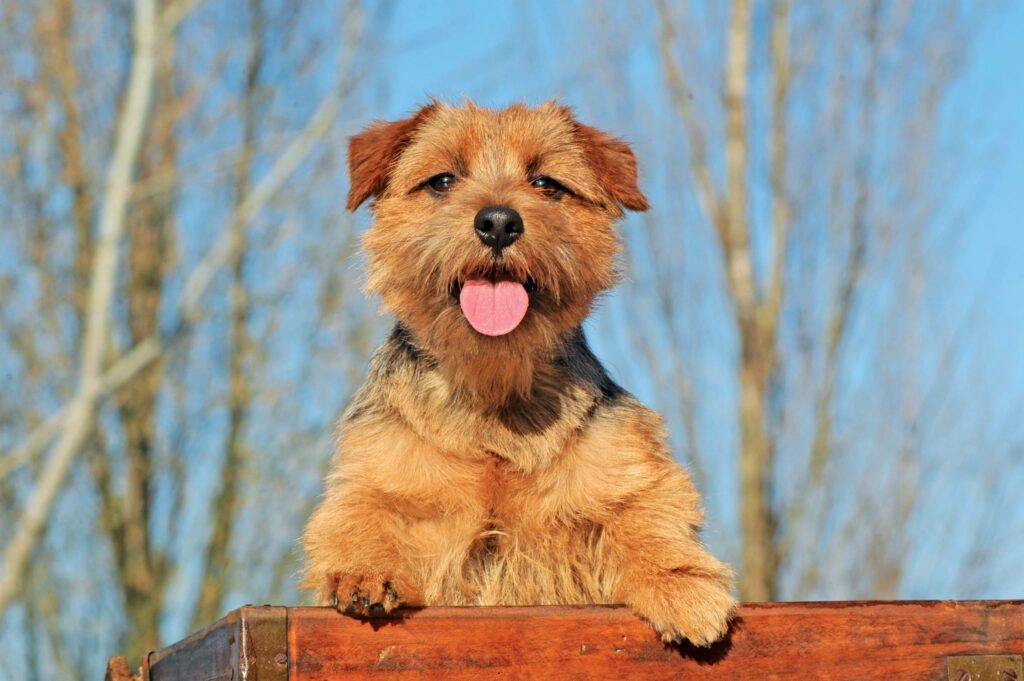

The Norfolk Terrier is a small, sturdy, and cheerful companion with a big heart. This breed is affectionate with family, alert to its surroundings, and eager for daily adventure. A Norfolk Terrier suits adopters who want a compact dog that can keep up on walks and then curl up on the couch. Proper research matters because terriers are lively, curious, and determined. An informed decision helps you match energy levels, grooming needs, and training goals before you bring a dog home.
Adoption gives a dog a second chance and often provides useful background on temperament and health. Adopting also reduces demand for irresponsible breeding and usually includes essential veterinary care at a lower cost than buying. West Virginia offers a strong fit for many Norfolk Terriers. The state has rolling hills, forested trails, and quieter neighborhoods that are great for daily walks and sniffing games. Apartment life can also work when you commit to regular exercise and mental enrichment.
West Virginia has four distinct seasons. Summers are warm and humid, and winters are cold, especially at higher elevations. The Norfolk Terrier’s weather-resistant coat helps in light rain and snow, yet the small body needs a warm jacket during winter walks and cool rest spots in summer. Rural properties often suit this curious breed, although a secure fence is important because many terriers love to chase wildlife. City or town living works well with consistent training and a steady routine.
You can avoid searching rescues and shelters one by one by using Dog Academy. The adoption listings make it easy to browse available Norfolk Terriers across West Virginia and nearby regions. You can filter by age, size, and location, then save favorites as you plan. Dog Academy also offers helpful educational guides and an adoption checklist that keeps your preparation clear and organized.
Available dogs appear through local animal shelters, regional rescues, breed-specific rescue groups, and foster-based programs. Some dogs are owner surrenders and arrive with helpful history. Others are transferred in from overburdened areas to improve their chances. Transport is often arranged by rescues to move dogs between locations, and travel is typically scheduled in safe legs with volunteers or professional carriers to reduce stress and ensure monitoring during the trip.
The process usually starts with browsing listings, reading bios, and submitting an application that covers your household, schedule, and veterinary plans. Many groups follow with a phone interview to discuss fit and answer questions. A meet-and-greet helps you confirm temperament, including how the dog handles handling, new people, and new spaces. A home check verifies safety features such as secure fencing and removal of hazards. Approval can take 1 to 3 weeks depending on application volume, your readiness, and the dog’s needs. Final steps include signing an adoption contract, paying the fee, receiving medical records, and arranging pickup or transport.
|
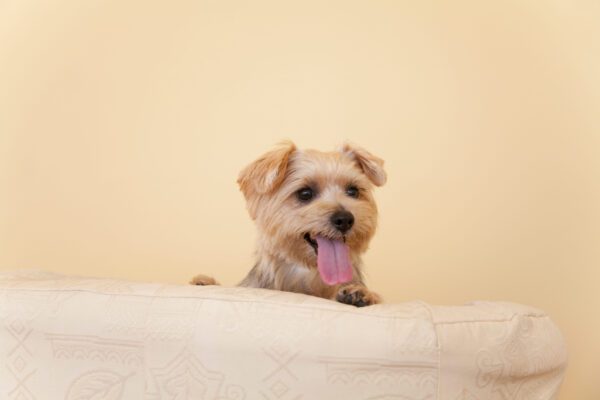
How Much Does It Cost to Adopt a Norfolk Terrier in West Virginia?Most adopters pay $200 to $400 to adopt a Norfolk Terrier in West Virginia. Fees tend to fall near the middle of that range for healthy adults. Puppies or dogs with recent training and extra veterinary care can sit closer to the top. Local cost of living, the dog’s age, and overall demand also influence pricing in the state. Adoption fees typically include spaying or neutering, vaccinations, microchipping, and veterinary exams. Many groups also provide a heartworm test, parasite screening, and a starter supply of preventatives. A dental cleaning or treatment for medical issues can raise costs. When a rescue invests in behavior support or extended foster care, the fee may reflect that added work. |
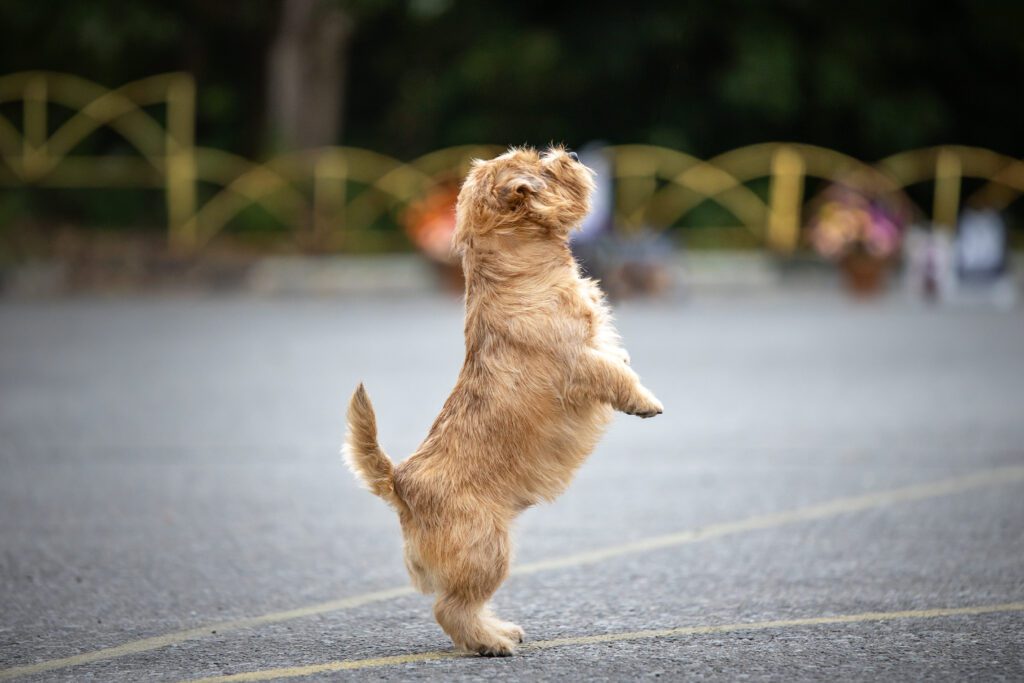
How Should I Train a Norfolk Terrier?The Norfolk Terrier is intelligent and eager, yet it can be independent in classic terrier fashion. Short, upbeat sessions work best. Use high-value rewards, clear cues, and consistent boundaries. Reward calm behavior and impulse control at doors and during greetings. Teach a reliable sit, down, stay, and place so your dog can relax during busy moments at home. Early socialization builds confidence with people, dogs, and new environments. Leash training is essential because many terriers love to chase. Practice loose-leash walking, recall, and leave it in low-distraction settings before you add challenges. Redirect barking with enrichment, scent games, and rest breaks, then reward quiet moments. If you want structured help, try Dog Academy’s online training courses for step-by-step lessons on obedience, loose-leash skills, recall, crate training, and polite greetings. |
|
The ideal adopter enjoys daily walks, consistent training, and playful time at home. A Norfolk Terrier thrives with clear routines, gentle guidance, and safe outlets for natural terrier instincts. Prepare your home, gather supplies, and take your time as you evaluate each dog’s needs and temperament. With careful research and patient training, you can adopt a Norfolk Terrier in West Virginia and welcome a spirited companion who fits your lifestyle.
Introducing a new puppy to your current dog is often an exciting process, and many dogs will become fast friends and eas...
Read More
Rescue dogs can make great companions and can transform your home into something better. These dogs make great pets and ...
Read More
You should never rush to pet a dog. Even dog owners make the mistake of approaching unfamiliar dogs and petting them rig...
Read More
Puppy mill dogs are survivors who have endured extreme hardships in their lives. They have grown up in horrendous, unsan...
Read More
With their wagging tails and comforting presence, adopting a dog can add a unique touch to your life. It’s a heart...
Read More
Older dogs may have a few gray hairs around the edges, but that doesn’t mean they can’t make wonderful companions! T...
Read More