

























































































































































































Introducing a new puppy to your current dog is often an exciting process, and many dogs will become fast friends and eas...
Read MoreAdopt Me


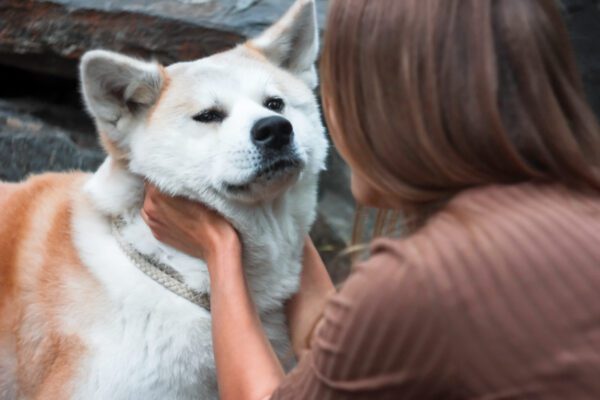
Akitas are dignified, loyal, and deeply devoted to their families. This powerful spitz breed is calm in the home, watchful with strangers, and affectionate with trusted people. The thick double coat sheds seasonally, the frame is sturdy, and the mind is sharp yet independent. Thoughtful research matters before adoption because an Akita’s size, strength, and protective nature require commitment and skillful handling.
Choosing adoption gives a deserving dog a second chance and supports animal welfare in your community. West Virginia offers a strong fit for many Akitas because the breed’s heavy coat tolerates cold winters and snowy mountain conditions. The state’s humid summers call for shade, fresh water, and limited midday exercise to prevent overheating. Rural properties and quiet neighborhoods often suit the breed, while apartment living can work with consistent training, daily structured walks, and reliable enrichment.
You can skip searching shelters and rescues one by one by using Dog Academy to browse adoption listings in one place. Dog Academy also provides educational guides and adoption checklists so you can prepare with confidence. You can also look for available dogs through local animal shelters, regional rescues, and breed-specific rescue groups that serve West Virginia and nearby areas.
Start by browsing listings and reading full profiles. Focus on age, size, temperament notes, and any training or medical updates. Submit an application that includes household details, experience with large breeds, landlord approval when applicable, and veterinarian references when requested. Many organizations schedule meet-and-greets to evaluate fit, and they may ask to introduce the Akita to your current pets in a neutral space. Home checks are common, and they can be virtual or in person to confirm safety features like secure fencing and safe storage for food and medications.
Approval timelines vary by group and the dog’s needs. Straightforward cases often move in 1 to 2 weeks, while complex matches or medical cases can take 2 to 4 weeks. Some rescues arrange transport to move dogs between counties or states when a better match is available. Transport is often handled by volunteers or professional drivers who coordinate health certificates, travel crates, and scheduled handoffs to keep dogs safe in transit.
Before you adopt a Akita in West Virginia, review the breed’s needs and your lifestyle. Akitas may be selective with other dogs, and many prefer to be the only pet. Secure fencing, respectful handling, and a calm, structured routine help this breed thrive. Confirm that everyone in your home understands boundaries, training plans, and daily care expectations.
|
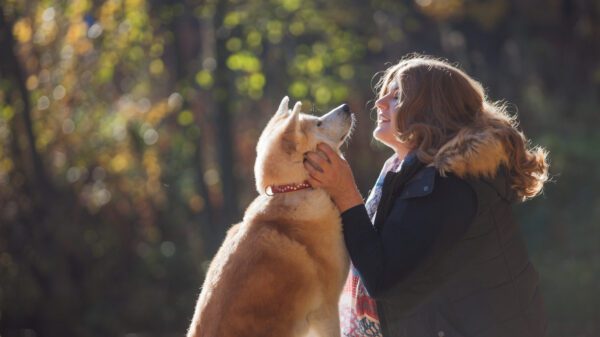
How Much Does It Cost to Adopt a Akita in West Virginia?In West Virginia, most families spend $200 to $450 to adopt an adult Akita through a shelter or a rescue. Puppies and dogs with high demand or extensive training may range from $500 to $650. Fees vary with age, training, medical care, and regional demand for the breed. Adoption fees usually include spaying or neutering, vaccinations, microchipping, and veterinary exams. Some groups invest in behavior evaluations and basic obedience, which can raise the fee while saving you time and training costs later. Budget for initial supplies such as a crate, a properly fitted collar, a sturdy leash, high quality food, and grooming tools for a double coat. Plan for follow-up veterinary care, licensing, and training sessions during the first 3 months. |
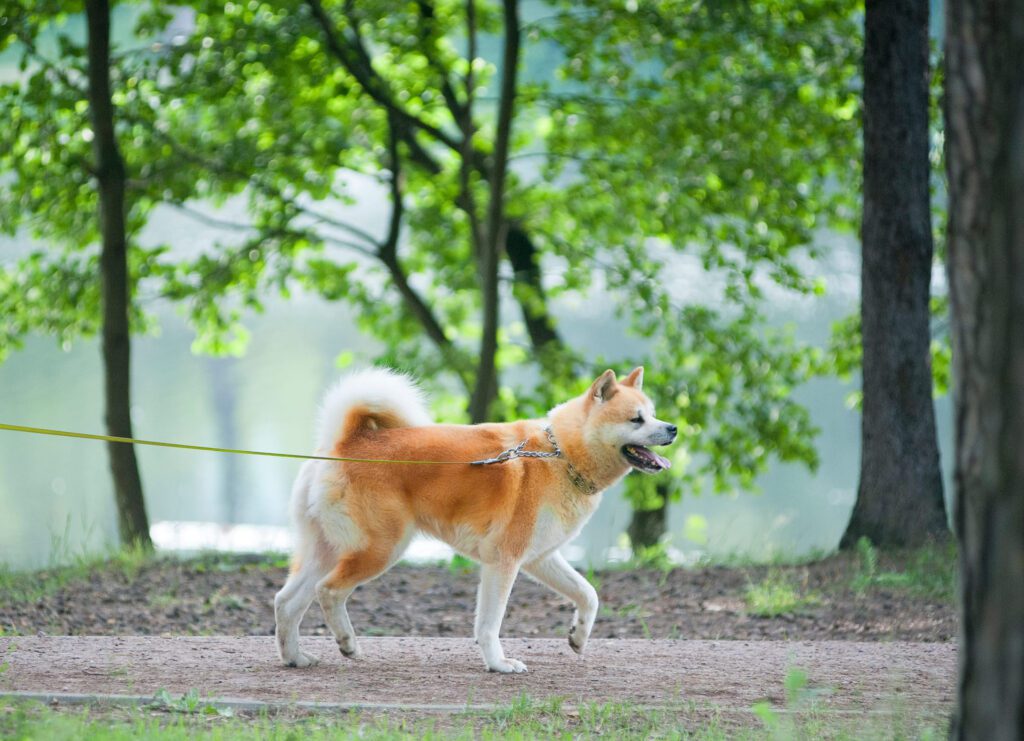
How Should I Train a Akita?Akitas are intelligent and capable learners, yet they can be independent and strong willed. They respond best to calm leadership, clear structure, and high value rewards. Use positive reinforcement with food, toys, and praise to build trust and reliability. Keep sessions short and focused, and end while your dog is still engaged so training stays enjoyable. Socialize early and thoughtfully by introducing new people, sights, and surfaces at a comfortable pace. Teach foundation skills like name recognition, leash manners, sit, down, stay, and leave it. Prioritize impulse control and polite greetings to manage a powerful dog in public spaces. Many Akitas are not reliable off leash, so practice recall inside fenced areas. Consider muzzle conditioning to create a safe backup tool for vet visits or crowded settings. For step-by-step help, explore Dog Academy’s online training courses, which cover manners, leash skills, confidence building, and advanced obedience with clear, dog-friendly methods. |
|
The ideal home for an Akita includes experienced owners who value structure, consistency, and respectful handling. A secure yard, regular exercise, and clear household rules help this breed settle. Grooming needs rise during seasonal shedding, so plan for weekly brushing and more frequent sessions during heavy molts. With preparation and patience, an Akita can be a loyal partner for hiking quiet trails, relaxing at home, and keeping a steady routine.
Take time to learn, ask questions, and meet more than one dog. Move at a pace that feels right for your family, and use trusted resources to guide each step. With thoughtful planning and the right match, your Akita can thrive in West Virginia for years to come.

Introducing a new puppy to your current dog is often an exciting process, and many dogs will become fast friends and eas...
Read More
Rescue dogs can make great companions and can transform your home into something better. These dogs make great pets and ...
Read More
You should never rush to pet a dog. Even dog owners make the mistake of approaching unfamiliar dogs and petting them rig...
Read More
Puppy mill dogs are survivors who have endured extreme hardships in their lives. They have grown up in horrendous, unsan...
Read More
With their wagging tails and comforting presence, adopting a dog can add a unique touch to your life. It’s a heart...
Read More
Older dogs may have a few gray hairs around the edges, but that doesn’t mean they can’t make wonderful companions! T...
Read More