


























































































































































































Introducing a new puppy to your current dog is often an exciting process, and many dogs will become fast friends and eas...
Read MoreAdopt Me



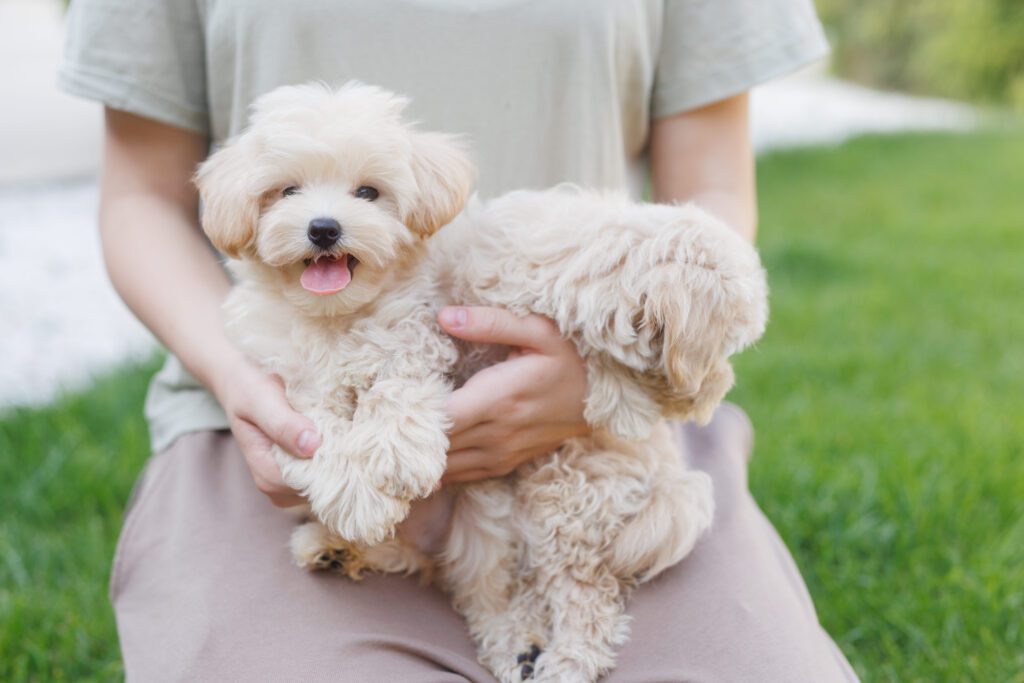
Toy Poodles are bright, affectionate, and people focused. They thrive on close companionship and love to learn new skills. Their small size makes daily care simple for many homes, and their low-shedding curls help keep housekeeping manageable with regular grooming. With the right routine, a Toy Poodle becomes a cheerful partner for relaxed evenings and fun training sessions.
Research matters before you adopt. Understanding grooming needs, exercise requirements, and common health considerations helps you set realistic expectations. Adoption gives a deserving dog a new start, supports ethical animal welfare, and typically includes key veterinary care at a value compared to buying.
West Virginia’s climate brings humid summers and chilly winters, along with mountain weather that can change quickly. A Toy Poodle does best as an indoor companion with short outdoor breaks in extreme heat or cold. The state’s rolling hills and scenic trails reward gentle walks, yet a small dog can tire fast on rugged ground. A snug sweater in winter, paw protection on icy sidewalks, and shade with water in summer keep a Toy Poodle comfortable year-round.
You can skip searching shelters and rescues one by one by using Dog Academy to view adoption listings in one place. You can filter by age, size, and distance, and you can read detailed profiles to understand temperament and care needs. Dog Academy also offers helpful adoption guides and a practical checklist so you can prepare your home with confidence.
Start by browsing adoptable dogs from local animal shelters, regional rescues, and breed-specific rescue groups. Read each profile carefully. Look for notes on behavior, grooming tolerance, energy level, and any medical updates. A Toy Poodle that enjoys handling and brushing will make grooming easier, and a calm, people-loving temperament suits many West Virginia households.
Next, complete an application that usually asks about your schedule, experience, and housing. You may be asked for references, proof of identification, and landlord approval if you rent. After an initial review, you can arrange a meet-and-greet. Bring everyone in the household, including resident dogs if allowed, so you can see how the Toy Poodle interacts with family members in a calm setting.
Many groups perform a virtual or in-person home check to confirm safety. They look for secure doors and gates, safe storage for cleaners and medications, and solutions for small-dog hazards like open stair rails. Approval timelines vary. Straightforward applications often move in 3 to 10 days. Puppies or high-demand dogs can take longer because organizations receive more interest and may schedule multiple meetings.
Transport can broaden your options if you do not live near a Toy Poodle. Rescues sometimes arrange transport between locations using volunteer drivers or licensed carriers who move dogs safely. Transport usually adds a modest fee and may require a health certificate from a veterinarian. Clear communication about pickup times and required supplies helps the trip go smoothly.

|
How Much Does It Cost to Adopt a Toy Poodle in West Virginia?Most adopters in West Virginia pay $200 to $500 to adopt a Toy Poodle. Shelters commonly list fees near $150 to $300, while breed-focused rescues often range from $300 to $600 due to specialized care and high demand for small companion dogs. Fees reflect included services such as spaying or neutering, vaccinations, microchipping, and veterinary exams. Age, training, medical care, and demand influence price. Puppies and young adults usually cost more because they receive more applications and require a full vaccine series. Dogs with completed training, recent dental cleanings, or treatment for conditions like ear infections can have higher fees to cover care. Small, low-shedding breeds remain popular, which can also increase adoption costs within the typical range. |
How Should I Train a Toy Poodle?Toy Poodles are highly intelligent and eager to engage. They learn new cues quickly when training sessions stay short, upbeat, and consistent. Use positive reinforcement with food rewards, gentle praise, and play. This approach builds confidence and keeps a sensitive dog motivated to try again. Common challenges include house training, alert barking, and fussiness during grooming. Establish a regular potty schedule, reward outdoor success immediately, and supervise closely indoors to prevent mistakes. Teach a quiet cue and reward calm behavior when doorbells or neighborhood sounds trigger barking. Practice cooperative care by pairing brushing, nail trims, and ear checks with treats so your Toy Poodle relaxes during grooming. If you want a step-by-step plan, explore Dog Academy’s online training courses. You will find clear lessons for obedience, socialization, crate training, and enrichment games that keep a bright dog satisfied. Structured practice reduces frustration and helps your new companion settle quickly into your routine. |
|
A great match for a Toy Poodle is an adopter who enjoys daily companionship, provides indoor living with short, fun outings, and sets aside time each week for grooming and mental games. A stable schedule, gentle handling, and patient training help this sensitive breed thrive.
Prepare your home with a properly fitted harness, a comfortable crate, non-slip rugs, a slicker brush and comb, and cozy layers for cold days. Take your time, ask thoughtful questions, and review each profile carefully. When you adopt a Toy Poodle in West Virginia with careful planning, you welcome a bright, loyal partner who will reward your preparation every day.

Introducing a new puppy to your current dog is often an exciting process, and many dogs will become fast friends and eas...
Read More
Rescue dogs can make great companions and can transform your home into something better. These dogs make great pets and ...
Read More
You should never rush to pet a dog. Even dog owners make the mistake of approaching unfamiliar dogs and petting them rig...
Read More
Puppy mill dogs are survivors who have endured extreme hardships in their lives. They have grown up in horrendous, unsan...
Read More
With their wagging tails and comforting presence, adopting a dog can add a unique touch to your life. It’s a heart...
Read More
Older dogs may have a few gray hairs around the edges, but that doesn’t mean they can’t make wonderful companions! T...
Read More