


























































































































































































Introducing a new puppy to your current dog is often an exciting process, and many dogs will become fast friends and eas...
Read MoreAdopt Me

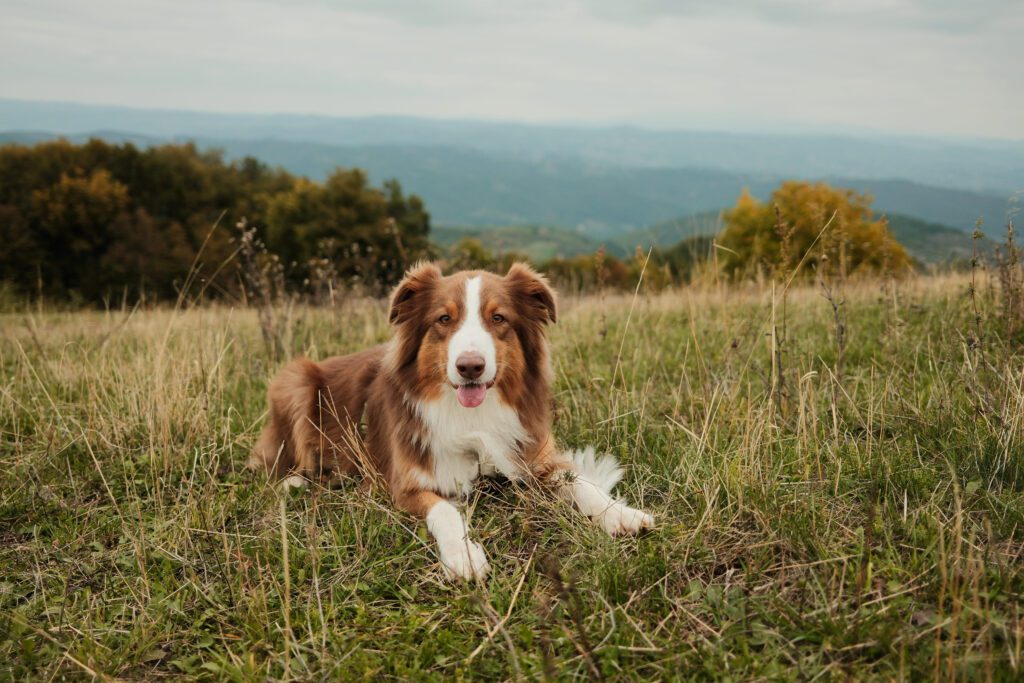
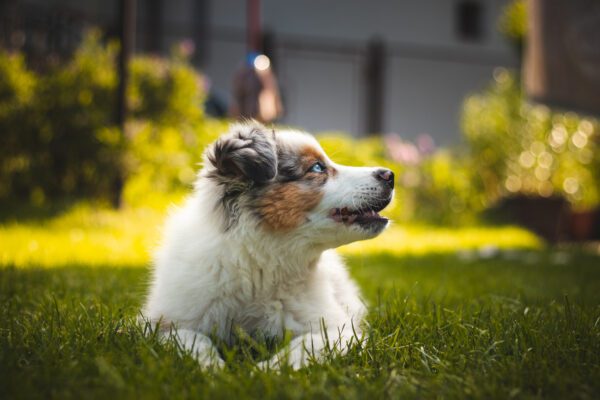
The Toy Aussie is a small, bright, and loyal herding dog that offers big-dog brains in a compact body. This breed loves to learn, thrives on routine, and bonds closely with people. A Toy Aussie fits well with active owners who enjoy training, light hikes, and daily play. The breed’s alert nature and affectionate temperament make it a wonderful companion for families and singles who can provide structure.
Good research sets every adoption up for success. A Toy Aussie needs daily exercise, mental enrichment, and regular grooming. The double coat sheds seasonally and needs weekly brushing. The mind needs puzzles, training games, and calm downtime. A prepared adopter plans for time, training, and veterinary care before bringing a dog home.
Adoption helps a dog in need and supports ethical placement. West Virginia offers forests, trails, and open spaces that suit a curious and energetic dog. Summers can feel hot and humid, so a Toy Aussie needs shade, water, and rest during midday. Winters can feel cold, so a warm indoor space and a well-fitted coat help the dog stay comfortable. Mountain terrain and rural roads invite adventures, while apartments in town can also work when exercise and training stay consistent.
You can skip separate searches of rescues and shelters by using Dog Academy. The adoption listings gather dogs from many sources in one place and save you time. You can also use Dog Academy for educational guides and an adoption checklist that help you plan each step with confidence.
Start by browsing listings for Toy Aussies through local animal shelters, regional rescues, and breed-specific rescue groups. Read each profile carefully and note temperament, energy level, medical history, and known training. Contact the group to ask clear questions about exercise needs, social comfort, and current routines. Ask for recent photos or short videos if you want more context on size and movement.
Most groups ask you to submit an application that includes personal information, references, and housing details. Landlord approval is often required for renters. Many groups request a veterinary reference if you have owned pets. A coordinator reviews your application and schedules a call to confirm fit. Timelines vary by group, but approvals in West Virginia often take about 3 to 14 days when paperwork is complete. Meet-and-greets allow you to observe behavior and handling. Home checks confirm that fencing, space, and safety meet the dog’s needs. Some groups offer a trial placement to ensure a smooth transition before finalizing the adoption.
Dogs sometimes arrive from other areas when local demand is high. Rescues may arrange transport to move dogs between locations when a better match exists. Transport usually involves vetted volunteer drivers or licensed carriers who move dogs in stages with rest stops and health checks. A small transport fee may apply to cover fuel, crates, and supplies. Coordinators provide clear pickup times, meeting points, and care instructions for the handoff.
|
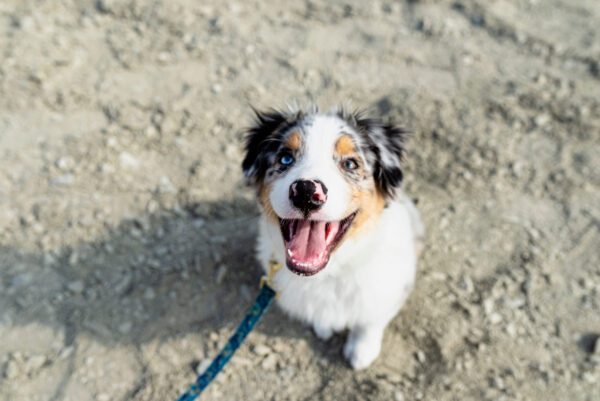
How Much Does It Cost to Adopt a Toy Aussie in West Virginia?Expect to pay about $250 to $450 to adopt a Toy Aussie in West Virginia. Puppies and newly vetted dogs can reach about $500 when demand is strong or medical care is recent. Fees vary with age, prior training, medical history, and regional demand. A healthy adult often falls in the middle of the range, while a young puppy or a dog with current preventive care may fall near the top. Most fees include spaying or neutering, vaccinations, microchipping, and veterinary exams. Many groups also include heartworm testing, deworming, and a flea and tick preventive. Some dogs receive dentals or minor procedures before placement when needed. Ask for an itemized list so you understand the care covered by the fee and any costs you need to budget after adoption. |
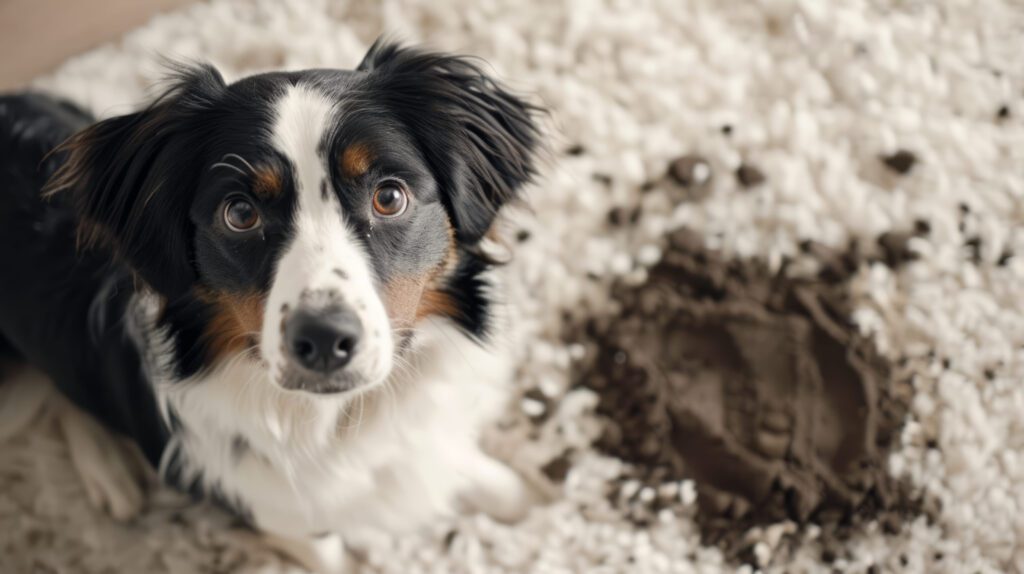
How Should I Train a Toy Aussie?The Toy Aussie learns quickly and enjoys clear goals. Short, upbeat sessions work best because the breed stays alert and responsive to rewards. Use positive reinforcement with food, toys, and praise to build confidence. Begin with name recognition, hand targeting, sit, down, and recall. Add crate training and house training to create reliable routines that reduce stress. Common challenges include herding behaviors, nipping during play, alert barking, and sensitivity to sudden changes. Teach leave it, drop it, and a calm settle to replace impulse behaviors. Practice loose-leash walking and a strong recall in low-distraction areas before moving to busy spaces. Provide daily mental enrichment through scent games, puzzle feeders, and trick training. For structured help, explore Dog Academy’s online training courses that cover foundations, impulse control, and enrichment tailored for smart, active dogs. |
|
The ideal owner enjoys daily training, regular walks, and time for interactive play. A Toy Aussie thrives with people who value structure, enrichment, and kind guidance. The breed excels when exercise and mental work stay consistent, even on busy days.
Set your home up before the dog arrives and plan your first week with clear routines. Gather supplies, confirm a veterinary appointment, and outline a training schedule. Take your time, ask clear questions, and trust the process. When you are ready to adopt a Toy Aussie in West Virginia, use Dog Academy to find a great match and start a rewarding partnership that lasts for years.

Introducing a new puppy to your current dog is often an exciting process, and many dogs will become fast friends and eas...
Read More
Rescue dogs can make great companions and can transform your home into something better. These dogs make great pets and ...
Read More
You should never rush to pet a dog. Even dog owners make the mistake of approaching unfamiliar dogs and petting them rig...
Read More
Puppy mill dogs are survivors who have endured extreme hardships in their lives. They have grown up in horrendous, unsan...
Read More
With their wagging tails and comforting presence, adopting a dog can add a unique touch to your life. It’s a heart...
Read More
Older dogs may have a few gray hairs around the edges, but that doesn’t mean they can’t make wonderful companions! T...
Read More