


























































































































































































Introducing a new puppy to your current dog is often an exciting process, and many dogs will become fast friends and eas...
Read MoreAdopt Me

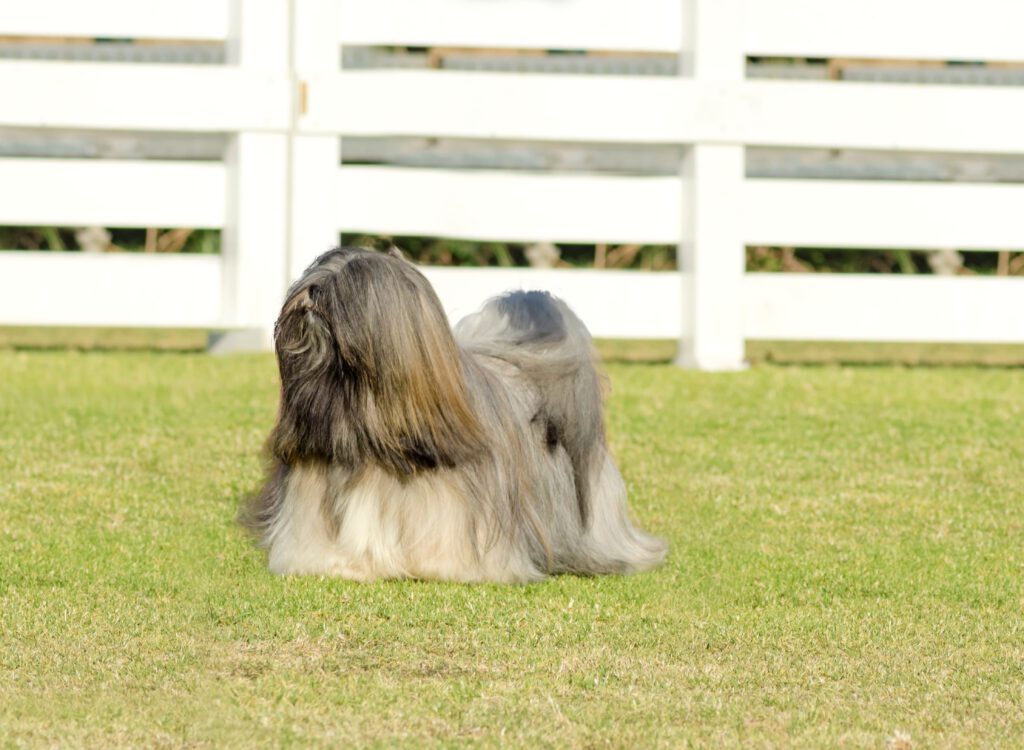

The Lhasa Apso is a small yet sturdy companion with a big heart. This breed is affectionate with family, alert with strangers, and confident in new spaces when properly socialized. A Lhasa Apso enjoys a calm home, regular walks, and plenty of time near their people. Thoughtful research helps you understand grooming needs, exercise requirements, and temperament so you can set your new dog up for success.
Adoption is a compassionate choice because it gives a dog a second chance while also guiding you toward a dog whose history and needs are known. West Virginia’s four-season climate brings humid summers and cold winters. The Lhasa Apso’s dense coat provides insulation in winter, but the breed needs shade, water, and cool indoor rest in hot weather. The state’s rolling hills and mountain towns create great walking routes, though a Lhasa Apso does best with short hikes and steady footing rather than long, steep treks. This breed fits well in apartments or houses, which matches West Virginia’s mix of urban neighborhoods and rural homes.
You can skip searching shelters and rescues one by one by using Dog Academy to browse adoption listings in one place. You can also use Dog Academy to access clear educational guides and practical adoption checklists that prepare you for every step, from first inquiry to homecoming day.
You can find adoptable Lhasa Apsos through local animal shelters, regional rescues, and breed-specific rescue groups. Foster networks also place Lhasa Apsos, and community rehoming programs sometimes list dogs that need new homes. If the right match is in another area, rescues may arrange transport to move dogs between locations when it is safe and permitted, and they will explain costs and timing in advance.
The process usually starts with browsing listings and reading each profile closely. Profiles often include age, weight, personality notes, medical history, and behavior observations from staff or foster families. When you find a possible match, you complete an application that may request personal references, a veterinary contact, and landlord approval if you rent. Response times vary by group and volunteer availability, and approval commonly takes 1 to 3 weeks.
After your application is reviewed, you schedule a meet-and-greet to confirm a good fit. Many groups require a home check to ensure safe fencing, secure doors, and appropriate space for rest and feeding. Some groups offer a trial period or a foster-to-adopt step to make sure the match feels right. Clear communication about routines, training plans, and grooming commitments helps the process move smoothly.

|
How Much Does It Cost to Adopt a Lhasa Apso in West Virginia?In West Virginia, the typical adoption fee for a Lhasa Apso ranges from $150 to $350 for most adults. Puppies can cost $300 to $450 due to higher demand and extra veterinary care. Fees in the state tend to be slightly lower than national averages, which reflects local costs and funding. The fee often covers spaying or neutering, vaccinations, microchipping, and veterinary exams. Many groups also include deworming and heartworm testing, and some provide a starter supply of food or a collar. Age, training, medical history, and demand influence the final fee. Seniors or dogs with ongoing medical needs may have reduced fees, while dogs that have completed manners training may cost more. Transport that is arranged by rescues to move dogs between locations can add $50 to $200, and the organizer will outline the route, timeline, and safety protocols before you agree. |
How Should I Train a Lhasa Apso?The Lhasa Apso is intelligent, observant, and independent. This combination means the breed learns quickly when lessons feel rewarding, yet it resists pressure or harsh corrections. Positive reinforcement works best. Use small treats, gentle praise, and short training sessions to maintain focus. Consistency matters, so use the same cues and reward timing every day. Common challenges include alert barking, house training delays, and stubborn moments during grooming. You can teach a quiet cue by rewarding silence after a single bark and by redirecting to a mat or chew. House training improves with a strict schedule, frequent outdoor breaks, and immediate rewards for outdoor success. Cooperative grooming is essential for this long-coated breed. Teach stand, stay, and handling of paws and ears in short steps so brushing and nail care feel safe and predictable. Structured guidance can make training faster and more enjoyable. You can follow step-by-step lessons through Dog Academy’s online training courses, which cover foundation skills, polite leash walking, and confidence building for sensitive or wary dogs. |

|
The ideal adopter enjoys daily walks, values a tidy routine, and can commit to regular coat care. A Lhasa Apso thrives with people who provide calm leadership, gentle structure, and time for training and socialization. This breed suits apartments and houses alike as long as exercise, mental enrichment, and companionship are part of every day.
Preparation leads to a smooth transition. Set up a safe sleeping area, choose a veterinarian and a groomer, and stock essentials like a crate, a flat collar, a harness, and a slicker brush. Take your time, ask clear questions, and review behavior notes carefully. With patience and planning, you can adopt a Lhasa Apso in West Virginia and welcome a loyal, spirited friend into your life.

Introducing a new puppy to your current dog is often an exciting process, and many dogs will become fast friends and eas...
Read More
Rescue dogs can make great companions and can transform your home into something better. These dogs make great pets and ...
Read More
You should never rush to pet a dog. Even dog owners make the mistake of approaching unfamiliar dogs and petting them rig...
Read More
Puppy mill dogs are survivors who have endured extreme hardships in their lives. They have grown up in horrendous, unsan...
Read More
With their wagging tails and comforting presence, adopting a dog can add a unique touch to your life. It’s a heart...
Read More
Older dogs may have a few gray hairs around the edges, but that doesn’t mean they can’t make wonderful companions! T...
Read More