









































































































































































Introducing a new puppy to your current dog is often an exciting process, and many dogs will become fast friends and eas...
Read MoreAdopt Me




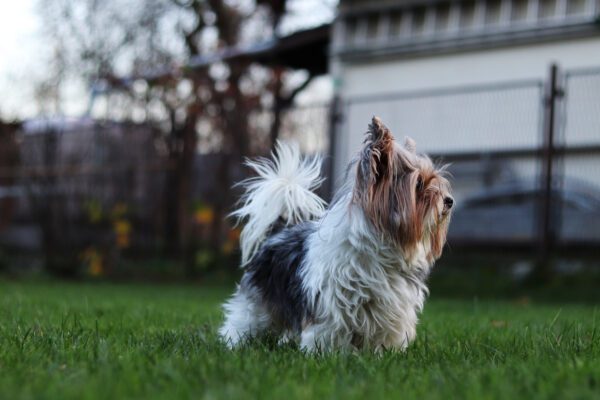
The Biewer Terrier is a cheerful, affectionate, and tidy companion that fits beautifully into many West Virginia homes. This small tri-colored terrier brings playful energy, a silky low-shedding coat, and a people-focused nature that suits families, singles, and seniors. The breed stays close to its people, enjoys learning new tricks, and prefers calm, consistent routines.
Thoughtful research always leads to better adoptions. A Biewer Terrier needs daily brushing, regular grooming, gentle exercise, and steady training. Adoption gives a dog a second chance and helps prevent irresponsible breeding. Adopters also benefit from behavior insights collected by shelters and rescues, which can make the transition smoother.
West Virginia offers four distinct seasons with humid summers and cold mountain winters. A Biewer Terrier handles short walks in heat or cold but needs indoor living, temperature awareness, and winter layers during frigid snaps. Hilly terrain and rural spaces invite scenic strolls, yet small dogs need leashes and fenced yards to protect them from wildlife and traffic. Ticks can be common in wooded areas, so year-round prevention and post-walk checks matter.
You can skip separate searches of rescues and shelters by browsing listings through Dog Academy. The listings make it easy to filter for location and size, and the site offers educational guides and adoption checklists that prepare you for every step.
In West Virginia, adoptable Biewer Terriers may appear through local animal shelters, regional rescues, breed-specific rescue groups, and foster networks. Foster caregivers often know each dog’s temperament and routine, which helps match energy levels and training needs. When a great match lives outside your area, rescues sometimes arrange transport to move dogs between locations. Transport is typically coordinated by volunteers or professional carriers and usually requires a health certificate and a confirmed pickup plan.
The adoption path is straightforward. Start by browsing listings, reading full bios, and requesting additional details about health, behavior, and grooming needs. Submit an application that explains your schedule, home setup, experience with small dogs, and veterinary history. Some organizations request an application fee and a vet or landlord reference if you rent. Clear answers help teams place the right dog in the right home.
Next comes a meet-and-greet, which may happen at a shelter, a foster home, or a neutral location. Bring all family members and any resident dogs to confirm compatibility. Many organizations complete a home check that may be virtual or in person to confirm safe stairs, secure fencing, and a plan to protect a small dog from outdoor hazards. Timelines vary, but approvals commonly take 3 to 7 days for local shelters and 1 to 2 weeks for foster-based rescues. Puppies that attract high interest can take longer.

|
How Much Does It Cost to Adopt a Biewer Terrier in West Virginia?In West Virginia, expect an adoption fee in the range of $275 to $525 for a Biewer Terrier. Puppies and young adults that attract higher demand may fall near the top of that range. Fees usually include spaying or neutering, vaccinations, microchipping, and veterinary exams. Some organizations also include parasite treatment, dental cleanings when indicated, and a starter supply of food or preventatives. When transport is involved, rescues may request an additional contribution to cover fuel, a travel crate, and the required health certificate. Age, medical history, training, and local demand can move the fee slightly up or down. Gently socialized adults with basic manners can be in higher demand, while dogs needing dental work or specialty care can carry a higher fee that reflects recent veterinary costs. Foster-based organizations may also adjust pricing to support dogs with ongoing medical needs. |
How Should I Train a Biewer Terrier?The Biewer Terrier is bright, sensitive, and eager to learn. Short, upbeat sessions work best, and rewards should include tiny treats, praise, and play. Start with name recognition, sit, down, come, and loose-leash walking. Crate training and a steady potty routine help prevent accidents and reduce anxiety. Early socialization with calm dogs, friendly people, and everyday noises builds confidence. Common challenges include alert barking, a stubborn streak during house training, and sensitivity to being left alone. Teach a reliable quiet cue, reinforce settle on a bed, and practice gradual alone-time training. Handle paws, ears, and muzzle daily to prepare for regular grooming. Use gentle pressure and treats while brushing to keep the long coat tangle free. For step-by-step guidance, explore Dog Academy’s online training courses, which cover house training, leash skills, enrichment, and behavior troubleshooting designed for small companion breeds. |

|
The ideal adopter enjoys daily grooming, gentle play, and close companionship. A Biewer Terrier thrives with people who work from home or provide midday breaks, who commit to kind training, and who keep the dog safe from heat, cold, and wildlife. Preparation matters, so line up a veterinarian, a groomer, quality nutrition, and a secure walking routine before you bring your dog home.
Take your time, ask thorough questions, and choose a dog whose needs match your lifestyle. With careful planning and patient training, you can adopt a Biewer Terrier in West Virginia and welcome a loyal friend who shines in every season.
Introducing a new puppy to your current dog is often an exciting process, and many dogs will become fast friends and eas...
Read More
Rescue dogs can make great companions and can transform your home into something better. These dogs make great pets and ...
Read More
You should never rush to pet a dog. Even dog owners make the mistake of approaching unfamiliar dogs and petting them rig...
Read More
Puppy mill dogs are survivors who have endured extreme hardships in their lives. They have grown up in horrendous, unsan...
Read More
With their wagging tails and comforting presence, adopting a dog can add a unique touch to your life. It’s a heart...
Read More
Older dogs may have a few gray hairs around the edges, but that doesn’t mean they can’t make wonderful companions! T...
Read More