


























































































































































































Introducing a new puppy to your current dog is often an exciting process, and many dogs will become fast friends and eas...
Read MoreAdopt Me

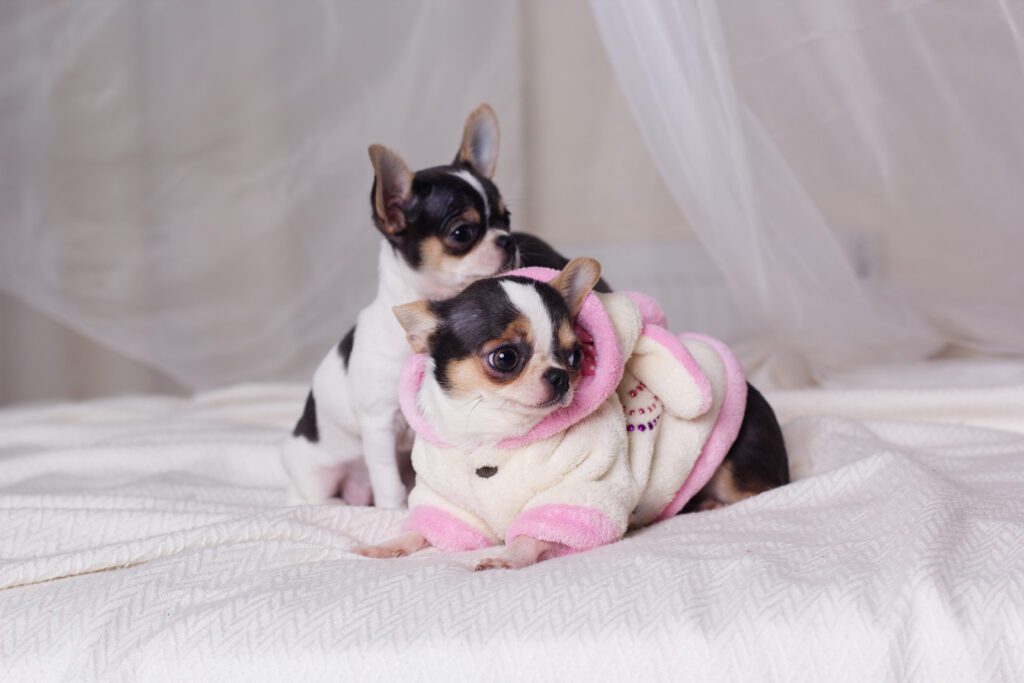



A Teacup Chihuahua is a very small Chihuahua that stays tiny as an adult. This petite companion is devoted, alert, and eager to be near people. The breed’s charm comes from big personality in a small body, along with loyalty that makes daily life feel full. A Teacup Chihuahua can thrive with gentle handling and consistent routines.
Thorough research protects both you and the dog. Very small dogs can face extra health and safety needs. Responsible adoption gives you transparency on behavior, medical history, and care requirements. Adoption also opens a space for another dog in need and helps reduce pressure on breeding for extreme size.
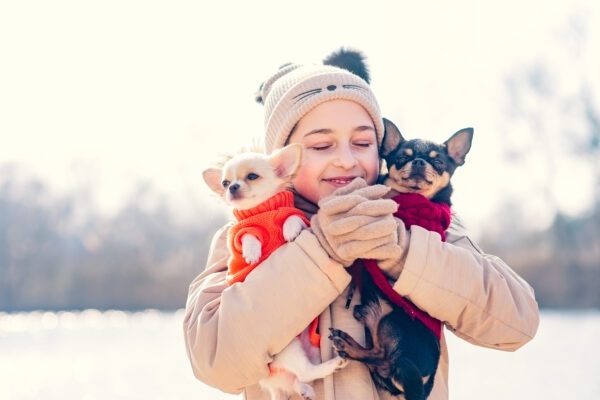
West Virginia offers four seasons and varied terrain. Winters can feel cold and snowy in the mountains, so a Teacup Chihuahua needs warm indoor living, a coat for outdoor breaks, and short walks. Summers can feel humid, so shade and water matter. Rural roads and steep yards may add hazards for tiny dogs, which means leashed walks and supervision are essential. Apartment life or a small home suits this breed if daily exercise, enrichment, and companionship are consistent.
You can skip searching shelters and rescues one by one by starting with Dog Academy. You can browse current adoption listings in one place, and you can use Dog Academy guides and checklists to prepare for interviews, home checks, and first-week planning. You can also look at local animal shelters, regional rescues, and breed-specific rescue groups that serve West Virginia.
Begin by browsing listings to confirm the dog’s size, age, and temperament. Read the full profile to understand medical notes, house-training progress, and energy level. Submit a complete application with personal references, proof of residence, and landlord approval if you rent. Strong applications show stable schedules, safe housing, and a plan for veterinary care.
Most groups schedule a meet-and-greet at a shelter or in a foster home. This visit helps you assess handling tolerance, reaction to new spaces, and confidence with gentle touch. Many groups require a home check to confirm secure doors, safe stairs, and a quiet rest area. Some checks happen virtually through video calls, while others occur in person.
Approval timelines vary by group, but many decisions arrive within 3 to 14 days after the meet-and-greet and home check. You may sign an adoption agreement that explains return policies, medical records, and behavior notes. If a rescue lists a dog outside your immediate area, transport is often arranged by rescues to move dogs between locations using volunteer drivers or licensed carriers, and health certificates are included when required by state law.
|
How Much Does It Cost to Adopt a Teacup Chihuahua in West Virginia?In West Virginia, the typical adoption fee for a Teacup Chihuahua ranges from $150 to $400. Younger dogs and high-demand small sizes tend to be near the top of the range, while seniors or dogs with ongoing medical plans may be lower. Most fees help cover spaying or neutering, vaccinations, microchipping, and veterinary exams. Dental evaluations are common for toy breeds, and recent dental cleanings can also influence the fee. Costs vary based on age, training, medical care, and demand. Puppies with starter training may cost more due to the time invested by fosters. Adults with completed medical work can be a good value because future veterinary costs are more predictable. Dogs with chronic conditions may carry lower fees, but they require a budget for continuing care. Transparent itemization from the group helps you understand exactly what the fee supports. |
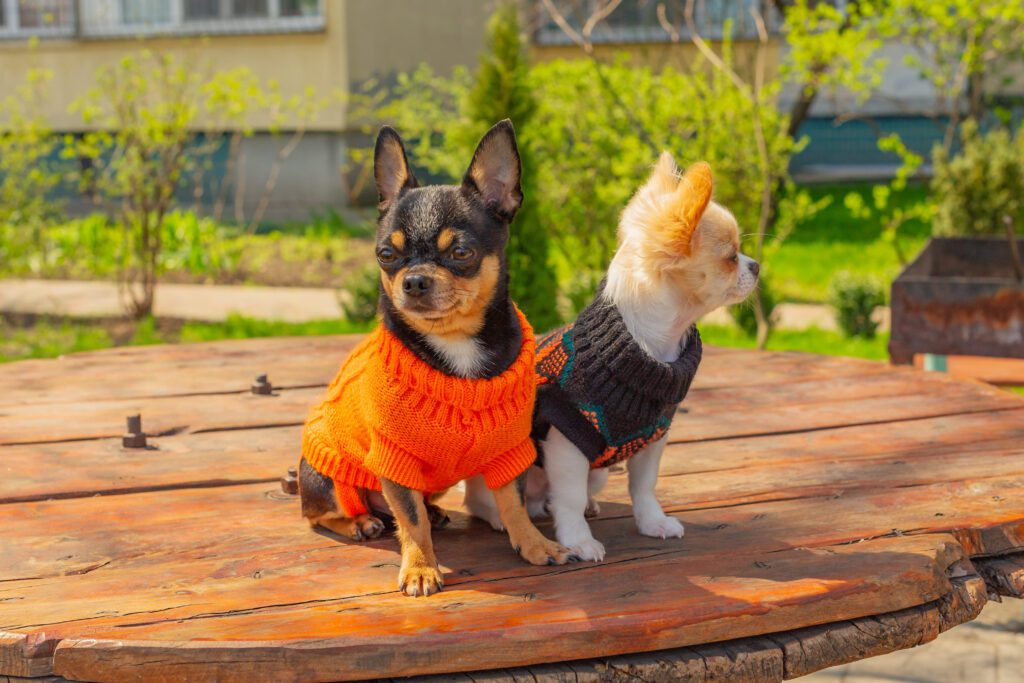
How Should I Train a Teacup Chihuahua?Chihuahuas are bright and quick to learn when training feels safe and rewarding. Keep sessions short, use soft treats, and mark desired behaviors with calm praise. Positive reinforcement builds trust and reduces anxiety in small dogs. A steady routine supports progress with house training, crate training, and polite greetings. Common challenges include barking at new sounds, reluctance with outdoor potty breaks in bad weather, and jumpy reactions to fast movement. Prevent problems by rewarding quiet behavior, using a consistent potty schedule, and guiding calm exposure to everyday noises. Use a well-fitted harness instead of a collar during walks to protect the neck. Teach a solid sit, a reliable recall, and a settle cue for rest time. Gentle socialization with children and respectful dogs teaches confidence while protecting fragile bones. For step-by-step help, explore Dog Academy’s online training courses, which offer small-dog modules, house-training plans, and barking management. |
|
The ideal adopter leads a calm household, offers most of the day indoors, and enjoys short walks and frequent cuddle breaks. A patient owner who supervises doorways, stairs, and outdoor spaces will keep a tiny dog safe. A family that respects gentle handling and sets predictable routines will help a Teacup Chihuahua relax and bond.
Preparation leads to a happy match. Gather supplies, choose a veterinarian, and map out a slow first week at home. Take time to meet several dogs and ask clear questions about health and behavior. When you feel confident in your plan, you can adopt a Teacup Chihuahua in West Virginia and welcome a devoted companion into your life.

Introducing a new puppy to your current dog is often an exciting process, and many dogs will become fast friends and eas...
Read More
Rescue dogs can make great companions and can transform your home into something better. These dogs make great pets and ...
Read More
You should never rush to pet a dog. Even dog owners make the mistake of approaching unfamiliar dogs and petting them rig...
Read More
Puppy mill dogs are survivors who have endured extreme hardships in their lives. They have grown up in horrendous, unsan...
Read More
With their wagging tails and comforting presence, adopting a dog can add a unique touch to your life. It’s a heart...
Read More
Older dogs may have a few gray hairs around the edges, but that doesn’t mean they can’t make wonderful companions! T...
Read More