






















































































































































































Introducing a new puppy to your current dog is often an exciting process, and many dogs will become fast friends and eas...
Read MoreAdopt Me

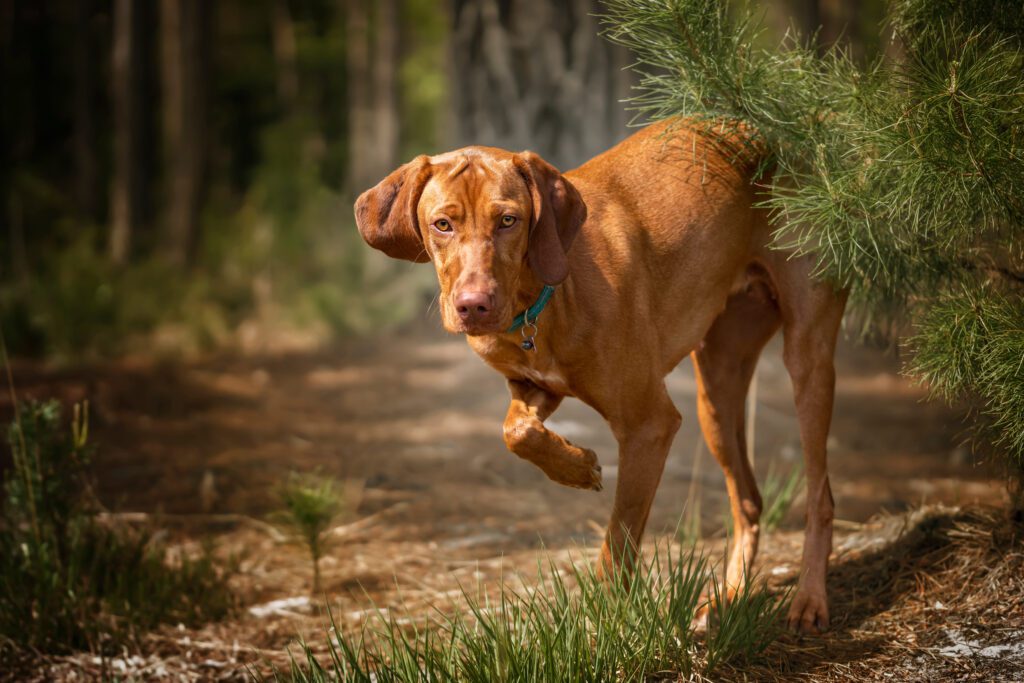
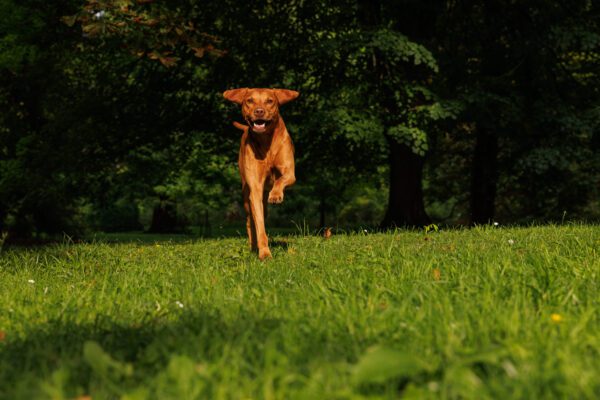
The Vizsla is a bright, sensitive, and athletic companion that thrives on human connection. This medium sporting breed bonds closely with its family, seeks gentle guidance, and loves purposeful activity. Many West Virginians choose the Vizsla for hiking, running, and long days outdoors, and then enjoy a calm cuddle buddy at night.
Thoughtful research is essential before you adopt a Vizsla in West Virginia. Adoption gives a dog a second chance, supports local animal welfare work, and often provides a dog that has already received core veterinary care. The Vizsla’s short coat sheds lightly and is easy to maintain, but the breed needs daily exercise and meaningful training to stay balanced and happy.
West Virginia’s mountains, forests, and rivers create a wonderful playground for an energetic hunting breed. Summers are warm and humid, which calls for shaded walks, water breaks, and earlier or later outings. Winters can be cold, especially at higher elevations, which means a well-fitted dog coat and shorter sessions outdoors for comfort. Wooded terrain is perfect for trail adventures, though it increases tick exposure, so consistent parasite prevention and thorough checks after hikes are important.
You can skip searching shelters and rescues one by one by using Dog Academy, which gathers adoptable dogs in one place and makes browsing simple. You can also use Dog Academy’s educational guides and adoption checklists to prepare your home, budget, and schedule before you meet a dog.
Start by checking local animal shelters, regional rescues, breed-specific rescue groups, and foster networks that serve West Virginia. Many Vizslas appear through general shelters as well as breed-focused teams. Some dogs will already live in West Virginia, while others may be in nearby states and available to adopt into West Virginia.
Browse listings and read each bio carefully. Look for details about age, activity level, manners, medical history, and any training or behavior notes. Submit an application that usually asks for personal references, proof of housing, landlord approval if you rent, and a veterinary reference if you have owned pets. Respond quickly to follow-up questions and schedule a meet-and-greet so every household member, including resident dogs, can interact with the Vizsla in a calm and structured setting.
Many groups complete a home check to confirm a safe environment. Home checks may be in person or virtual, and they review fencing, indoor spaces, and plans for exercise and supervision. Approval timelines vary by organization and dog, though many adoptions in the region finalize within 3 to 14 days after a successful meet-and-greet and home review. Final steps include signing an adoption contract, paying the fee, and arranging a pick-up date or a brief trial period when offered.
Transport is sometimes arranged by rescues to move dogs between locations. Transport can involve volunteer drivers, coordinated hub-to-hub routes, or licensed carriers, and it may include a modest transport fee. Dogs that cross state lines often travel with a health certificate issued by a veterinarian to ensure compliance with animal movement rules.

|
How Much Does It Cost to Adopt a Vizsla in West Virginia?Most adopters pay about $250 to $500 to adopt a Vizsla in West Virginia. Fees on the lower end are more common for seniors and dogs with known medical needs, while fees nearer the top are typical for puppies and young adults placed by breed-focused groups. Adoption fees usually include spaying or neutering, vaccinations, microchipping, and veterinary exams. Many organizations also provide heartworm testing, deworming, and a short supply of preventatives. Costs vary based on age, training, medical care already completed, and current demand for the breed. A dog that has received recent surgery or specialized treatment often costs more because the rescue must recover expenses. A puppy with starter training or a dog with documented field work may also carry a higher fee due to demand and invested time. |
How Should I Train a Vizsla?The Vizsla is intelligent, eager to please, and highly responsive to calm, positive reinforcement. Short, upbeat sessions work best. Reward good choices with food, toys, and praise, and keep corrections light since this breed is sensitive. Focus early on recall, loose-leash walking, polite greetings, and impulse control around wildlife and moving objects. Daily exercise is as important as obedience. Aim for vigorous activity and mental enrichment through scent games, field-style retrieves, structured fetch, and problem-solving puzzles. Crate training supports house manners and restful downtime. Gentle exposure to new people, places, and dogs builds confidence and helps prevent anxiety, which can appear if a Vizsla lacks guidance or routine. For step-by-step coaching you can follow at home, explore Dog Academy’s online training courses. These programs break skills into clear lessons that fit a busy schedule and keep training consistent for every family member. |
|
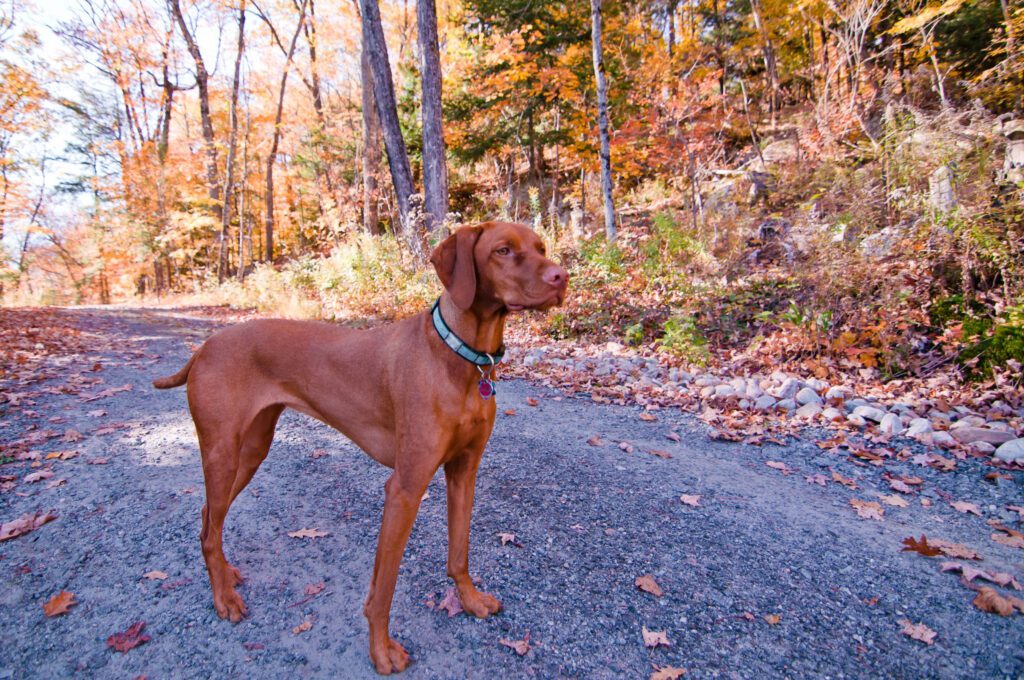
The ideal adopter enjoys an active lifestyle, provides daily exercise and mental work, and sets kind, consistent boundaries. A fenced yard is helpful, though committed city or apartment owners can succeed with a structured routine that covers exercise, enrichment, and training every day.
Prepare your home, plan your schedule, and take time to meet more than one dog. Use Dog Academy adoption listings to compare options and gather questions, then move forward when the fit feels right. With patience, preparation, and ongoing training, you can welcome a healthy, happy Vizsla and enjoy years of adventure in West Virginia’s beautiful outdoors.

Introducing a new puppy to your current dog is often an exciting process, and many dogs will become fast friends and eas...
Read More
Rescue dogs can make great companions and can transform your home into something better. These dogs make great pets and ...
Read More
You should never rush to pet a dog. Even dog owners make the mistake of approaching unfamiliar dogs and petting them rig...
Read More
Puppy mill dogs are survivors who have endured extreme hardships in their lives. They have grown up in horrendous, unsan...
Read More
With their wagging tails and comforting presence, adopting a dog can add a unique touch to your life. It’s a heart...
Read More
Older dogs may have a few gray hairs around the edges, but that doesn’t mean they can’t make wonderful companions! T...
Read More