





























































































































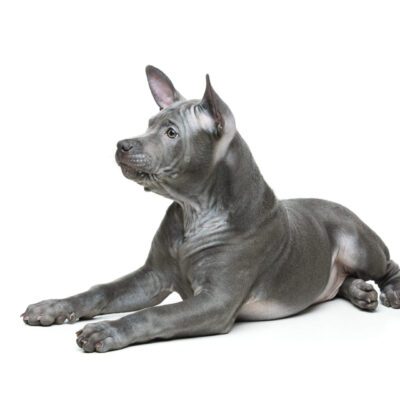













Introducing a new puppy to your current dog is often an exciting process, and many dogs will become fast friends and eas...
Read More
How to Introduce a New Puppy to Your Dog
The Bolognese Dog is a gentle, affectionate companion that loves close contact with people. This small, white-coated breed tends to bond closely with the family and enjoys quiet time as much as playful moments. The coat is low shedding, which appeals to many homes, and the temperament is calm, observant, and eager to please.
Thoughtful research helps you decide if this breed fits your daily routine. Adoption provides a humane path to pet ownership and helps a dog in need. When you adopt a Bolognese Dog, you support responsible rehoming and you free space for the next dog who needs help. West Virginia’s four-season climate and varied terrain can suit this breed well when the dog lives primarily indoors. Humid summers call for cool, shaded walks, and cold winters call for warm indoor spaces with short outings. The Bolognese Dog thrives in apartments, townhomes, and rural houses as long as the dog receives daily exercise and regular companionship.
Families who enjoy short walks, gentle play, and cozy evenings will find the Bolognese a great match. Grooming is consistent but manageable, and regular brushing keeps the coat healthy. The breed prefers a stable schedule and calm handling, which fits many West Virginia lifestyles that value home life and community time.
You can avoid searching local animal shelters and regional rescues one by one by starting with Dog Academy. Dog Academy’s adoption listings bring together dogs from many trusted sources in one place. You can filter results, review profiles, and follow a clear adoption checklist so you move from browsing to welcoming a dog home with confidence. Dog Academy also provides guides that explain each step so you feel ready at every stage.
Adoptable Bolognese Dogs may appear through local animal shelters, regional rescues, and breed-specific rescue groups. The breed is uncommon, which means patience is important. Set alerts or check listings regularly. Read each profile to learn about age, temperament, health notes, and any training progress. A calm adult may suit first-time adopters, while a younger dog may fit an active household that enjoys training.
The process usually starts with browsing listings and submitting an application that shares your home setup and routine. Most groups ask for references and may contact a landlord to confirm pet policies when you rent. Many groups schedule a meet-and-greet to watch how you and the dog interact. Some groups complete a home check to confirm safe fencing, secure doors, and a suitable living area. Approval timelines vary, and many adoptions finalize within 3 to 14 days once all steps are complete.
If the right dog is outside your immediate area, transport is often arranged by rescues to move dogs between locations. Transport can involve ground volunteers or commercial pet transport services that coordinate safe travel. Fees can cover fuel, health certificates, or crates, and groups explain these costs before you commit. Clear communication and a written schedule help the transition go smoothly.
Most adopters in West Virginia can expect adoption fees of about $200 to $450 through local shelters. Breed-focused rescues typically range from $300 to $600 due to grooming needs, veterinary screening, and higher demand for small companion breeds. Fees are often lower than large metro areas, which makes West Virginia an accessible place to adopt a Bolognese Dog.
Costs vary with age, training, recent medical care, and overall demand. Fees often include spaying or neutering, vaccinations, microchipping, and veterinary exams. Some groups invest in dental cleanings for older dogs, which can raise the fee. Transport adds cost when a dog travels from another area, and that fee usually reflects mileage and required paperwork. Budget for a crate, grooming tools, a harness, and a first veterinary visit so your new dog starts strong.
The Bolognese Dog is intelligent, people focused, and responsive to gentle guidance. Short, upbeat sessions build confidence and keep attention high. Pair clear cues with immediate rewards like soft treats, praise, and play. Consistency helps the dog learn quickly, and a simple routine reduces confusion. House training improves when you set a predictable schedule and reward outdoor success every time.
Common challenges include sensitive reactions to harsh tones, occasional alert barking, and stress when left alone. Teach quiet on cue, provide food puzzles for mental exercise, and build alone time gradually to reduce separation anxiety. Early socialization with calm dogs and friendly people helps the Bolognese grow into a steady, polite companion. For structured guidance and step-by-step lessons, explore Dog Academy’s online training courses, which cover foundation skills, polite leash walking, and confidence building for small breeds.
The ideal adopter enjoys close companionship, gentle training, and daily bonding time. A Bolognese Dog suits households that value indoor living, short walks, and regular grooming. Families, retirees, and remote workers often find this breed a natural fit. Preparation matters, and a calm introduction plan helps the dog settle into your home.
Take time to research, speak with adoption counselors, and gather supplies before you apply. Use Dog Academy’s listings and guides to move through each step with clarity. When you adopt a Bolognese Dog in West Virginia, you give a devoted companion a safe and loving home, and you begin a rewarding partnership that grows stronger every day.
Introducing a new puppy to your current dog is often an exciting process, and many dogs will become fast friends and eas...
Read More
Rescue dogs can make great companions and can transform your home into something better. These dogs make great pets and ...
Read More
You should never rush to pet a dog. Even dog owners make the mistake of approaching unfamiliar dogs and petting them rig...
Read More
Puppy mill dogs are survivors who have endured extreme hardships in their lives. They have grown up in horrendous, unsan...
Read More
With their wagging tails and comforting presence, adopting a dog can add a unique touch to your life. It’s a heart...
Read More
Older dogs may have a few gray hairs around the edges, but that doesn’t mean they can’t make wonderful companions! T...
Read More