


























































































































































































Introducing a new puppy to your current dog is often an exciting process, and many dogs will become fast friends and eas...
Read MoreAdopt Me

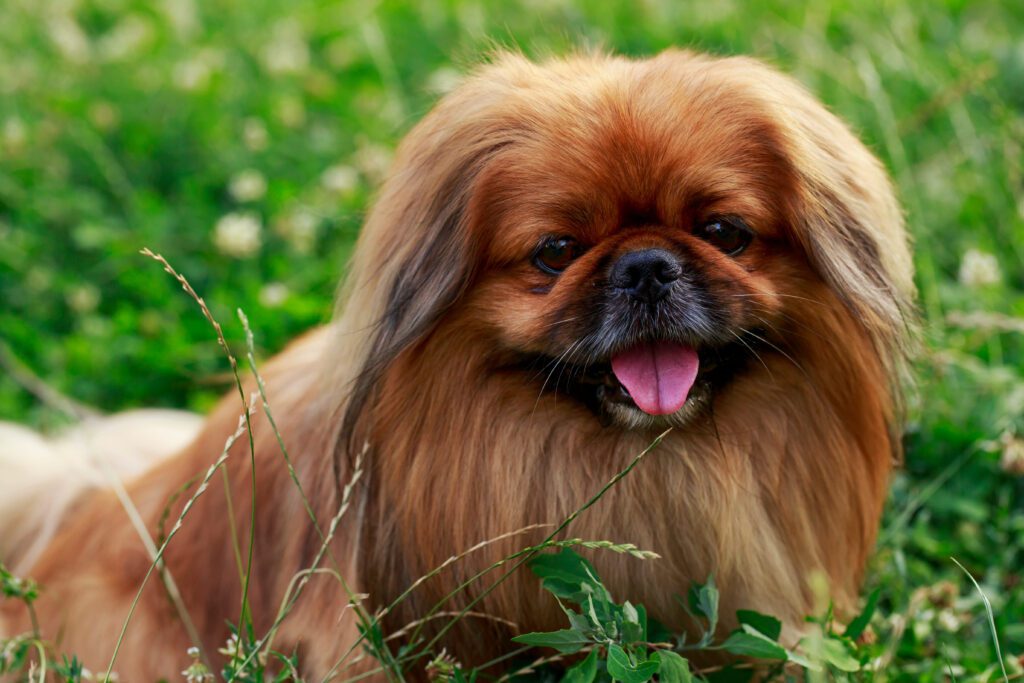

The Pekingese is a charming companion with a dignified presence, a loyal heart, and a strong bond with family. This small breed enjoys short strolls and long naps, and it thrives in a quiet home that offers steady routines. A Pekingese has a luxurious double coat and a confident personality, and it rewards patient training with affectionate devotion.
Thoughtful research sets you and your dog up for success. A Pekingese needs daily coat care, regular grooming, careful weight management, and close attention during warm weather. Adoption is a kind choice because it gives a dog a second chance and supports responsible care. Many adoptable Pekingese already receive core veterinary services, which makes adoption more affordable and more humane than buying. West Virginia’s climate brings humid summers and chilly winters, and the state’s rolling hills reward scenic walks while still favoring an indoor lifestyle that suits this breed.
West Virginia’s geography includes wooded trails, winding roads, and steep grades, so you should plan gentle, level walks and avoid overexertion. A Pekingese has a flat face and short legs, which means it handles heat and heavy inclines poorly. Air conditioning, shade, and slow-paced outings keep this breed safe and content.
You can avoid searching rescues and shelters one by one by starting with Dog Academy. You can browse adoptable Pekingese across West Virginia in one place, use filters to match your lifestyle, and read clear profiles that explain history, health, and temperament. You can also use Dog Academy guides and adoption checklists to prepare your home and plan your first weeks together.
Adoptable Pekingese appear at local animal shelters, regional rescues, and breed-specific rescue groups. You can browse listings, follow each group’s instructions, and ask questions about medical history, personality, and daily needs. When you find a possible match, you can submit an application that explains your schedule, home setup, and experience. Many groups ask for landlord approval when you rent, veterinary references for current pets, and a government-issued ID to verify your identity.
After you apply, coordinators review your information and schedule a phone interview to discuss expectations. Approval timelines vary by group, but most applicants in West Virginia receive an initial response within 3 to 14 days. Next steps often include a meet-and-greet with the dog, which may be at a shelter, a foster home, or a neutral location. If you have resident pets or children, the group may ask for a careful introduction to confirm a safe fit.
Many organizations complete a home check before final approval. A home check is a quick review that confirms safe fencing, stable stairs or ramps, and a calm area for rest. Home checks may be virtual or in person, and coordinators use them to offer setup tips that help your new dog settle smoothly. Some rescues arrange transport to move dogs between locations when a good match is outside your area. Transport is a coordinated trip that brings a dog from a foster or shelter to an approved adopter, and it usually occurs on a set schedule with safety protocols.
|
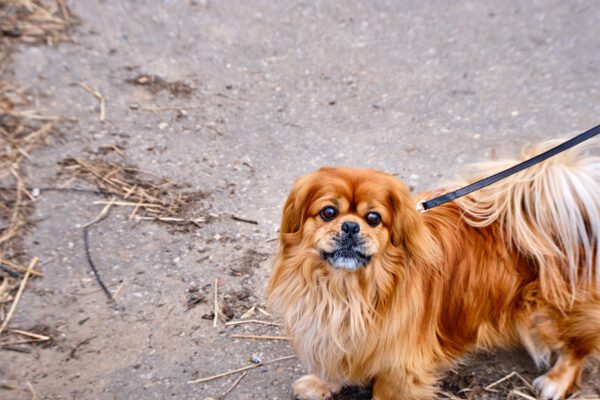
How Much Does It Cost to Adopt a Pekingese in West Virginia?Most adopters in West Virginia pay $150 to $350 to adopt a Pekingese. Younger dogs and dogs with recent veterinary work usually fall near $250 to $350. Senior dogs and dogs with ongoing needs may be closer to $150 to encourage thoughtful adopters. Fees reflect services already provided, which often include spaying or neutering, vaccinations, microchipping, and veterinary exams. Costs also rise when a dog receives dental cleanings, eye care, or grooming before adoption. Age, training, and local demand can influence fees, and breed-specific groups may charge more when they invest in specialized medical care common to flat-faced dogs. |
How Should I Train a Pekingese?A Pekingese is intelligent and observant, but it can be independent. Short sessions, clear goals, and gentle handling work best. You should use positive reinforcement with soft treats and warm praise, because this breed responds to kindness and shuts down with harsh corrections. You should keep sessions to 5 to 10 minutes and end on a success to build confidence. House training improves with a consistent schedule, frequent outdoor trips, and clean management indoors. Leash manners and a reliable recall help a Pekingese move safely at a relaxed pace. You should teach a quiet cue to manage watchdog barking and reward calm behavior at the door. You should also practice handling skills for brushing, face wiping, and nail care so grooming becomes a calm routine instead of a struggle. You can build skills at home with Dog Academy’s online training courses. Step-by-step lessons cover puppy foundations, polite leash walking, crate training, socialization, and problem-solving for barking and house training. The clear structure keeps sessions short and fun, which suits the Pekingese mindset. |
|
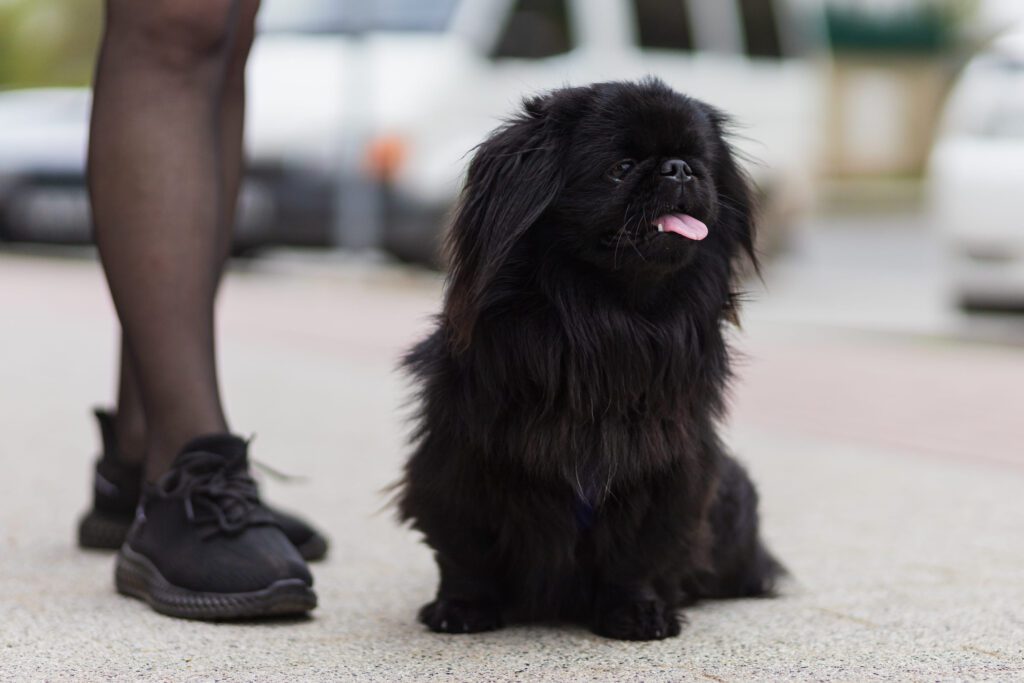
The right home for a Pekingese is calm, consistent, and close to family life. This breed suits apartments and single-family homes, and it thrives with owners who enjoy short walks, quiet evenings, and regular grooming. Households with older children and gentle handling habits often fit best.
Preparation makes adoption smooth. You should set up a draft-free sleep area, add ramps for stairs and couches, and keep cooling options ready for summer. You should gather grooming tools, schedule a veterinary visit, and plan time off during the first week to help the dog settle. When you take a thoughtful pace, research carefully, and use expert resources, you can adopt a Pekingese in West Virginia with confidence and welcome a loyal companion for years to come.

Introducing a new puppy to your current dog is often an exciting process, and many dogs will become fast friends and eas...
Read More
Rescue dogs can make great companions and can transform your home into something better. These dogs make great pets and ...
Read More
You should never rush to pet a dog. Even dog owners make the mistake of approaching unfamiliar dogs and petting them rig...
Read More
Puppy mill dogs are survivors who have endured extreme hardships in their lives. They have grown up in horrendous, unsan...
Read More
With their wagging tails and comforting presence, adopting a dog can add a unique touch to your life. It’s a heart...
Read More
Older dogs may have a few gray hairs around the edges, but that doesn’t mean they can’t make wonderful companions! T...
Read More