


























































































































































































Introducing a new puppy to your current dog is often an exciting process, and many dogs will become fast friends and eas...
Read MoreAdopt Me

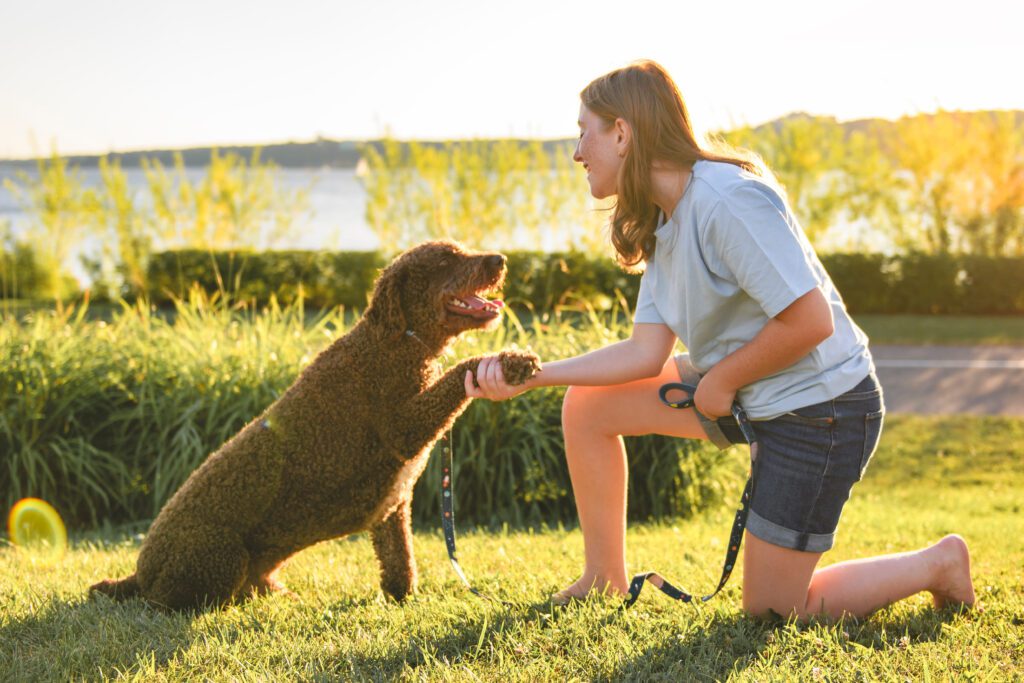


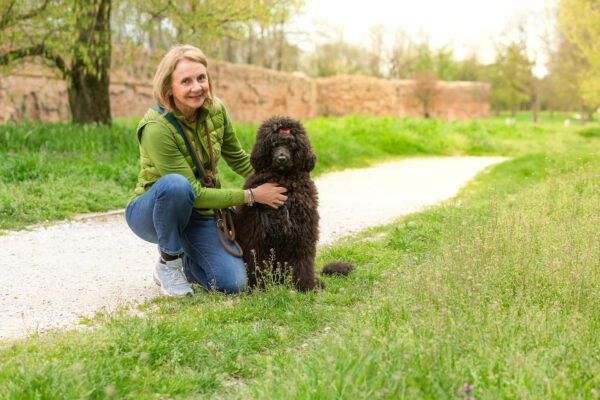
The Portuguese Water Dog is athletic, affectionate, and very smart. This breed loves swimming and thrives on daily adventure. A well-bred coat sheds very little and needs steady grooming. Many families choose this breed for its lively spirit, strong bond with people, and eagerness to learn.
Thoughtful research matters before you adopt a Portuguese Water Dog in West Virginia. Adoption gives a deserving dog a fresh start and opens a space for the next dog in need. You also gain a partner that has often received veterinary care and a behavior assessment before placement. Buying can feel faster, yet adoption usually supports better welfare and often brings more history on the dog’s needs.
West Virginia offers forests, hills, and wide rivers that suit an adventurous water dog. Summers are warm and humid, which calls for shade and steady hydration during exercise. Winters can be cold and snowy in the mountains, so you should dry and warm your dog after swimming. Active households that hike, fish, or enjoy long walks will find this breed a strong match. Apartment living can also work when you meet daily exercise and training needs.
You can avoid searching rescues and shelters one by one by using Dog Academy. Dog Academy lists adoptable dogs from many sources so you can browse in one place. You can also use Dog Academy guides and adoption checklists to prepare your home, plan your first week, and set training goals.
Start with local animal shelters, regional rescues, and breed-specific rescue groups. Many adoptable dogs live in foster homes across the state and the broader Appalachian region. Some rescues arrange transport to move dogs between states when a great match appears. Transport is often organized by rescue teams that coordinate volunteer drivers or licensed carriers, and a small fee may apply to cover safe travel.
The process begins with browsing listings and reading each bio with care. Next you submit an application that shares your experience, schedule, home setup, and current pets. Many groups request references, landlord approval for renters, and a veterinarian contact. A coordinator reviews your application and schedules a phone interview to confirm that you understand the breed’s energy level, grooming needs, and training plan.
Approved applicants meet the dog at the shelter or in the foster home. Families with pets arrange a slow, supervised introduction to check compatibility. Some groups complete a home check either in person or by video to confirm safety, secure fencing when needed, and a plan for exercise. Timelines vary, yet most placements in West Virginia take 3 to 14 days after application when communication stays prompt. Puppies and high-demand dogs can take longer due to multiple applicants. Prepare in advance with a crate, high-value treats, a flat collar, a sturdy leash, food that suits your dog’s age, and a first vet appointment within 7 days of adoption.

|
How Much Does It Cost to Adopt a Portuguese Water Dog in West Virginia?Expect most adoption fees in West Virginia to range from $250 to $600 for a Portuguese Water Dog. Shelters in smaller communities often charge near the lower end. Breed-focused rescues that provide extensive medical care and training often charge near the higher end. Puppies, recent grooming, and high demand can increase fees, while seniors and special-needs dogs may cost less. Fees usually include spaying or neutering, vaccinations, microchipping, and veterinary exams. Many groups also provide heartworm testing, deworming, and a basic behavior assessment. Costs rise when a dog needs dental work, orthopedic care, or professional training. You pay for quality care up front, which reduces surprise expenses after you bring your dog home. |
How Should I Train a Portuguese Water Dog?The Portuguese Water Dog is bright, social, and quick to learn. This breed responds best to positive reinforcement that uses food rewards, toys, and clear timing. Short sessions keep focus high. Mix obedience, retrieving, and scent games to challenge both body and mind. Consistency builds trust and reduces frustration. Common challenges include jumping with excitement, mouthy play, pulling on leash, and chasing wildlife near rivers or trails. Teach polite greetings, loose-leash walking, and a rock-solid recall from day one. Use impulse-control skills like sit, wait, and leave it during daily routines. Crate training supports restful sleep and helps prevent separation stress. Grooming practice matters for this breed, so teach calm stand-stays for brushing and clipping. If you want a step-by-step plan, try Dog Academy’s online training courses for puppy foundations, leash skills, recall, and cooperative care. |
|
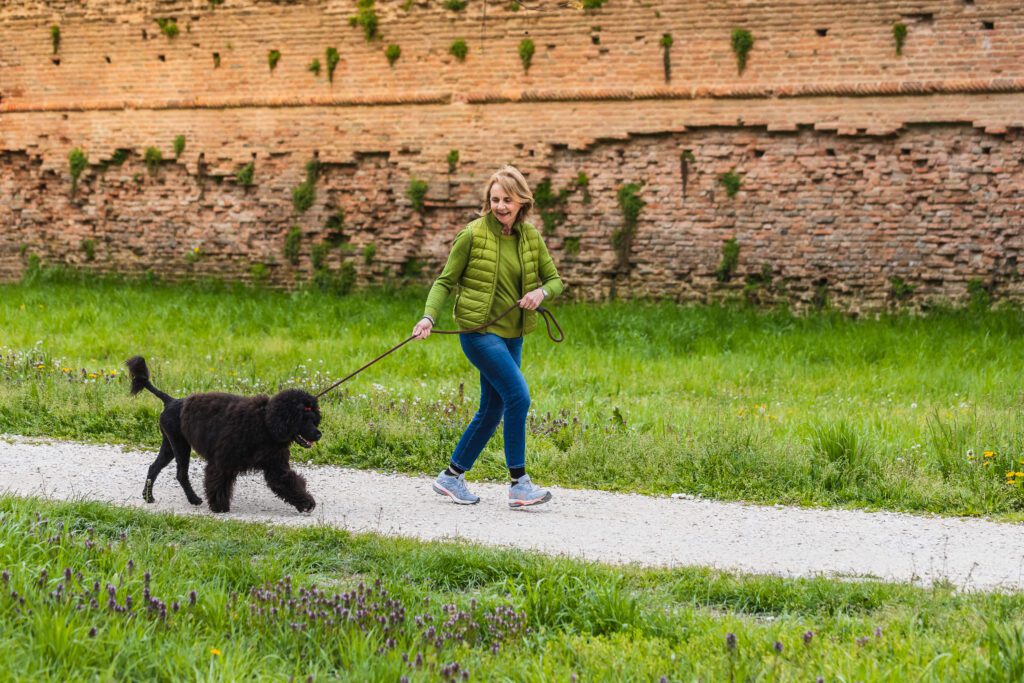
The ideal adopter enjoys daily exercise, steady training, and time near water or trails. Families that value structure and enrichment will help this breed thrive. A fenced yard can help, yet commitment to walks and training matters more than space alone.
Prepare your home, learn the breed’s needs, and move at a thoughtful pace. When you feel ready, search adoptable dogs through Dog Academy, review each profile with care, and choose the dog that fits your energy, schedule, and goals. With patience and consistency, your new Portuguese Water Dog will shine in West Virginia.

Introducing a new puppy to your current dog is often an exciting process, and many dogs will become fast friends and eas...
Read More
Rescue dogs can make great companions and can transform your home into something better. These dogs make great pets and ...
Read More
You should never rush to pet a dog. Even dog owners make the mistake of approaching unfamiliar dogs and petting them rig...
Read More
Puppy mill dogs are survivors who have endured extreme hardships in their lives. They have grown up in horrendous, unsan...
Read More
With their wagging tails and comforting presence, adopting a dog can add a unique touch to your life. It’s a heart...
Read More
Older dogs may have a few gray hairs around the edges, but that doesn’t mean they can’t make wonderful companions! T...
Read More