


























































































































































































Introducing a new puppy to your current dog is often an exciting process, and many dogs will become fast friends and eas...
Read MoreAdopt Me

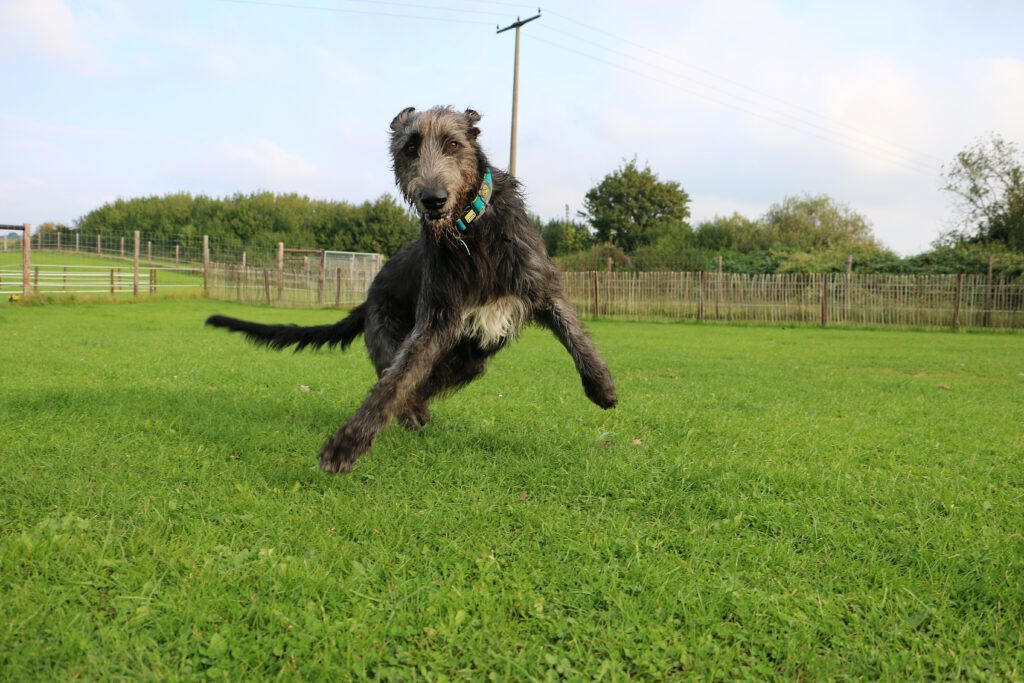


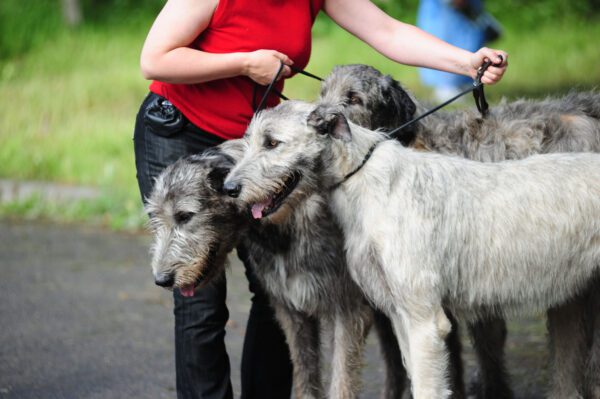
The Irish Wolfhound is a gentle giant with a calm spirit and a soft heart. This sighthound is dignified, affectionate, and famously patient. Many Irish Wolfhounds love quiet time with their families and enjoy unhurried strolls far more than intense workouts. Their size is imposing, yet their nature is tender, which makes them a wonderful companion for people who want a relaxed and loyal dog.
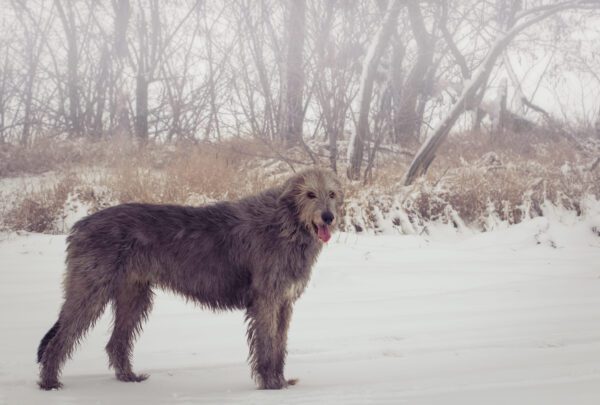
Thoughtful research matters before you bring home an Irish Wolfhound. This breed grows quickly, reaches a very large adult size, and matures slowly. West Virginia’s rolling hills and open spaces can suit this dog well, especially when a home has a securely fenced yard. Summers in West Virginia are warm and humid, so shade, fresh water, and rest breaks are essential. Winters can be cold in the mountains, which means a warm indoor space and limited time on icy surfaces help keep joints comfortable.
Adoption is a kind choice that gives a dog a second chance while supporting local animal welfare. Many adoptable Irish Wolfhounds or mixes already receive basic veterinary care and some training. Adopting also positions you to work with counselors who care about matching a dog’s needs with your lifestyle. With patience and good guidance, you can find the right fit in West Virginia or nearby regions.
You can skip searching shelters and rescues one by one by starting with Dog Academy. Dog Academy lists adoptable dogs from multiple sources in one place, which saves time and reduces stress. You can also use Dog Academy’s educational guides and adoption checklists to prepare your home, plan your budget, and understand what to ask during your meet-and-greet.
In West Virginia, adoptable Irish Wolfhounds may appear through local animal shelters, regional rescues, and breed-specific rescue groups that serve surrounding states. Availability changes often, and large sighthounds can be rare. Set alerts, check listings daily, and consider a wider search radius to improve your chances.
The process usually begins by browsing listings and submitting an application. Applications often ask for details about your household, schedule, fencing, and experience with large or sensitive breeds. Many groups request veterinary references and landlord permission when relevant. After an initial review, you schedule a meet-and-greet with the dog and any current pets to confirm that energy levels and social styles align. A home check is common and can be done in person or by video to confirm safety, space, and secure containment. Some organizations offer a foster-to-adopt period to ensure a smooth transition.
Approval timelines vary based on demand and how quickly you complete each step. Straightforward adoptions can finish in 3 to 10 days, while special cases can take longer. If the right match is in another location, rescues sometimes arrange transport to move dogs between states. Transport is coordinated by volunteers or professional carriers, and it typically includes a health certificate and a planned meeting point so you can pick up your new companion safely.
|
How Much Does It Cost to Adopt a Irish Wolfhound in West Virginia?In West Virginia, adoption fees for an Irish Wolfhound typically range from $150 to $400 for most adult dogs. Puppies and young adults are less common and often cost $300 to $600. Fees in West Virginia are influenced by the local cost of living and by the higher medical expenses that come with giant breeds. Costs usually include spaying or neutering, vaccinations, microchipping, and veterinary exams. Several factors can raise or lower the fee. Age and demand influence pricing, with puppies and rare purebred intakes often costing more. Pre-adoption training can raise the fee when a dog has completed basic manners or leash work. Medical care also affects cost, especially if the dog received treatment for injuries, dental issues, or gastrointestinal care. When you budget, plan for ongoing costs like quality giant-breed food, a large crate, and appropriately sized beds and collars. |
How Should I Train a Irish Wolfhound?The Irish Wolfhound is intelligent, sensitive, and eager to please when training stays calm and consistent. Positive reinforcement works best with this breed. Reward quiet attention, gentle leash manners, and relaxed greetings with small treats and praise. Because many Wolfhounds have a strong prey drive, start recall training early and practice on a long line in secure areas. Keep sessions short and upbeat to protect joints and keep your dog engaged. Focus on foundation skills that make daily life easy. Teach loose-leash walking, stationing on a mat, and waiting at doors. Introduce calm exposures to friendly people and well-behaved dogs so your Irish Wolfhound practices polite social skills. Handling practice for nails, ears, and grooming helps this giant feel safe during care. Crate training and car manners support safe travel and restful downtime. If you want expert guidance, explore Dog Academy’s online training courses. Step-by-step lessons show you how to build reliable recall, prevent pulling, and teach manners that suit a giant breed. You can train at home on your schedule while following clear, humane methods that set your Irish Wolfhound up for success. |
|
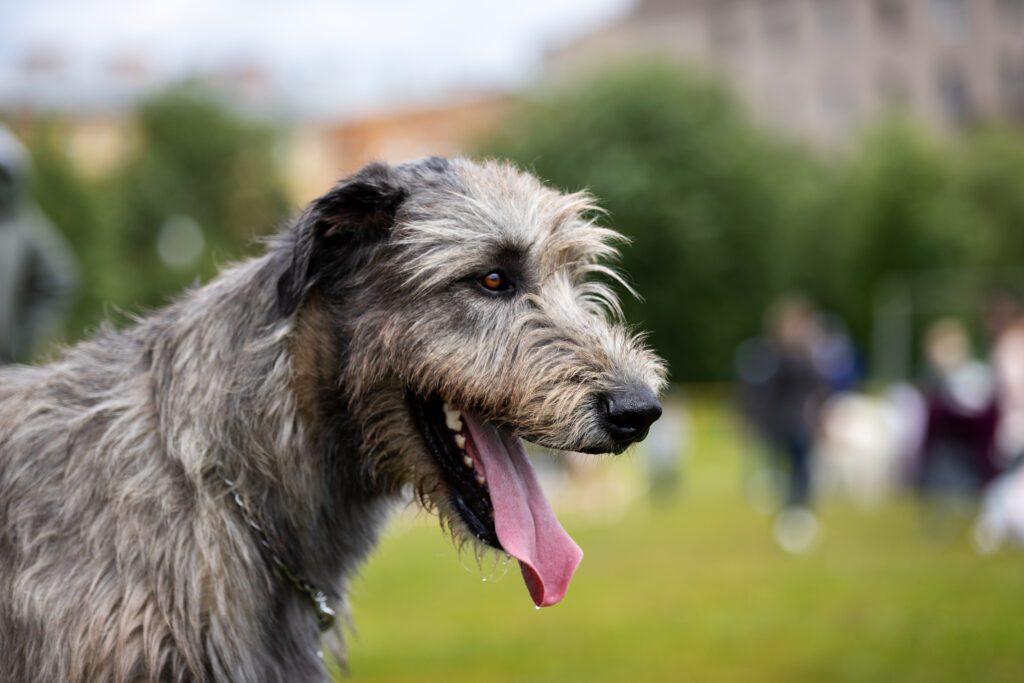
The ideal home for an Irish Wolfhound offers steady routines, gentle handling, and enough space for a very large dog to stretch out. A securely fenced yard is helpful, daily walks are important, and a quiet indoor environment supports this breed’s calm nature. Owners should be ready for giant-breed costs and committed to regular training that builds confidence and safety.
Take your time, prepare your home, and ask thoughtful questions during the process. When you are ready to adopt, begin with comprehensive listings and clear guidance so you can match confidently and bring home the right companion for your life in West Virginia.

Introducing a new puppy to your current dog is often an exciting process, and many dogs will become fast friends and eas...
Read More
Rescue dogs can make great companions and can transform your home into something better. These dogs make great pets and ...
Read More
You should never rush to pet a dog. Even dog owners make the mistake of approaching unfamiliar dogs and petting them rig...
Read More
Puppy mill dogs are survivors who have endured extreme hardships in their lives. They have grown up in horrendous, unsan...
Read More
With their wagging tails and comforting presence, adopting a dog can add a unique touch to your life. It’s a heart...
Read More
Older dogs may have a few gray hairs around the edges, but that doesn’t mean they can’t make wonderful companions! T...
Read More