


Introducing a new puppy to your current dog is often an exciting process, and many dogs will become fast friends and eas...
Read MoreAdopt Me

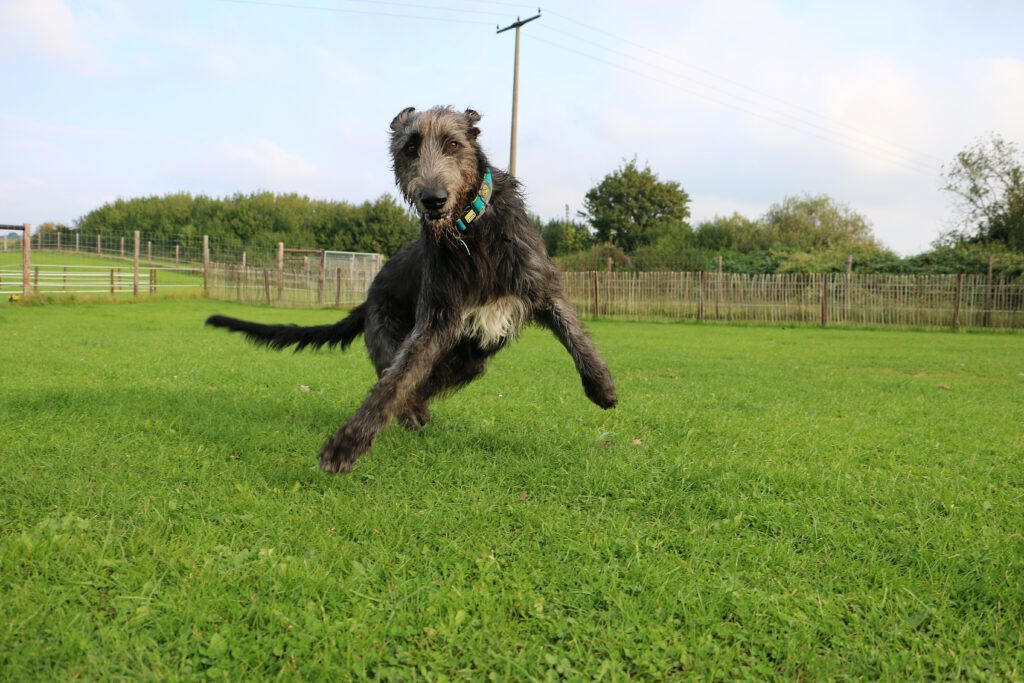
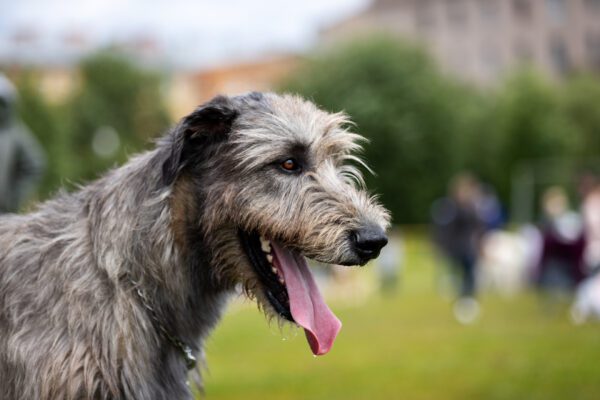
The Irish Wolfhound is a classic gentle giant. Tall, dignified, and deeply affectionate, this sighthound thrives on close companionship. Most are calm indoors, soft-natured with family, and polite with strangers. If you value a steady, people-focused dog with a noble presence, adopting an Irish Wolfhound can be very rewarding.
The adoption process usually starts with research, then an application. You will share details about your home, schedule, fencing, other pets, and experience with giant breeds. Expect a phone interview, vet and reference checks, and a home visit. Many groups match dogs carefully, so patience is essential. You may be placed on a waiting list, especially if you have specific preferences for age or sex.
Finding an available Irish Wolfhound can be challenging. They are uncommon in shelters, and breed-specific rescues place dogs thoughtfully. Start by browsing curated adoption listings on Dog Academy. Dog Academy gathers verified listings and updates them often, which makes it easier to find available Irish Wolfhound dogs without combing through dozens of unrelated posts. Also keep an eye on local shelters and regional sighthound rescues, and consider applying with breed-club rescue programs in your area.
Plan your budget before you adopt. Most Irish Wolfhound rescue groups charge about $350 to $650, which reflects spay or neuter, vaccinations, microchipping, and giant-breed medical costs. Municipal shelters are often lower, typically $150 to $300. Fees vary by age, health, and geography. Puppies and dogs who received recent specialty care may be at the higher end.
Thorough breed research matters. An Irish Wolfhound grows fast and reaches a very large size. Housing, transport, feeding, and veterinary costs will be higher than average. With preparation and the right training plan, the transition into your home can be smooth and enjoyable.
Give your new dog a quiet first week. Set up a large, comfy resting area, stable flooring, and clear routines for meals, walks, and potty breaks. Many Irish Wolfhounds are sensitive and will blossom with calm handling and predictable structure. Introduce family and pets slowly. Avoid stairs and slippery surfaces until your dog is confident. For adolescents, protect growing joints by limiting high-impact play.
Exercise needs are moderate. Plan 2 to 3 relaxed walks daily plus short chances to stretch in a secure area. As a sighthound, an Irish Wolfhound may chase wildlife, so practice reliable recall only in fenced or enclosed spaces. Keep sessions short and upbeat. Use reward-based training with gentle guidance. Focus on leash manners, polite greetings, impulse control, and a solid recall. Socialization to different people and environments builds confidence.
Feed a high-quality large-breed diet. Divide meals into 2 or 3 portions and avoid vigorous activity for 1 hour before and after eating. A slow-feed bowl and raised stand set at a comfortable height can support relaxed eating. Their rough coat needs a weekly brush to remove dead hair and reduce tangles. Light hand stripping or a tidy trim a few times per year keeps the coat neat. Check ears weekly, keep nails short, and maintain dental care.
For expert-led help, use Dog Academy’s online and in-person training. Programs are self-paced, supportive, and tailored to giant breeds. You will learn practical skills, from loose-leash walking with a powerful dog to recall games that work for sighthounds.
|
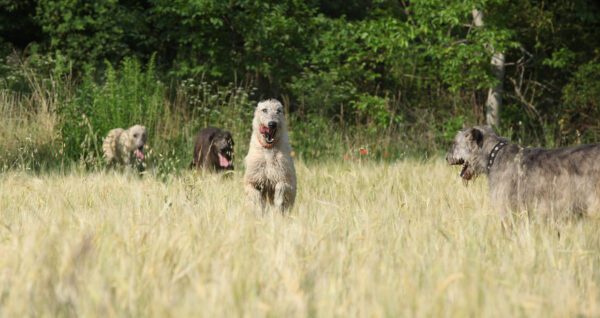
Is It a Good Idea to Adopt an Irish Wolfhound As Your First Dog?It can be, if you prepare well. Irish Wolfhounds are typically gentle, patient, and eager to please. Their energy level is low to moderate, which suits many households. Training is not hard, but it does require consistency and a soft touch. Their size adds real responsibility. Even a friendly lunge can pull an unprepared handler. You will also need ample space, a strong commitment to early socialization, and a budget for giant-breed care. First-time owners succeed when they plan ahead and get guidance. Start training right away, keep sessions short, and reward calm choices. Leash skills and recall are top priorities. Dog Academy’s online and in-person training gives new owners a clear path, with step-by-step lessons and professional coaching to solve problems early. |
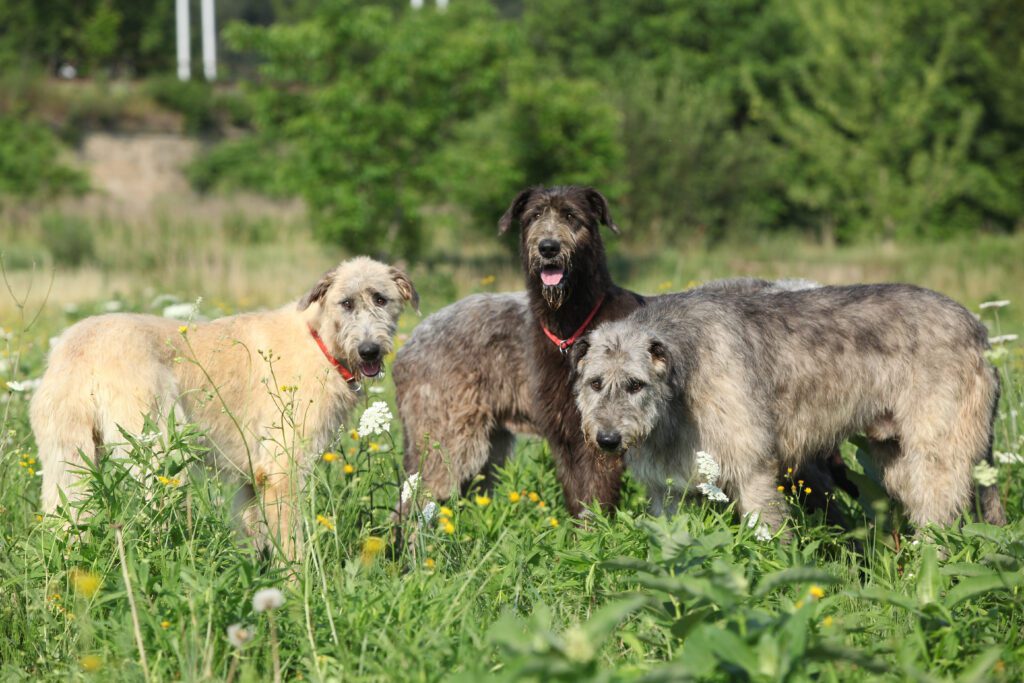
Adopt the Right Irish Wolfhound for YouTake time to understand the breed’s needs, your lifestyle, and your budget. An Irish Wolfhound offers unwavering companionship, yet their size, health considerations, and training needs deserve thoughtful planning. With the right setup and routine, this gentle giant becomes a steady, loving member of the family. Use Dog Academy to explore curated Irish Wolfhound adoption listings and find a good match. Then build long-term success with Dog Academy’s online and in-person training and expert guidance. With clear expectations and consistent support, you can adopt with confidence and enjoy life with a wonderful Irish Wolfhound. |
|

Introducing a new puppy to your current dog is often an exciting process, and many dogs will become fast friends and eas...
Read More
Rescue dogs can make great companions and can transform your home into something better. These dogs make great pets and ...
Read More
You should never rush to pet a dog. Even dog owners make the mistake of approaching unfamiliar dogs and petting them rig...
Read More
Puppy mill dogs are survivors who have endured extreme hardships in their lives. They have grown up in horrendous, unsan...
Read More
With their wagging tails and comforting presence, adopting a dog can add a unique touch to your life. It’s a heart...
Read More
Older dogs may have a few gray hairs around the edges, but that doesn’t mean they can’t make wonderful companions! T...
Read More