


Introducing a new puppy to your current dog is often an exciting process, and many dogs will become fast friends and eas...
Read MoreAdopt Me

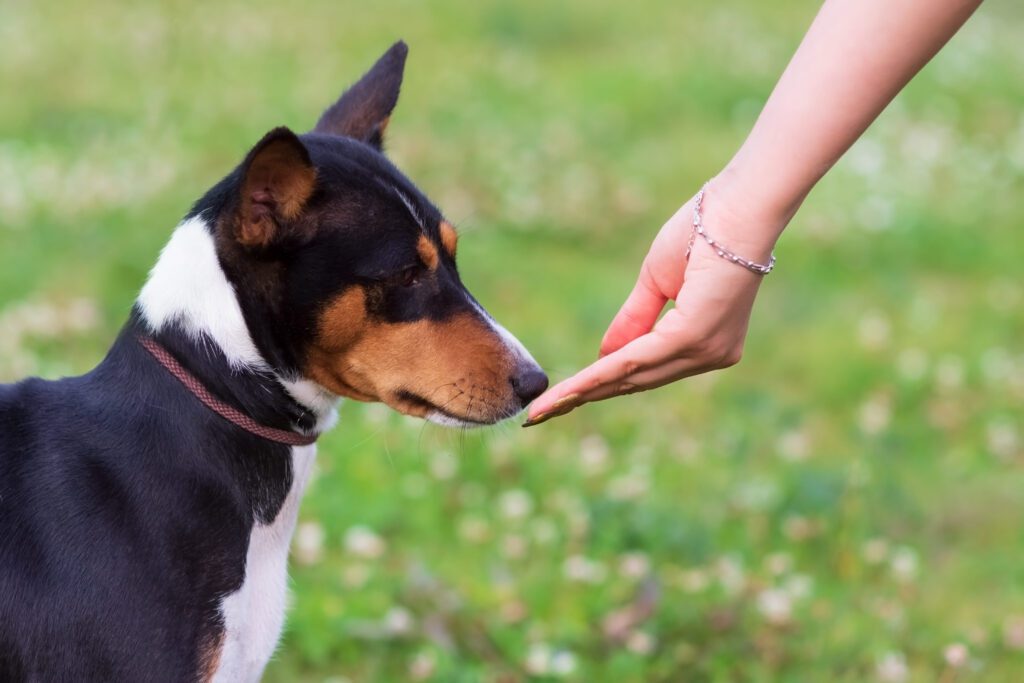
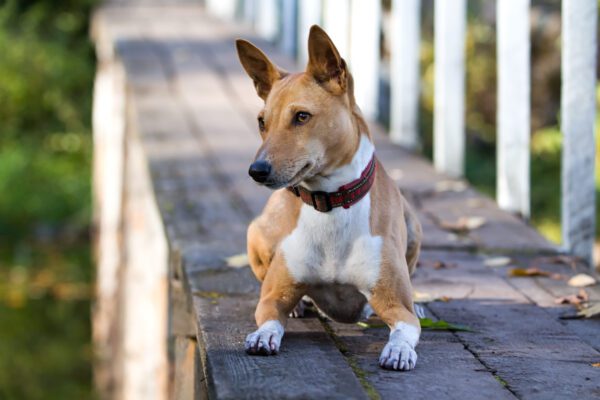
The Basenji is a distinctive companion. Many people love this breed for its quiet nature, tidy habits, and catlike grace. Basenjis rarely bark, yet they are expressive and playful with their families. They are athletic, curious, and clean, which makes them appealing to active households that appreciate a low-shedding dog. Because Basenjis are independent thinkers, research is essential before you adopt so you know how to set them up for success.
To adopt a Basenji, start by exploring reputable sources. Breed-specific rescues, all-breed rescues, and municipal shelters are the most common paths. You can browse curated adoption listings on Dog Academy. Our team reviews and organizes available Basenjis from trusted partners, which makes it easier to spot a good match and avoid outdated or misleading posts.
Basenjis are less common than many breeds, so availability can be limited. You might see waiting lists with breed-specific rescues, especially for young adults. Typical steps include an application, a conversation about your lifestyle, reference checks, and sometimes a virtual or in-person home visit. Many groups arrange a meet-and-greet, and some offer a trial adoption to ensure a good fit. Stay flexible on age, color, and sex to increase your chances of finding the right dog.
Expect adoption fees that reflect the breed’s rarity and the rescue’s veterinary investments. Breed-specific rescues often charge about $300 to $600. All-breed shelters are usually lower, about $100 to $250. Fees vary based on age, location, medical care, and whether the dog has received procedures like spay or neuter, dental work, or treatment for parasites. Budget for initial supplies and possible transport costs as well. Careful planning and a realistic budget help you adopt with confidence.
After you bring a Basenji home, give structure and calm. Provide a quiet space with a crate or bed, keep a simple routine, and limit overwhelming introductions in the first days. Many Basenjis are affectionate with their families yet cautious with strangers. Expect some house-training touch-ups and teach alone time early to avoid problem behaviors. Daily exercise is vital. Plan 60 to 90 minutes of activity split between brisk walks, controlled off-leash play in secure areas, and enrichment like scent games or flirt pole sessions. Reliable off-leash recall is difficult for most Basenjis due to a strong chase drive, so use fenced spaces and keep a leash outdoors.
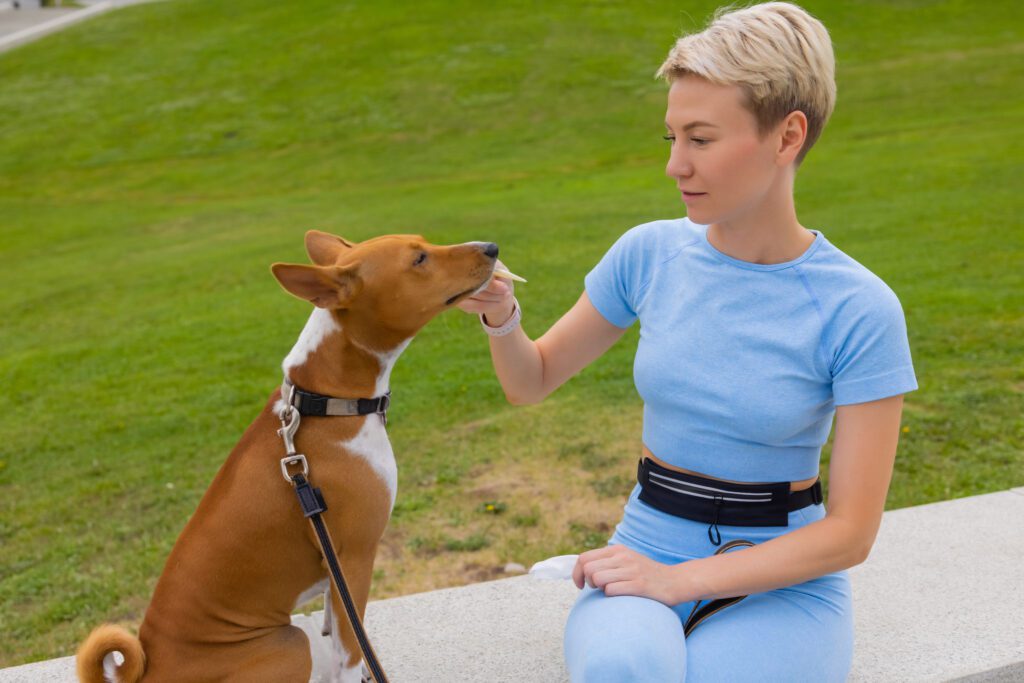
Training works best with rewards and clear boundaries. Use food, toys, and praise to reinforce sits, stays, recalls, and polite leash walking. Keep sessions short and fun to match the breed’s independent mind. Consistency prevents door dashing, counter surfing, and chewing. For expert support, enroll in Dog Academy’s online and in-person training. Our instructors understand Basenji temperament and will guide you through impulse control, recall strategies, and enrichment that satisfies natural instincts. Grooming needs are light. Brush the short coat weekly, trim nails every 2 to 3 weeks, and clean ears as needed. Many Basenjis are tidy and have little doggy odor, yet they still need regular dental care. Feed a high-quality diet with measured portions to maintain a lean, athletic build. Monitor treats during training to keep calories in check.
|
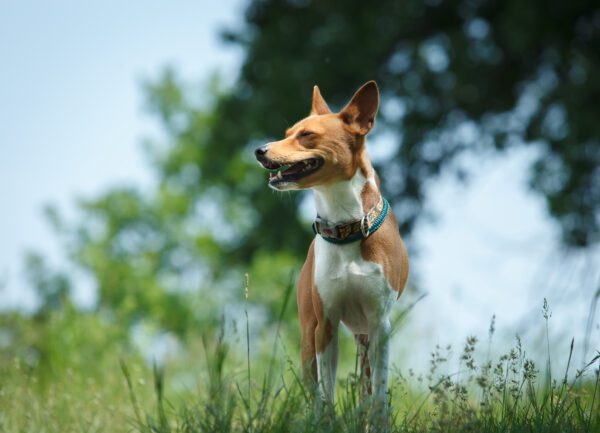
Is It a Good Idea to Adopt a Basenji As Your First Dog?A first-time owner can thrive with a Basenji if they enjoy training and daily activity, but this breed is not the easiest starter dog. Basenjis are intelligent and independent, which can feel stubborn without a plan. They need consistent reward-based training, steady rules, and good management like secure fencing and supervised doorways. Energy and mental needs are moderate to high, and they can become bored if under-stimulated. Physical handling is manageable since most weigh under 30 pounds, yet they are quick and agile, so leash skills matter. New owners do well when they commit to structure and enroll in Dog Academy training early. We provide step-by-step coaching that helps prevent issues and builds reliable manners. |
Adopt the Right Basenji for YouAdopting a Basenji is rewarding when you prepare. Understand the breed’s quiet style, curiosity, and independence. Plan for daily exercise, enrichment, and positive training. Browse curated Basenji listings on Dog Academy to find available dogs from trusted sources, then lean on our expert guidance to choose the right match. With thoughtful planning and the support of Dog Academy’s training programs, you can bring home a confident companion and enjoy long-term success together. |
|

Introducing a new puppy to your current dog is often an exciting process, and many dogs will become fast friends and eas...
Read More
Rescue dogs can make great companions and can transform your home into something better. These dogs make great pets and ...
Read More
You should never rush to pet a dog. Even dog owners make the mistake of approaching unfamiliar dogs and petting them rig...
Read More
Puppy mill dogs are survivors who have endured extreme hardships in their lives. They have grown up in horrendous, unsan...
Read More
With their wagging tails and comforting presence, adopting a dog can add a unique touch to your life. It’s a heart...
Read More
Older dogs may have a few gray hairs around the edges, but that doesn’t mean they can’t make wonderful companions! T...
Read More