

























































































































































































Introducing a new puppy to your current dog is often an exciting process, and many dogs will become fast friends and eas...
Read MoreAdopt Me

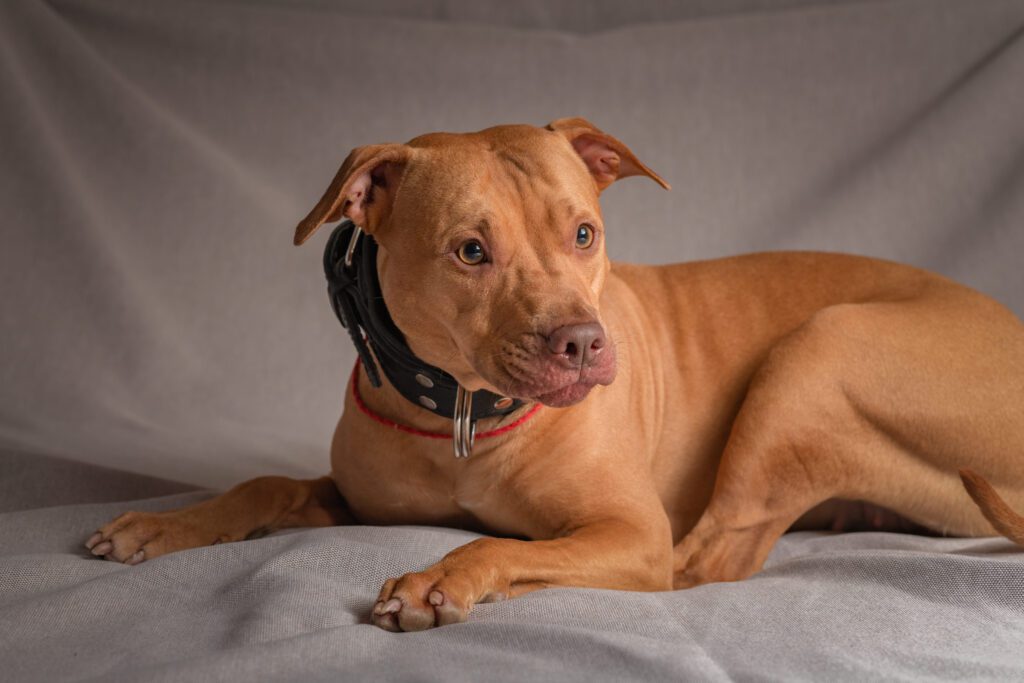


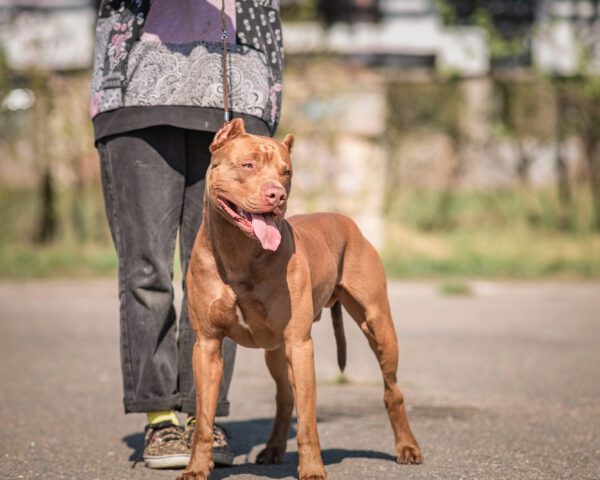
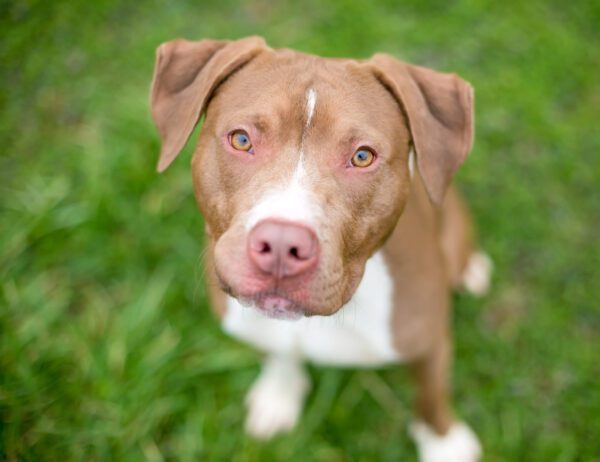
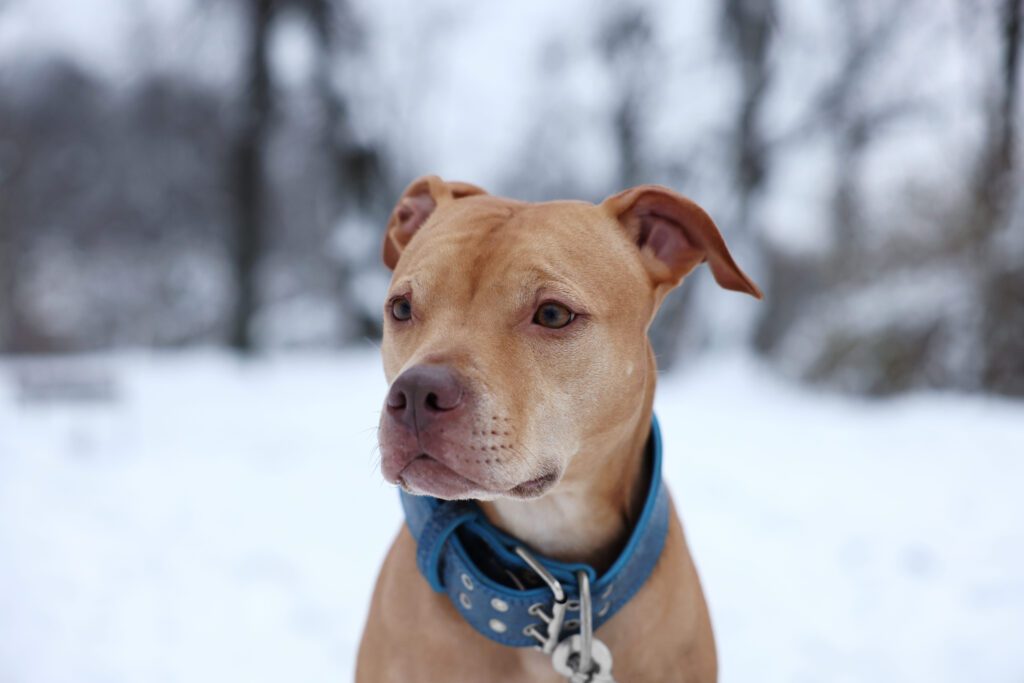
A Red Nose Pitbull is affectionate, athletic, and eager to please. This dog bonds deeply with people and thrives on structure and play. The breed is known for confidence and resilience when guided with kind, consistent training. A well socialized Red Nose Pitbull can be a steady companion for active owners who enjoy walks, hikes, and quality time at home.
Research matters before you adopt. Understanding exercise needs, training goals, and daily routines helps you welcome the right dog for your lifestyle. Adoption is preferable to buying because you give a dog a second chance and you support responsible rehoming. Adopted dogs usually come vetted and evaluated, which makes the transition smoother for both of you.
West Virginia suits this breed when owners plan for climate and terrain. Summers are warm and humid, so you schedule walks in cooler hours and provide shade and water. Winters can be cold, especially in higher elevations, so a snug coat and limited exposure help a short-haired dog stay comfortable. The state’s hills and trails offer great enrichment. Rural properties and wildlife mean you use secure fencing and reliable leashes. Some housing providers or insurers place breed restrictions, so you review local rules before you bring a dog home.
You can skip searching rescues and shelters one by one by using adoption listings through Dog Academy. You browse Red Nose Pitbulls from local animal shelters, regional rescues, and breed-specific rescue groups in one place. You filter by location, age, and size. You also find helpful educational guides and checklists that prepare you for interviews, home checks, and the first week at home.
Adoptable Red Nose Pitbulls appear through local animal shelters, regional rescues, breed-specific rescue groups, and foster networks. Some groups work across state lines. When a dog is not nearby, rescues may arrange transport between locations. Transport often uses volunteer drivers or professional carriers, and groups coordinate health certificates and schedules to move dogs safely.
The process begins with browsing listings to find a good match. You submit an application that covers your household, schedule, fencing or leash plans, veterinary history, and landlord permission if you rent. Many groups schedule a phone or video interview. A meet-and-greet follows with all family members and any resident dogs, often in a neutral space. A home check may be virtual or in person. The goal is to confirm safe containment, a quiet rest area like a crate, and a plan for exercise and training.
Approval timelines vary by group and the dog’s readiness. Many adoptions complete in 3 to 14 days. If a dog still needs spaying or neutering, groups may finalize once surgery is complete or may use a contract that schedules the procedure. Clear communication with the coordinator keeps the process smooth and predictable.
|
How Much Does It Cost to Adopt a Red Nose Pitbull in West Virginia?In West Virginia, most adopters pay $100 to $350 to adopt a Red Nose Pitbull. Adults commonly range from $100 to $250, while puppies and highly in-demand young adults often range from $200 to $350. Fees reflect regional costs and support the care each dog receives. Most groups include spaying or neutering, vaccinations, microchipping, and veterinary exams in the fee, which adds real value compared to private rehoming. Pricing varies with age, training, medical care, and demand. Puppies and fully trained dogs tend to cost more due to higher demand and recent investment in care. Fees can change if a dog needs specialty treatment or extended foster care. Some groups reduce fees for seniors or bonded pairs and sometimes offer seasonal promotions. If transport is involved, groups may add separate transport fees to cover safe travel between locations. |
How Should I Train a Red Nose Pitbull?Red Nose Pitbulls are intelligent, people focused, and highly trainable. They respond best to positive reinforcement with clear markers, food rewards, and play. Focus on foundation skills like name recognition, sit, down, stay, come, and leave it. Teach loose-leash walking, polite greetings, and impulse control. Daily structure and short training sessions build calm confidence. Plan for 60 to 90 minutes of physical exercise paired with mental enrichment through puzzle toys, scent games, and obedience drills. Common challenges include pulling, jumping, mouthiness, and overexcitement around other dogs or wildlife. Early and ongoing socialization helps your dog navigate busy parks, quiet streets, and new indoor spaces. Reward calm behavior and create distance when your dog feels unsure. Use sturdy, well-fitted equipment and introduce crate time as a safe routine. For step-by-step guidance, explore Dog Academy’s online training courses, which cover puppy foundations, leash manners, confidence building, and preparation for community manners tests. |
|
The ideal owner is active, patient, and consistent. You enjoy daily exercise, clear routines, and kind training. You provide secure containment and supervised play. You plan for socialization and you commit to ongoing learning. With these habits, a Red Nose Pitbull becomes a devoted partner who fits well into life in West Virginia.
Prepare your home, set a budget for supplies and veterinary care, and take time to choose the right match. Move at a thoughtful pace and ask questions during each step. When you are ready, browse listings and use trusted guidance to adopt a Red Nose Pitbull in West Virginia with confidence.

Introducing a new puppy to your current dog is often an exciting process, and many dogs will become fast friends and eas...
Read More
Rescue dogs can make great companions and can transform your home into something better. These dogs make great pets and ...
Read More
You should never rush to pet a dog. Even dog owners make the mistake of approaching unfamiliar dogs and petting them rig...
Read More
Puppy mill dogs are survivors who have endured extreme hardships in their lives. They have grown up in horrendous, unsan...
Read More
With their wagging tails and comforting presence, adopting a dog can add a unique touch to your life. It’s a heart...
Read More
Older dogs may have a few gray hairs around the edges, but that doesn’t mean they can’t make wonderful companions! T...
Read More