




















































































































































































Introducing a new puppy to your current dog is often an exciting process, and many dogs will become fast friends and eas...
Read MoreAdopt Me


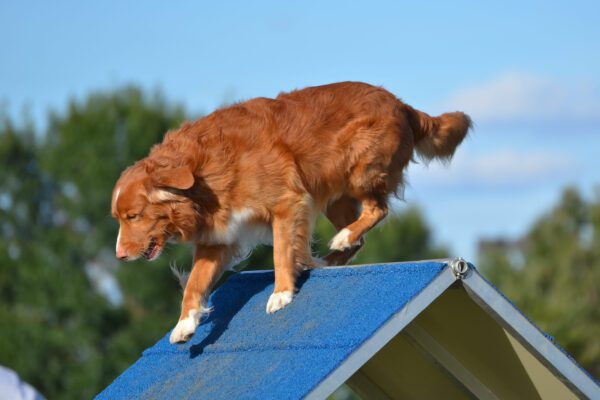
The Nova Scotia Duck Tolling Retriever is an energetic, intelligent, and affectionate companion. This breed loves to work, to retrieve, and to play water games. A Toller enjoys close bonds with family and often greets people with bright eyes and a wagging tail. The breed’s high drive and sharp mind reward consistent structure and daily enrichment.
Good research sets every adoption up for success. Understanding exercise needs, coat care, and temperament helps you match with the right dog. Adoption gives a deserving dog a fresh start and often includes important veterinary care. Adopting rather than buying also supports the rescue network that evaluates dogs and prepares them for new homes.
West Virginia suits the Toller lifestyle for many families. Four distinct seasons encourage varied outdoor activities. Mountain winters bring cold and snow, which the Toller’s double coat handles well. Warm summers in valleys invite early-morning hikes and swims in safe water. Forests, hills, and winding rivers provide room for scent games and recall training. Families should plan for daily outings and mental work, even on rainy days.
You can avoid searching multiple rescues and shelters separately by starting with Dog Academy. Dog Academy collects adoptable listings in one place and makes browsing easy. You also get educational guides and adoption checklists that help you prepare before you apply. You can then compare options through local animal shelters, regional rescues, and breed-specific rescue groups that serve West Virginia.
Begin by browsing listings and reading each profile in full. Look for notes about energy, social history, and medical needs. Contact the group that listed the dog and ask clear questions about behavior and daily routines. Clarify whether the dog lives in a foster home or a shelter kennel because lifestyle notes often differ between settings.
Most groups use an application that asks about your schedule, experience, home setup, and veterinarian information. Many groups request a phone interview and personal references. Landlords often receive verification calls when renters apply to adopt. Meet-and-greets usually happen at a neutral location or a foster home. Some groups schedule a home check, which can be virtual or in person, to confirm safety, fence status, and indoor containment plans.
Approval timelines vary by group size and volunteer availability. Simple applications can resolve in 1 to 2 weeks. Cases with behavior notes or medical follow-ups can take 2 to 3 weeks. Regional rescues sometimes arrange transport to move dogs between locations when a match is strong. Transport is often organized by volunteers or professional services that coordinate safe, scheduled trips with health documentation.

|
How Much Does It Cost to Adopt a Nova Scotia Duck Tolling Retriever in West Virginia?A realistic adoption fee for a Nova Scotia Duck Tolling Retriever in West Virginia is usually $300 to $600. Fees in this range reflect the breed’s rarity, strong demand, and the cost of care in the state. Younger dogs with recent veterinary work often land near the middle or upper end. Senior dogs or dogs with ongoing sponsorships can be lower. Fees typically include spaying or neutering, vaccinations, microchipping, and veterinary exams. Costs also reflect any dental cleanings, parasite treatments, or imaging when needed. Price can increase if the dog receives professional training or specialized medical care before adoption. Availability at the time of your search also affects pricing, because fewer Tollers in the region can raise demand. |
How Should I Train a Nova Scotia Duck Tolling Retriever?The Toller is quick, sensitive, and eager to learn. Positive reinforcement builds trust and keeps focus high. Short sessions with clear criteria work best. Reward sits, downs, recalls, and loose-leash walking with food, toys, or play. Use fetch, scent games, and water retrieves as high-value rewards that match the breed’s instincts. Common challenges include excitability, mouthing during play, vocalizing when frustrated, and intense interest in wildlife. Prevent problems by channeling energy into structured exercise and daily brain work. Teach impulse control through settle on a mat, leave it, and stay. Practice recall with long lines in safe areas, then reinforce success with high-value rewards and games. If you want step-by-step guidance, explore Dog Academy’s online training courses. Courses cover foundation skills, impulse control, recall, leash manners, crate training, and behavior troubleshooting. Clear lessons fit busy schedules and help the whole family stay consistent. |

|
The ideal Toller adopter enjoys daily activity and steady routines. Active singles, couples, and families who like hiking, swimming, or dog sports often thrive with this breed. A fenced yard helps but does not replace structured walks and training. Plan for brushing 2 to 3 times per week, heavier shedding during seasonal coat blows, and regular nail care. Set aside time for enrichment like puzzle feeders and retrieve games.
Preparation makes the transition smooth. Gather supplies before pickup, confirm a veterinary appointment, and set a training plan for the first 2 weeks. Move at your dog’s pace and build confidence through predictable routines. Take time to research, ask questions, and wait for a true match. When you adopt a Nova Scotia Duck Tolling Retriever in West Virginia, you give a smart, spirited partner the chance to thrive in a loving home.

Introducing a new puppy to your current dog is often an exciting process, and many dogs will become fast friends and eas...
Read More
Rescue dogs can make great companions and can transform your home into something better. These dogs make great pets and ...
Read More
You should never rush to pet a dog. Even dog owners make the mistake of approaching unfamiliar dogs and petting them rig...
Read More
Puppy mill dogs are survivors who have endured extreme hardships in their lives. They have grown up in horrendous, unsan...
Read More
With their wagging tails and comforting presence, adopting a dog can add a unique touch to your life. It’s a heart...
Read More
Older dogs may have a few gray hairs around the edges, but that doesn’t mean they can’t make wonderful companions! T...
Read More