


























































































































































































Introducing a new puppy to your current dog is often an exciting process, and many dogs will become fast friends and eas...
Read MoreAdopt Me

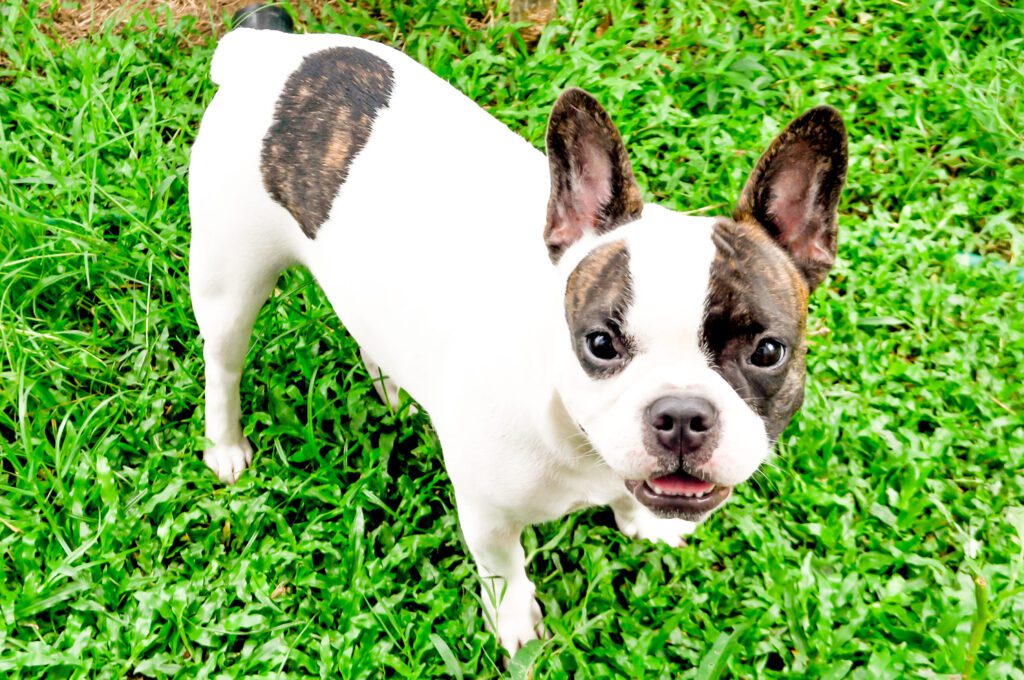

A Frenchton is a compact companion with a cheerful spirit. This cross between a French Bulldog and a Boston Terrier loves people, enjoys short play sessions, and settles nicely at home. The breed’s easygoing nature and small size make daily life simple for many households, from quiet apartments to family homes with kids who understand gentle handling.
Good research sets every adoption up for success. Learn about exercise needs, grooming, health, and training before you bring a dog home. Adoption is a smart, ethical choice because it gives a waiting dog a second chance and supports the lifesaving work of shelters and rescues. It also provides transparency on behavior and health that helps you choose the right match.
West Virginia’s mountains and valleys create warm, humid summers and chilly winters. A Frenchton’s short muzzle means heat and humidity can be challenging, so plan shaded walks, fresh water, and air conditioning in summer. Winters can feel brisk, so a warm coat and limited time outdoors help. Many West Virginia lifestyles fit a Frenchton well, especially when daily activities center on short neighborhood walks and cozy indoor time.
You can avoid searching shelters and rescues one by one by starting with centralized listings. Begin with Dog Academy to scan available Frenchtons and similar mixes across West Virginia. You can also check local animal shelters, regional rescues, and breed-specific rescue groups. Reading full profiles helps you understand age, energy level, medical needs, and whether the dog prefers calm homes or active families.
The adoption process usually starts with browsing listings and asking questions. When you find a good match, submit an application that covers your schedule, home setup, and experience with dogs. Many groups verify references and confirm landlord permission when a home is rented. A meet-and-greet follows, which introduces the dog to household members and resident pets in a controlled setting. Some groups complete a home check, which is a quick safety review done in person or by video to confirm secure fencing, safe storage for medications, and a comfortable indoor space.
Approval timelines vary by group, but most decisions in West Virginia arrive within 3 to 14 days once you complete your steps. Clear communication speeds things up, so reply promptly and share photos or videos of your home when asked. If the dog is in a different city, rescues sometimes arrange transport to move dogs between foster homes or shelters. Transport uses approved drivers and set routes to ensure the dog travels safely and arrives on schedule.
Prepare before you pick up your new dog. Set up a crate, a bed, bowls, high quality food, and safe chew toys. Plan a calm first week with short walks, gentle introductions, and simple routines. Dog Academy also provides adoption checklists and educational guides that help you plan vet visits, choose the right gear, and set house rules that make your Frenchton feel secure.
|
How Much Does It Cost to Adopt a Frenchton in West Virginia?In West Virginia, adoption fees for a Frenchton typically range from $200 to $500. Puppies and young adults often sit near the higher end due to strong demand and recent medical care, while seniors can be lower. Fees reflect age, training history, medical needs, and how long the dog has been in care. Most groups include spaying or neutering, vaccinations, microchipping, and veterinary exams in the fee, which makes adoption a strong value compared with private sales. Medical updates, such as dental cleanings or treatment for skin or ear issues, can raise costs slightly. A dog with completed crate training, reliable house manners, or basic obedience may also have a higher fee because training reduces transition time for adopters. Ask for an itemized summary so you know exactly what the fee covers and what follow-up care your new dog will need. |
How Should I Train a Frenchton?Frenchtons are bright and people focused, which makes training smooth when sessions are short and upbeat. They respond best to positive reinforcement with tiny treats, praise, and play. Keep sessions to 5 to 10 minutes, use simple cues, and end on success. A calm routine helps them learn house training, crate comfort, and polite greetings quickly. Some Frenchtons can be a bit stubborn or easily distracted. Break tasks into small steps and reward every correct choice. Avoid harsh corrections because they create stress and slow learning. Support their short muzzle by choosing moderate exercise, frequent water breaks, and a comfortable indoor space for training during hot or humid weather. For step-by-step support, explore Dog Academy’s online training courses. You can follow structured lessons for house training, crate training, leash skills, impulse control, and calm behavior around visitors. The lessons show you exactly how to reward at the right moment, how to fade treats, and how to build reliable cues in real-life settings. |
|
A Frenchton suits adopters who want an affectionate, compact companion with moderate exercise needs and strong social ties. The ideal home offers daily short walks, a predictable routine, and climate-aware care that protects a short muzzle in summer heat and winter cold. Families, retirees, and first-time adopters can all succeed when they plan ahead and commit to gentle, consistent training.
Take your time, ask clear questions, and prepare your home before you apply. When you feel confident about health, behavior, and fit, move forward at a steady pace. With good preparation and thoughtful training, you can adopt a Frenchton in West Virginia and enjoy a wonderful companion for years to come.

Introducing a new puppy to your current dog is often an exciting process, and many dogs will become fast friends and eas...
Read More
Rescue dogs can make great companions and can transform your home into something better. These dogs make great pets and ...
Read More
You should never rush to pet a dog. Even dog owners make the mistake of approaching unfamiliar dogs and petting them rig...
Read More
Puppy mill dogs are survivors who have endured extreme hardships in their lives. They have grown up in horrendous, unsan...
Read More
With their wagging tails and comforting presence, adopting a dog can add a unique touch to your life. It’s a heart...
Read More
Older dogs may have a few gray hairs around the edges, but that doesn’t mean they can’t make wonderful companions! T...
Read More