






















































































































































































Introducing a new puppy to your current dog is often an exciting process, and many dogs will become fast friends and eas...
Read MoreAdopt Me

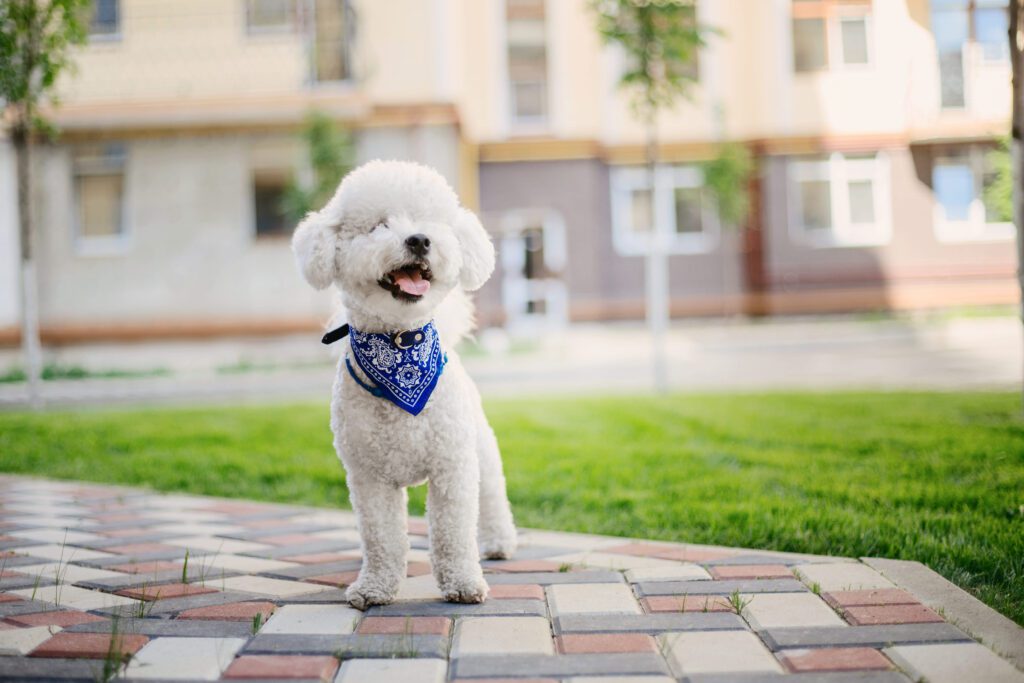


The Bichon Frise is a cheerful, affectionate, and social companion. This small dog loves people, enjoys play, and stays upbeat during daily routines. The plush white coat sheds very little, which many allergy-sensitive families appreciate. A Bichon Frise fits well in apartments and single-family homes because the breed needs moderate exercise and plenty of time with its people.
Research is essential before you adopt a Bichon Frise in West Virginia. The coat needs frequent brushing and professional grooming. The breed thrives on company and may struggle when left alone for long hours. Adoption is a rewarding choice because it gives a dog a second chance, supports ethical placement, and often includes vital veterinary care that keeps early costs predictable.
West Virginia offers four distinct seasons with humid summers and cold winters, especially in the mountains. A Bichon Frise does well in this climate with good coat care and weather-appropriate routines. Short, frequent walks suit hilly neighborhoods and small towns. Indoor play keeps the dog engaged on rainy days. A warm coat and paw protection help on snowy sidewalks, and shade breaks help during muggy afternoons.
You can avoid searching rescues and shelters one by one by using Dog Academy. You can browse updated listings in one place and use educational guides and adoption checklists to prepare with confidence. You can also look at local animal shelters, regional rescues, and breed-specific rescue groups that work with small companion dogs.
The process starts with browsing listings and reading each profile carefully. Profiles usually explain age, temperament, health notes, and the ideal home. You then submit an application that covers your household, schedule, experience, and landlord approval when you rent. Many groups request a phone interview and personal references to confirm a safe and stable plan.
Next comes a meet-and-greet to confirm a good match. This may happen at the shelter, at an adoption event, or at a foster home. You should bring all household members to see how everyone interacts. Some groups complete a home check to review safety features like secure fencing, safe stairs, and a quiet crate area. Home checks can be in person or virtual when travel is difficult.
Approval timelines vary by organization and by the dog’s needs. Shelters often process adoptions within 3 to 7 days once requirements are met. Breed-focused rescues often need 1 to 3 weeks due to interviews and coordination with fosters. If the right dog is not yet available, you can join a waiting list and update your application when your plans change.
Transport may be available when the best match lives outside your area. Transport is often arranged by rescues to move dogs between states using volunteer drivers or partner carriers. Dogs usually travel only after receiving vaccinations and a health certificate from a veterinarian. Clear schedules, safe crates, and pickup instructions help the process run smoothly.
|
How Much Does It Cost to Adopt a Bichon Frise in West Virginia?Expect most adoption fees for a Bichon Frise in West Virginia to fall between $150 and $600. Shelters commonly range from $150 to $300. Breed-specific rescues that provide extensive veterinary care and grooming often range from $300 to $600. Costs in West Virginia tend to be modest compared to large metro areas, but demand for small hypoallergenic-leaning breeds can raise fees for young or highly social dogs. Fees reflect age, training, medical care, and demand. Included services usually cover spaying or neutering, vaccinations, microchipping, and veterinary exams. Fees may also include a heartworm test, a fecal test, and a recent groom. Older dogs with dental work already completed may cost more due to the added care, while seniors or dogs with ongoing needs may have reduced fees to encourage the right match. |
How Should I Train a Bichon Frise?The Bichon Frise is bright, people-focused, and eager to learn. The breed responds best to positive reinforcement with food rewards, toys, and praise. Short sessions that end on success keep motivation high. Clear routines help the dog settle quickly in a new home. House training can take time with small dogs. Use a consistent schedule, frequent outdoor breaks, and a crate that fits the dog comfortably. Reward outdoor potty moments every time. Curb alert barking by rewarding quiet when visitors arrive and by teaching a reliable place cue. Gentle handling practice makes grooming easier because the coat needs regular brushing and professional care every 4 to 6 weeks. If you want step-by-step help, you can use Dog Academy’s online training courses. Courses teach positive methods for house training, polite leash walking, calm greetings, and confidence building. You can train at home on your schedule and repeat lessons as your dog progresses. |

|
A Bichon Frise suits adopters who enjoy daily companionship, gentle play, and short walks. Families, retirees, and apartment dwellers do well when they can offer time, patience, and a steady routine. A realistic grooming plan and a budget for regular care are essential for long-term success.
Prepare before you apply by setting up a crate, food and water bowls, a secure harness, grooming tools, and a vet appointment. Take your time, ask clear questions, and trust the process. When you are ready, browse listings through Dog Academy and find the Bichon Frise in West Virginia that fits your life.

Introducing a new puppy to your current dog is often an exciting process, and many dogs will become fast friends and eas...
Read More
Rescue dogs can make great companions and can transform your home into something better. These dogs make great pets and ...
Read More
You should never rush to pet a dog. Even dog owners make the mistake of approaching unfamiliar dogs and petting them rig...
Read More
Puppy mill dogs are survivors who have endured extreme hardships in their lives. They have grown up in horrendous, unsan...
Read More
With their wagging tails and comforting presence, adopting a dog can add a unique touch to your life. It’s a heart...
Read More
Older dogs may have a few gray hairs around the edges, but that doesn’t mean they can’t make wonderful companions! T...
Read More