




























































































































































Introducing a new puppy to your current dog is often an exciting process, and many dogs will become fast friends and eas...
Read MoreAdopt Me

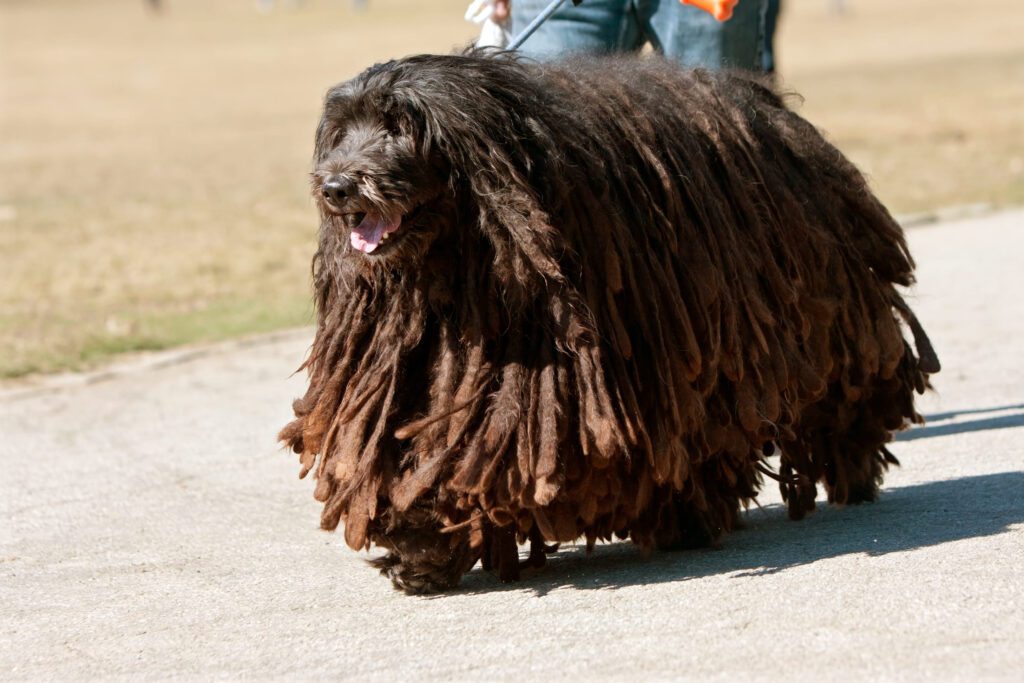
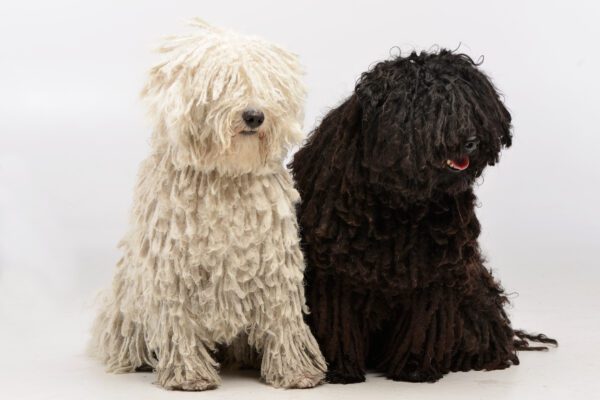
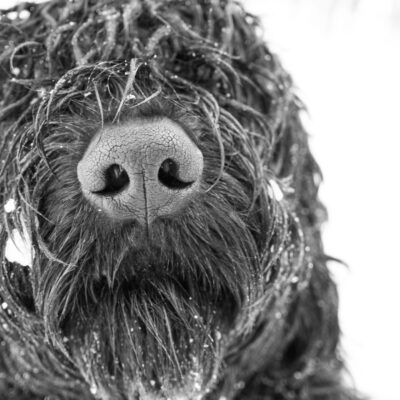
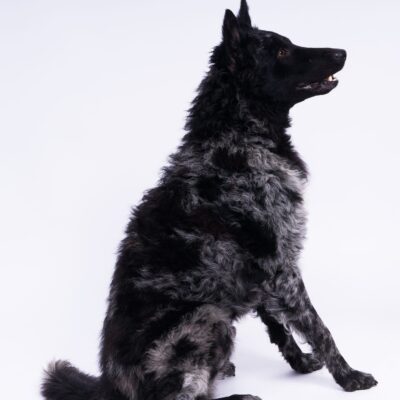
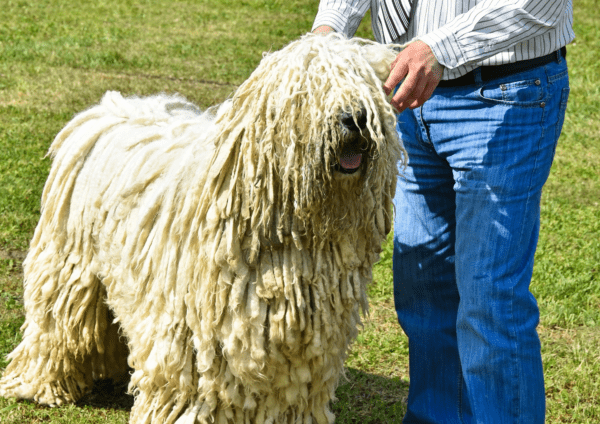
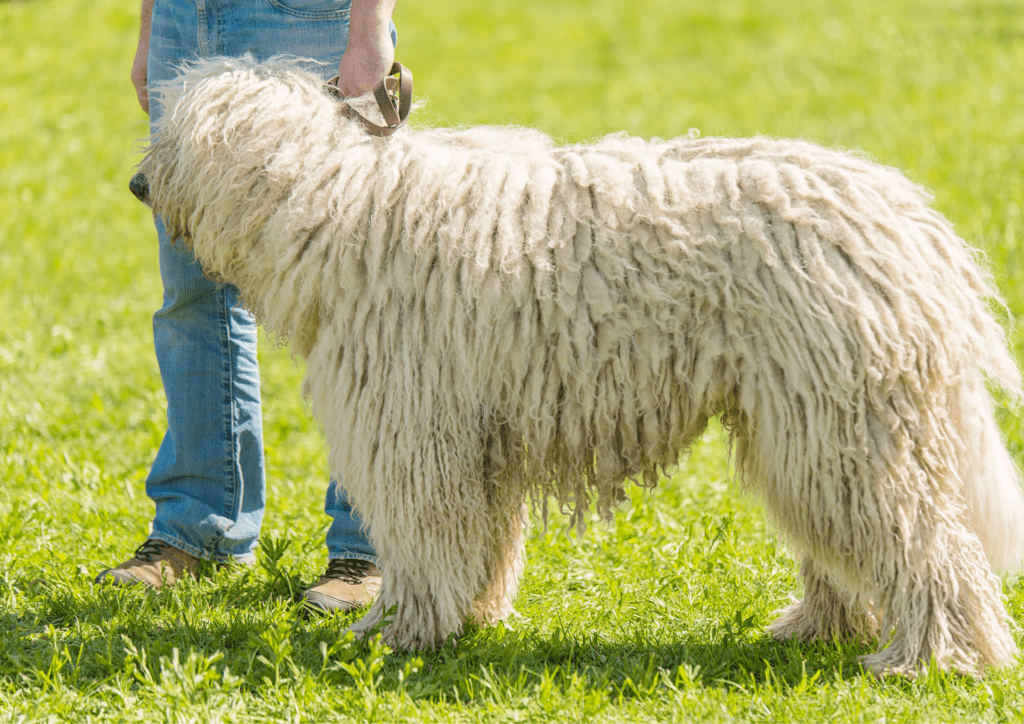
The Komondor is a devoted guardian that bonds deeply with family and watches the home with quiet confidence. This large breed carries a signature corded coat and a calm yet determined spirit. Thoughtful research helps every adopter understand the breed’s protective nature, grooming needs, and training priorities before bringing a dog home. Adoption gives a deserving dog a second chance while supporting responsible animal care in the community.
West Virginia offers rolling hills, rural acreage, and quiet neighborhoods that can suit a Komondor well when owners provide secure fencing and consistent training. Cold winters pair well with the Komondor’s insulating coat, while humid summers call for shade, fresh water, and limited midday activity. Mud, thickets, and mountain trails can trap debris in cords, so regular coat care is essential. With the right setup and daily structure, this thoughtful guardian can thrive in the Mountain State.
Choosing adoption over buying reduces demand for irresponsible breeding, helps shelters open space for more animals, and often includes helpful veterinary care. A careful match that accounts for lifestyle, grooming time, and training goals sets both the adopter and the Komondor up for success.
You can avoid searching rescues and shelters one by one by starting with Dog Academy. The adoption listings let you browse available dogs from local animal shelters, regional rescues, and breed-specific rescue groups in one place. Dog Academy also offers educational guides and adoption checklists to help you prepare your home and plan your first weeks with a new dog. A single hub saves time and keeps your search organized.
Begin by browsing listings for Komondors and Komondor mixes. Read each profile closely, including notes about temperament, grooming history, energy level, and home preferences. When a dog looks like a match, submit an application that explains your experience, daily schedule, fencing, and training plans. Clear details help adoption teams understand your household and speed up next steps.
Most groups schedule a meet-and-greet after the application review. A meet-and-greet allows you to observe the dog’s behavior, ask questions about routines, and discuss ongoing needs. Many groups complete a home check to confirm safe fencing, secure gates, and a calm place to rest. A home check also confirms that cleaning supplies, cords, and valuables are stored out of reach and that the yard is free of hazards.
Approval timelines vary by group and by how quickly references respond. Many adoptions move from application to approval within a few days to a few weeks. Some rescues arrange transport to move dogs between locations when a good match is found. Transport is often organized through volunteer drivers or professional carriers who move dogs safely between shelters, foster homes, and adopters. Ask about fees and schedules in advance so you can plan pickup and the first veterinary visit.
|
How Much Does It Cost to Adopt a Komondor in West Virginia?In West Virginia, adoption fees for a Komondor or a Komondor mix often range from $200 to $450 for most adults, with puppies sometimes ranging from $300 to $600. The Komondor is a rare, large breed, and fees reflect the cost of care and the resources required to prepare a dog for adoption. Costs vary based on age, training progress, medical history, and local demand. Fees often include spaying or neutering, vaccinations, microchipping, and veterinary exams. Additional care such as dental work, grooming support for the corded coat, or treatment for skin issues can raise the fee. Older dogs may cost less, while well-socialized puppies with recent vet work may cost more. |
How Should I Train a Komondor?The Komondor is intelligent and observant, with strong guardian instincts and an independent mind. Early training should focus on positive reinforcement, steady routines, and clear boundaries. Short sessions with high-value rewards keep attention sharp and build trust. Consistent socialization with friendly people and calm dogs helps a Komondor learn to relax in public settings while still listening to the handler. Many Komondors need extra guidance with recall, polite greetings, and impulse control at fences or doors. Teach a reliable come cue, practice loose-leash walking in quiet areas, and reinforce a solid stay at gates and entryways. Cooperative care matters for this breed. Handling paws, inspecting cords, and practicing gentle grooming builds patience and comfort. For step-by-step plans you can follow at home, explore Dog Academy’s online training courses, which cover foundation skills, calm behavior around visitors, and structured socialization designed for guardian breeds. |
|
The ideal Komondor owner is patient, consistent, and ready to lead with calm confidence. A secure fenced yard, time for daily training, and a plan for coat care are essential. Families who value a steady companion and who give clear structure often see the best results with this breed.
Prepare your home, set a realistic budget, and map out the first 30 days to keep the transition smooth. Take your time, ask detailed questions, and trust the process. With thoughtful preparation and a careful match, you can adopt a Komondor in West Virginia and welcome a loyal guardian who fits your life.
Introducing a new puppy to your current dog is often an exciting process, and many dogs will become fast friends and eas...
Read More
Rescue dogs can make great companions and can transform your home into something better. These dogs make great pets and ...
Read More
You should never rush to pet a dog. Even dog owners make the mistake of approaching unfamiliar dogs and petting them rig...
Read More
Puppy mill dogs are survivors who have endured extreme hardships in their lives. They have grown up in horrendous, unsan...
Read More
With their wagging tails and comforting presence, adopting a dog can add a unique touch to your life. It’s a heart...
Read More
Older dogs may have a few gray hairs around the edges, but that doesn’t mean they can’t make wonderful companions! T...
Read More