

























































































































































































Introducing a new puppy to your current dog is often an exciting process, and many dogs will become fast friends and eas...
Read MoreAdopt Me

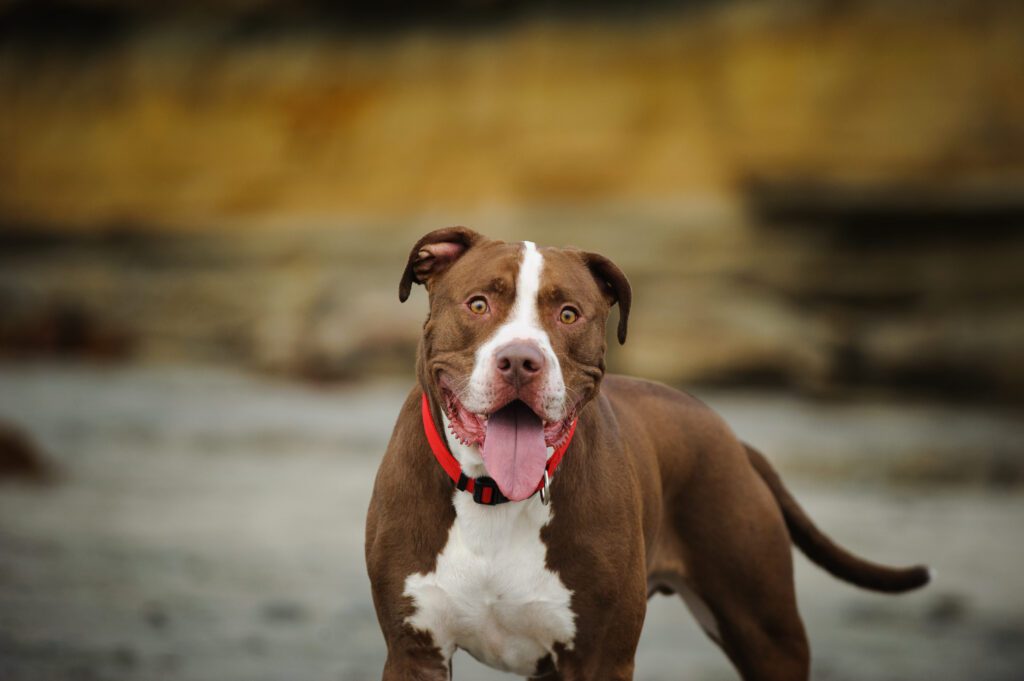

Pitbulls are affectionate, athletic, and eager to please. Many love a good hike, a game of fetch, and a long cuddle at home. This breed thrives with structure, steady exercise, and clear boundaries. Research matters because Pitbulls are powerful dogs that need consistent training and daily engagement. Careful preparation helps every adoption succeed.
Adoption is a compassionate choice that gives a deserving dog a safe home. It also supports community efforts that provide care, medical treatment, and behavior evaluations. West Virginia offers a strong match for many Pitbulls. The state has rolling hills, forested trails, and quiet neighborhoods that fit regular walks and outdoor time. Summers can feel hot and humid in the valleys, and winters can feel cold in the mountains, so owners should plan shade and water in summer and warm coats in winter. Safe fencing, sturdy leashes, and predictable routines are essential across urban and rural areas.
Before you adopt, review breed traits, legal requirements, and your daily schedule. A Pitbull needs time for training, socialization, and exercise every day. A thoughtful plan builds confidence and prevents problems.
You can avoid searching local shelters and regional rescues separately by browsing listings in one place. Start with Dog Academy to see adoptable Pitbulls across the state. You can also use Dog Academy for educational guides and adoption checklists that explain each step from first interest to final paperwork.
Most adopters begin by reviewing profiles from local animal shelters, regional rescues, and breed-specific rescue groups. Listings usually include age, size, energy level, and notes about behavior. Read carefully and match needs to your lifestyle. If you live in a mountain area with colder winters, confirm that the dog is comfortable wearing a coat and handling icy paths. If you live in a busy town, look for a dog that already practices loose-leash walking and calm greetings.
After you find a good match, submit an application. Applications often request personal references, proof of housing, and landlord approval when you rent. Many groups schedule a phone interview to discuss routines, training plans, and safety. Meet-and-greets allow you to interact with the dog, and they often include a session with your resident pets. Some groups complete a home check to confirm secure fencing, safe storage for chemicals, and a quiet area for decompression. Approval timelines vary. Shelters often approve within 3 to 7 days. Foster-based rescues often approve within 1 to 3 weeks because they coordinate with volunteers.
If your perfect match lives far away, ask about transport. Transport is often arranged by rescues to move dogs between locations, and it typically uses volunteer drivers or licensed services. Groups explain fees, schedules, and handoff procedures so you can plan safely. Once approved, you finalize the contract, pay the fee, and schedule pickup. Bring a well-fitted harness, a sturdy leash, an identification tag, and a crate for a calm trip home.
|
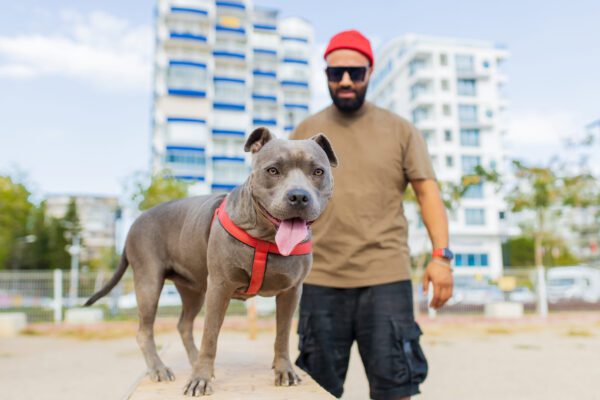
How Much Does It Cost to Adopt a Pitbull in West Virginia?Most adopters in West Virginia pay $75 to $250 to adopt a Pitbull. Fees sit lower in some municipal shelters and higher in foster-based or breed-specific groups that invest more in training and medical care. Puppies usually land near the top of the range, and seniors often land near the lower end. Final pricing depends on age, training, medical care, and local demand. The fee typically includes spaying or neutering, vaccinations, microchipping, and veterinary exams. Many groups also provide heartworm testing, parasite treatment, and a behavior evaluation. Some dogs come with starter supplies or training vouchers, which can add value and reduce first-week costs. |
How Should I Train a Pitbull?Pitbulls are intelligent and enthusiastic learners. They respond best to positive reinforcement that rewards desired behavior with food, toys, and praise. Clear cues, short sessions, and generous rewards build trust and speed progress. Start with a daily routine that includes sit, down, stay, come, and loose-leash walking. Add impulse control games that teach patience at doors and calm behavior around distractions. Common challenges include pulling on leash, jumping to greet, and frustration when bored. Prevent problems with daily exercise, puzzle feeders, chew options, and structured play. Socialization should focus on calm, neutral exposure to people, dogs, and new environments. Avoid harsh corrections because they increase fear and confusion. If you want step-by-step support, explore Dog Academy’s online training courses for leash manners, recall, reactivity reduction, and confidence building. Consistency wins with this breed. Keep sessions short, end on success, and practice skills during real-life moments. Reliable recall, polite greetings, and relaxed leash walking help a Pitbull shine in neighborhoods and parks across West Virginia. |

|
The ideal adopter enjoys daily activity, sets fair rules, and values training as a routine. A secure yard or a reliable walking schedule keeps energy balanced. A calm home setup with a crate and a quiet rest area supports an easy transition.
Take your time, ask questions, and prepare your home before pickup. A thoughtful match, a clear training plan, and steady follow-through create a lifetime bond. When you are ready to adopt a Pitbull in West Virginia, use trusted listings, plan your budget, and give your new companion the structure and love they deserve.

Introducing a new puppy to your current dog is often an exciting process, and many dogs will become fast friends and eas...
Read More
Rescue dogs can make great companions and can transform your home into something better. These dogs make great pets and ...
Read More
You should never rush to pet a dog. Even dog owners make the mistake of approaching unfamiliar dogs and petting them rig...
Read More
Puppy mill dogs are survivors who have endured extreme hardships in their lives. They have grown up in horrendous, unsan...
Read More
With their wagging tails and comforting presence, adopting a dog can add a unique touch to your life. It’s a heart...
Read More
Older dogs may have a few gray hairs around the edges, but that doesn’t mean they can’t make wonderful companions! T...
Read More