
















































































































































































Introducing a new puppy to your current dog is often an exciting process, and many dogs will become fast friends and eas...
Read MoreAdopt Me

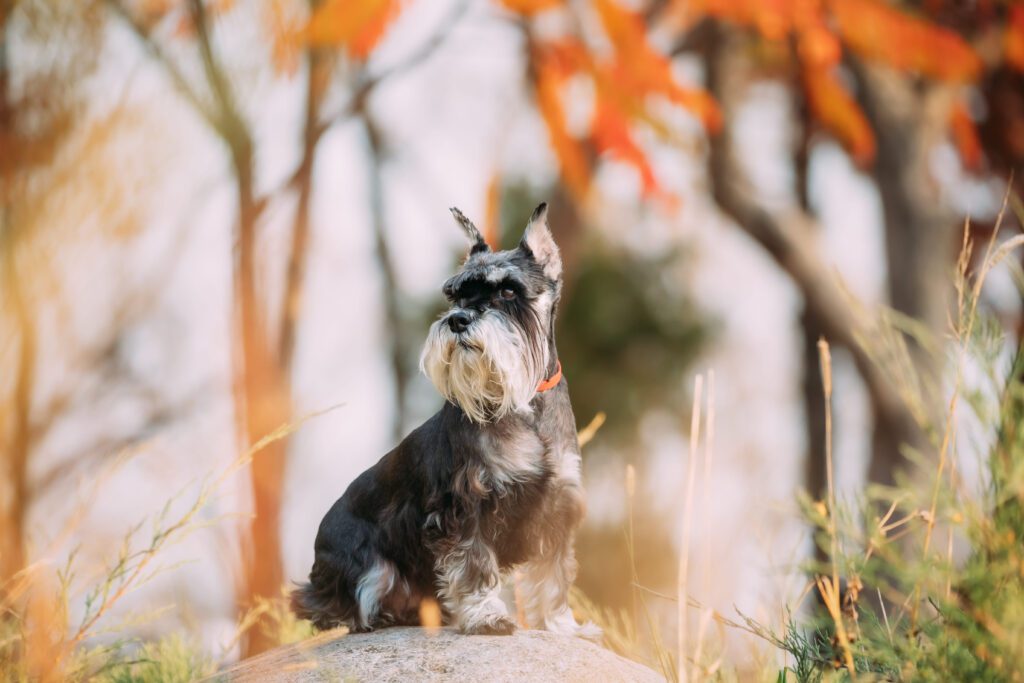


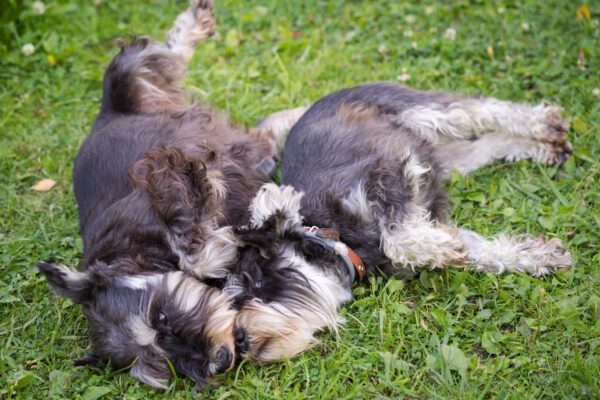
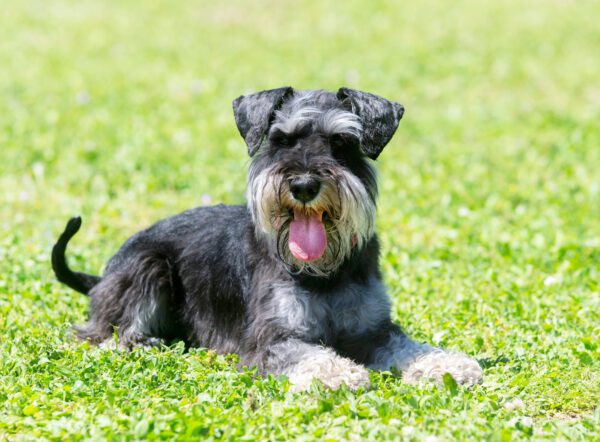
The Miniature Schnauzer is bright, loyal, and full of character. This small terrier is sturdy, affectionate, and eager to be near people. The wiry coat sheds very little, which helps many allergy sensitive homes, and the expressive eyebrows make every day feel lively. A Miniature Schnauzer brings sharp intelligence and playful energy to families, singles, and active seniors.
Thoughtful research leads to a great match. This breed needs daily exercise, consistent training, and regular grooming. Many dogs do best with 45 to 60 minutes of activity, short training sessions, and puzzle toys. The beard and furnishings need brushing, and many guardians choose clipper grooming every 4 to 8 weeks. Some coats benefit from hand stripping. Miniature Schnauzers can be vocal, so a calm training plan for barking helps. Health care, grooming time, and training commitment should fit your routine before you bring a dog home.
Adoption changes two lives at once. You give a dog a home and you open a space for the next dog in need. Adopted dogs often arrive with preventive care already completed, and adult dogs make it easier to predict size and temperament. West Virginia offers four true seasons, with cool winters and humid summers. A Miniature Schnauzer handles chilly walks with a sweater and does best in summer with shade and water. The mountains and rolling hills invite brisk walks and easy hikes, while the breed’s small size suits apartments and country homes. A clear plan for exercise and barking management keeps neighbors, wildlife, and your dog safe.
You can avoid searching rescues and shelters one by one by using centralized adoption listings. Start with Dog Academy to browse Miniature Schnauzers available through local animal shelters, regional rescues, and breed specific rescue groups. Dog Academy also provides educational guides and adoption checklists that help you prepare your home, gather documents, and understand next steps. You can filter by age, size, and location, then follow listing instructions to move forward.
After you find a possible match, you usually complete an application that covers your household, schedule, housing, and pet history. Many groups request landlord approval for renters and veterinary references for current pets. A coordinator reviews your application, then schedules a phone interview to confirm fit with the dog’s needs. The timeline from application to approval commonly runs 1 to 3 weeks in West Virginia, and quick responses from you help the process move faster.
Meet and greets allow everyone to confirm chemistry and safety. Bring all household members and arrange a separate introduction for resident pets. A home check may follow to verify a safe setup, a leash plan for unfenced yards, secure trash storage, and a space for rest. If the right dog is not nearby, some rescues arrange transport between locations to place dogs in suitable homes. Transport is often organized with volunteer drivers or professional carriers, includes a health certificate from a veterinarian, and uses scheduled pickup points. Adoption is finalized when you sign the contract, pay the fee, and schedule a pickup date.
|
How Much Does It Cost to Adopt a Miniature Schnauzer in West Virginia?In West Virginia, most adopters pay $250 to $400 to adopt an adult Miniature Schnauzer. Puppies are often $300 to $500 because demand is higher and preventive care costs are greater. Seniors commonly range from $150 to $300 to encourage placement in loving homes. Fees vary based on the organization’s medical costs, the dog’s age, and recent training. Adoption fees usually include spaying or neutering, vaccinations, microchipping, and veterinary exams. Some Miniature Schnauzers receive dental cleanings, which can raise fees when provided before adoption. Costs can also reflect professional grooming, behavioral support, and post adoption check ins. A clear fee breakdown helps you understand exactly what has been covered for your dog. |
How Should I Train a Miniature Schnauzer?Miniature Schnauzers are quick learners who love to work for rewards. Keep sessions short, upbeat, and frequent. Use positive reinforcement with food, toys, and praise to build trust and motivation. Teach foundation skills like sit, down, stay, and place. Add impulse control and a reliable recall. Address common challenges early by rewarding quiet behavior, guiding polite greetings, and practicing loose leash walking on calm streets and easy trails. Early socialization builds confidence around people, dogs, and new environments. Crate training and house training protect routines and reduce stress. Mental enrichment with scent games, food puzzles, and trick training keeps this smart terrier satisfied. For step by step guidance that you can follow at home, explore Dog Academy’s online training courses, which provide structured lessons, clear videos, and trainer designed practice plans. |

|
The ideal owner enjoys daily walks, consistent training, and regular grooming, and provides patient guidance for a spirited yet affectionate companion. Prepare your home, line up a veterinarian and a groomer, and gather supplies before you apply. Take your time, ask detailed questions, and let a careful process lead you to the right Miniature Schnauzer. When you feel ready, browse adoptable dogs and move forward with confidence.

Introducing a new puppy to your current dog is often an exciting process, and many dogs will become fast friends and eas...
Read More
Rescue dogs can make great companions and can transform your home into something better. These dogs make great pets and ...
Read More
You should never rush to pet a dog. Even dog owners make the mistake of approaching unfamiliar dogs and petting them rig...
Read More
Puppy mill dogs are survivors who have endured extreme hardships in their lives. They have grown up in horrendous, unsan...
Read More
With their wagging tails and comforting presence, adopting a dog can add a unique touch to your life. It’s a heart...
Read More
Older dogs may have a few gray hairs around the edges, but that doesn’t mean they can’t make wonderful companions! T...
Read More