














































































































































































Introducing a new puppy to your current dog is often an exciting process, and many dogs will become fast friends and eas...
Read MoreAdopt Me

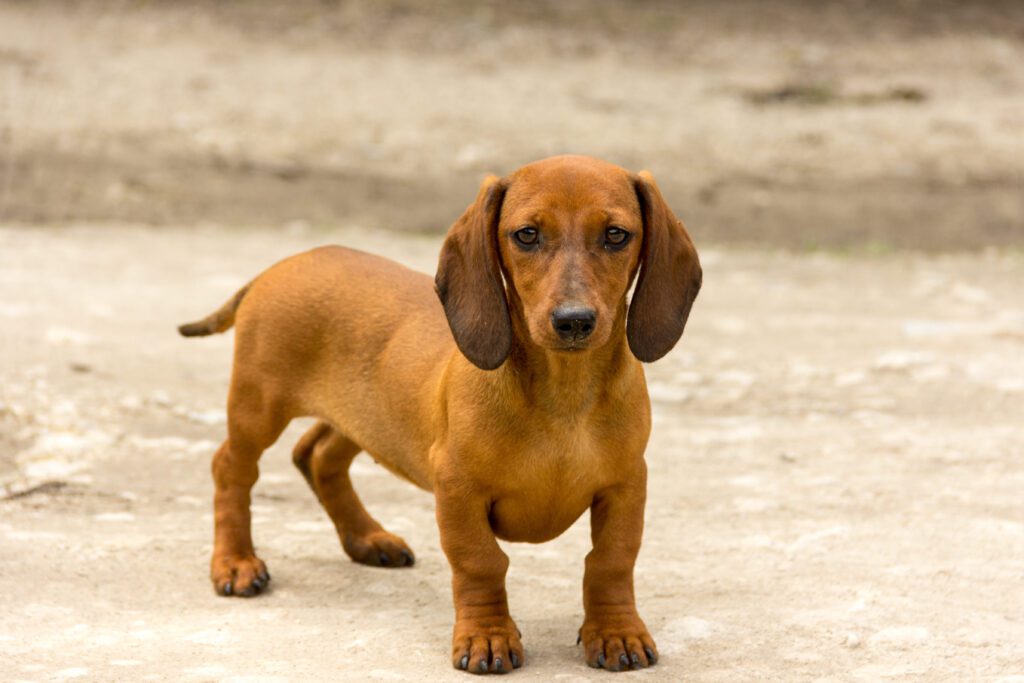


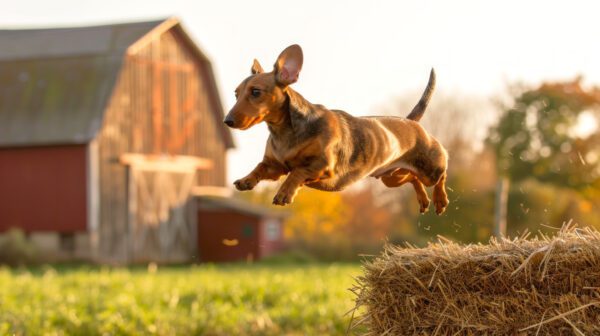
Miniature Dachshunds are affectionate, lively, and brave. The breed is small in size but big in personality. Many families choose this breed for loyalty, playfulness, and a love of cuddling. Miniature Dachshunds thrive on attention and daily routines, and they form strong bonds with their people.
Thoughtful research helps every adoption succeed. Miniature Dachshunds have a long back and short legs, so careful handling and safe movement are important. The breed loves to follow scents and can be vocal when excited. Adoption is preferable to buying because adoption provides a home to a dog in need, reduces demand for irresponsible breeding, and often includes vital veterinary care.
West Virginia offers four true seasons and a landscape filled with hills, valleys, and winding roads. Miniature Dachshunds enjoy short, frequent walks on safe, level surfaces. Cold winters call for a warm dog coat and limited time on icy steps to protect the back. Humid summers call for shaded walks, cool water, and rest during the hottest hours. Rural wildlife can trigger a strong prey drive, so a secure leash or a fenced area helps keep this small hound safe.
You can skip separate searches of shelters and rescues by using Dog Academy. Dog Academy gathers adoptable dogs in one place and makes it easy to filter by age, distance, and size. Dog Academy also provides educational guides and adoption checklists that help you prepare for every step.
You can also look at local animal shelters, regional rescues, and breed-specific rescue groups. Start by browsing listings and reading each profile carefully. Profiles usually describe age, temperament, energy level, and medical history. Match your lifestyle to the dog’s needs, including comfort with children, other dogs, and cats.
After you find a good match, submit an application that describes your household, daily schedule, and training plan. Many organizations request landlord approval if you rent and ask for veterinary references if you have current or past pets. A phone or video interview often follows. Approval can take 3 to 10 days depending on volume, volunteer availability, and how quickly references reply.
When an application moves forward, you will schedule a meet-and-greet. This meeting allows you to see how the dog interacts with you and your family. A home check often follows and can be virtual or in person. A home check verifies safe spaces, secure doors and yards, and a plan to manage stairs with ramps or gates. Some rescues place dogs across a wide region. Transport is often arranged by rescues to move dogs between locations using volunteer drivers or licensed carriers who follow safety protocols and provide health documents. Final approval includes an adoption contract, payment of the fee, and a confirmed pickup or delivery plan.
|
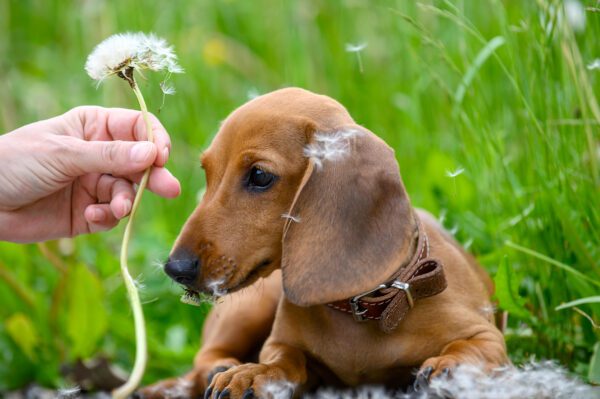
How Much Does It Cost to Adopt a Miniature Dachshund in West Virginia?Most adopters in West Virginia can expect to pay $200 to $400 to adopt a Miniature Dachshund. Puppies and highly requested colors or coats can be closer to $450 because demand is higher and early veterinary care can be more extensive. Fees in West Virginia tend to be moderate due to regional costs, though well-vetted small breeds often sit at the higher end of local ranges. Adoption fees usually include spaying or neutering, vaccinations, microchipping, and veterinary exams. Costs can rise if the dog has received dental care, specialty diagnostics, or professional training. Age affects pricing because puppies require boosters and supplies, while seniors may need dental work or medications. Demand, prior training, and medical care all influence the final fee. |
How Should I Train a Miniature Dachshund?Miniature Dachshunds are intelligent, curious, and eager for rewards. Short sessions with high-value treats or toys keep focus strong. Positive reinforcement builds trust and makes training fun, which helps this independent hound choose to cooperate. Clear cues, patient repetition, and consistent routines create steady progress. Plan for common challenges and address them early. House training improves with frequent outdoor breaks, a reliable schedule, and praise the moment the dog finishes. Barking fades when you reward quiet moments and give daily sniff walks, puzzle toys, and rest. A strong prey drive makes a leash and a secure yard essential. Back safety is a training priority, so teach a reliable wait at stairs, reward gentle four-on-the-floor greetings, and lift with support under the chest and rear. For step-by-step guidance, explore Dog Academy’s online training courses, which provide structured lessons that fit busy schedules. |
|
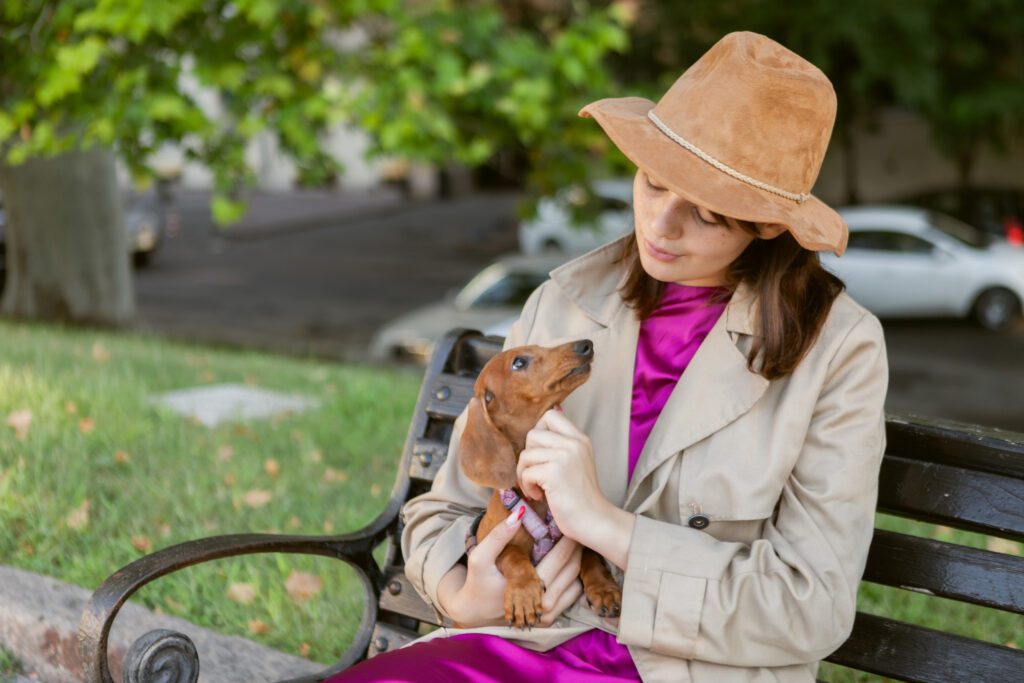
The ideal adopter is patient, consistent, and ready to enjoy short walks, daily play, and cozy downtime. A great match provides gentle handling, back-safe living spaces, and mental enrichment through sniffing games and training. Families with children can succeed when adults supervise interactions and model calm, respectful behavior.
Preparation sets every adoption up for success. Create safe routes that limit stairs, add non-slip rugs and ramps, and plan a first veterinary visit. Take time to research, ask questions, and move at a pace that feels right. When you are ready, begin your search with Dog Academy, build a simple training plan, and welcome a Miniature Dachshund into a home that fits this spirited and loving breed.

Introducing a new puppy to your current dog is often an exciting process, and many dogs will become fast friends and eas...
Read More
Rescue dogs can make great companions and can transform your home into something better. These dogs make great pets and ...
Read More
You should never rush to pet a dog. Even dog owners make the mistake of approaching unfamiliar dogs and petting them rig...
Read More
Puppy mill dogs are survivors who have endured extreme hardships in their lives. They have grown up in horrendous, unsan...
Read More
With their wagging tails and comforting presence, adopting a dog can add a unique touch to your life. It’s a heart...
Read More
Older dogs may have a few gray hairs around the edges, but that doesn’t mean they can’t make wonderful companions! T...
Read More