


























































































































































































Introducing a new puppy to your current dog is often an exciting process, and many dogs will become fast friends and eas...
Read MoreAdopt Me
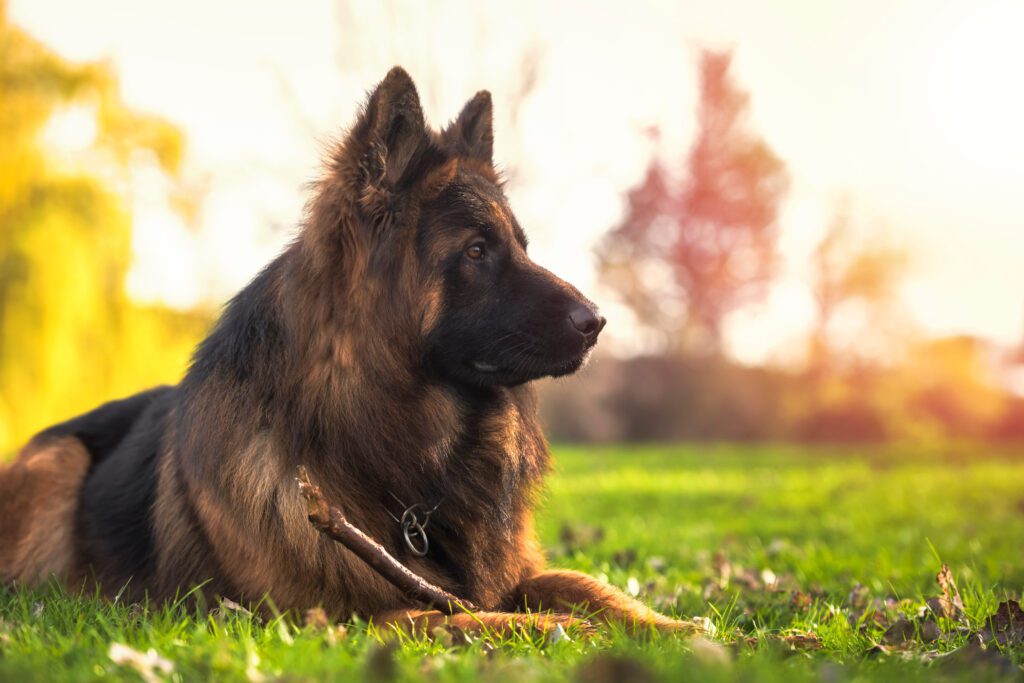


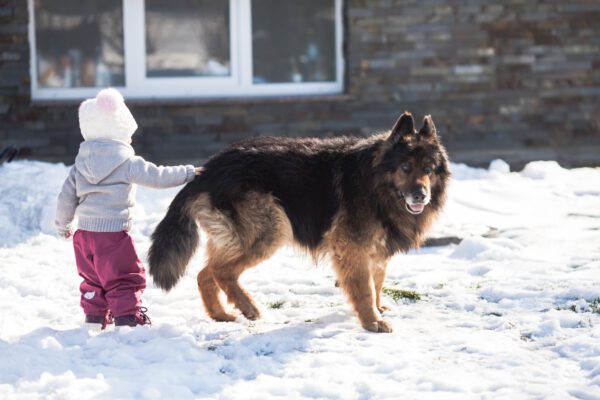
The Long-Haired German Shepherd is loyal, confident, and deeply people focused. The plush coat and expressive face draw attention, while the breed’s working drive and intelligence create a strong bond with an engaged owner. This dog thrives when it has a clear job, regular exercise, and steady guidance. Careful research helps you decide if this energetic and thoughtful guardian fits your life.
Adoption rewards patient preparation. The long coat sheds year round and needs frequent brushing. The breed needs daily physical exercise and mental work to stay balanced. Early socialization and consistent training shape a friendly, calm companion. Adoption gives a dog a second chance and supports the lifesaving work of shelters and rescues. It also helps you find a dog whose temperament, age, and energy match your home.
West Virginia offers four distinct seasons and varied terrain. Cool mountain winters suit a double coat, and many trails create great outlets for activity. Hot and humid summers call for shade, water, and rest during peak heat. Rural properties can provide space, though a secure fence and supervised outdoor time remain essential. City or suburban living can also work when you commit to daily walks, structured play, and enrichment.
You can avoid searching shelters and rescues one by one by using Dog Academy adoption listings. You can browse available Long-Haired German Shepherds, read detailed profiles, and save matches in one place. Dog Academy also provides educational guides and adoption checklists that help you plan each step, from your first inquiry to your dog’s first night at home.
Adoptable dogs appear through local animal shelters, regional rescues, and breed-specific rescue groups. You can browse listings to filter by age, size, location, and temperament notes. Many organizations rely on foster homes, so dogs often live in real households where foster caregivers learn about energy levels, manners, and comfort with kids or other pets. This information helps you choose with confidence.
Most groups ask you to complete an application before a meet-and-greet. Applications usually request basic information, veterinary history for current pets, personal references, and housing details that confirm permission for dogs. Screenings help match the right dog to the right lifestyle. Approval timelines vary, though many adoptions in West Virginia move from application to decision in about 1 to 3 weeks.
After approval, you schedule a meet-and-greet to confirm fit. Many groups encourage the full household to attend so the dog can meet everyone, including resident pets. A home check may follow. This can be in person or virtual and confirms safe containment, secure storage of hazards, and a clear plan for exercise and training. Final steps include signing an adoption contract, paying the fee, and taking your new companion home with care instructions and records.
Rescues sometimes arrange transport to move dogs between locations. Transport is often organized by a network of volunteers or by a partner service to bring dogs from high intake areas to adopters or foster homes. Coordinators plan safe routes, share pickup times, and explain any costs. Some groups ask adopters to meet at a central handoff point to keep travel time low for the dog.
|
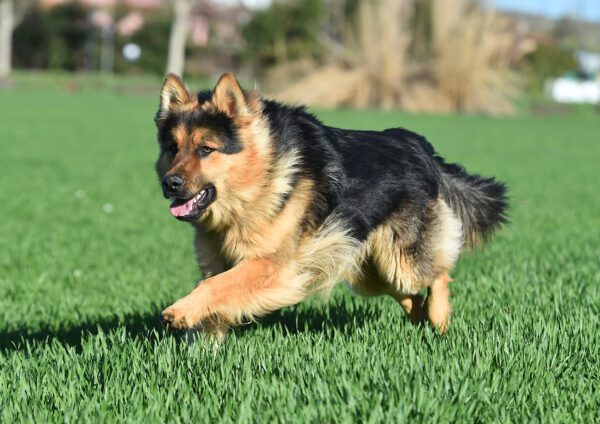
How Much Does It Cost to Adopt a Long-Haired German Shepherd in West Virginia?In West Virginia, most adopters can expect to pay about $200 to $450 for an adult Long-Haired German Shepherd and about $300 to $550 for a puppy. Prices tend to reflect age, training, medical care completed before placement, and local demand for the breed. Puppies usually cost more because they require more frequent vaccines and high demand increases competition. Well trained adults with recent medical updates may also land near the top of the range. Adoption fees usually cover spaying or neutering, vaccinations, microchipping, and veterinary exams. Many groups also include deworming, heartworm testing, and flea control. Some provide a collar, a leash, or a starter bag of food. These inclusions reduce your first month expenses and help your new dog settle in safely. |
How Should I Train a Long-Haired German Shepherd?The Long-Haired German Shepherd is bright, eager, and sensitive to human cues. Clear structure and positive reinforcement build fast results. Reward-based methods create focus and trust, which matters for a thoughtful working breed. Keep sessions short and upbeat, use high value rewards, and practice in easy settings before adding distractions. Daily mental work through scent games, puzzles, and obedience helps channel energy into good habits. Common challenges include pulling on leash, overexcitement with new people or dogs, and strong herding or chase instincts. Early socialization, impulse control games, and calm exposure to busy places help shape steady behavior. Teach reliable recall, loose leash walking, and a solid settle cue. Provide 60 to 90 minutes of balanced activity each day that mixes aerobic exercise with brain work. For step by step plans you can use Dog Academy’s online training courses to build manners at home and on the trail. |
|
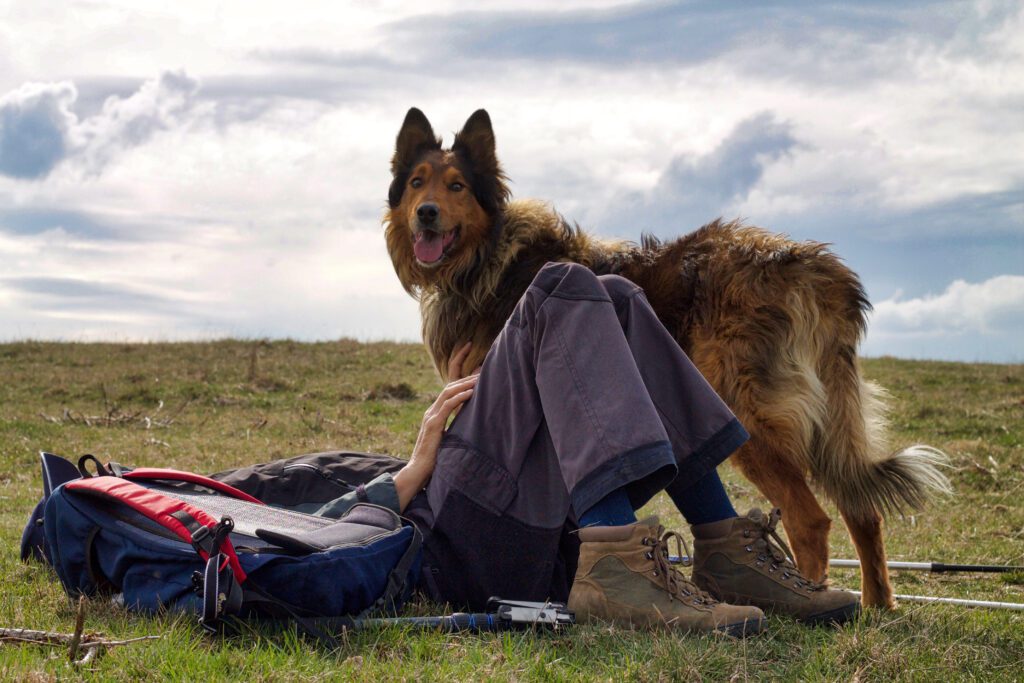
This breed suits an active person or family that enjoys daily walks, structured play, and meaningful training time. The ideal home provides patience, consistency, and regular grooming to manage the long coat. A secure yard or a strong walking routine keeps the dog fit and content.
Preparation leads to a smooth transition. Set up supplies, plan a gradual routine, and review training basics before your dog arrives. Take time to research, ask questions, and choose a dog that truly matches your lifestyle. With the right plan, you can adopt a Long-Haired German Shepherd in West Virginia and enjoy a loyal partner for years to come.

Introducing a new puppy to your current dog is often an exciting process, and many dogs will become fast friends and eas...
Read More
Rescue dogs can make great companions and can transform your home into something better. These dogs make great pets and ...
Read More
You should never rush to pet a dog. Even dog owners make the mistake of approaching unfamiliar dogs and petting them rig...
Read More
Puppy mill dogs are survivors who have endured extreme hardships in their lives. They have grown up in horrendous, unsan...
Read More
With their wagging tails and comforting presence, adopting a dog can add a unique touch to your life. It’s a heart...
Read More
Older dogs may have a few gray hairs around the edges, but that doesn’t mean they can’t make wonderful companions! T...
Read More