


























































































































































































Introducing a new puppy to your current dog is often an exciting process, and many dogs will become fast friends and eas...
Read MoreAdopt Me
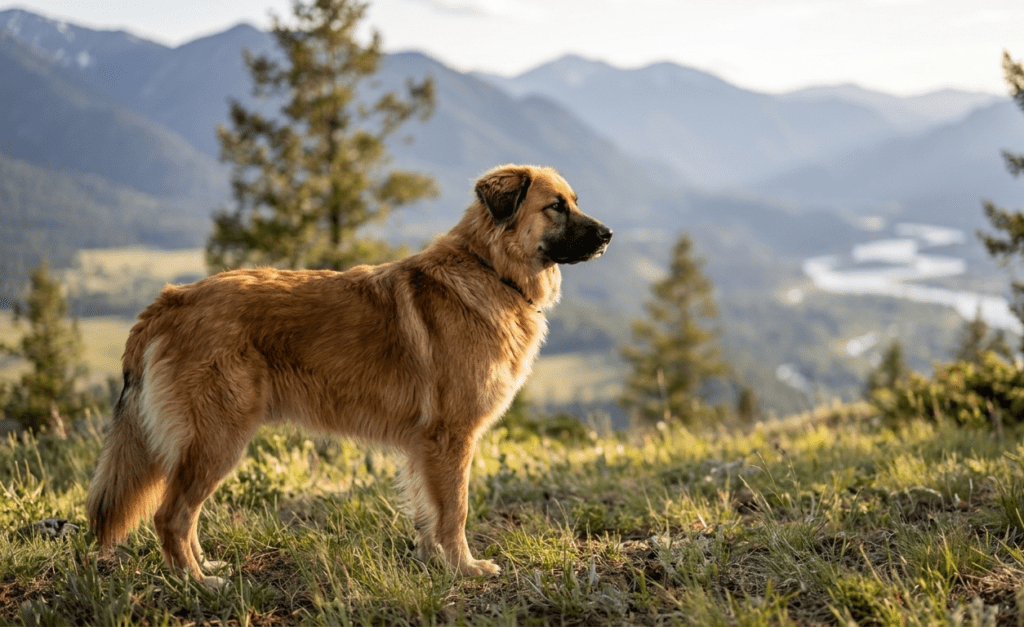


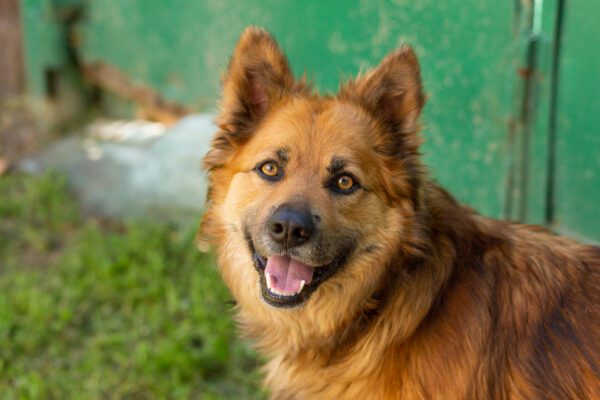
The Golden Shepherd blends the friendliness of the Golden Retriever with the loyalty and confidence of the German Shepherd. Most dogs in this mix are highly social, eager to learn, and full of energy. They thrive with active families who want a devoted companion that enjoys hiking, training, and relaxing at home after a good day outside. Careful research matters before you adopt a Golden Shepherd in West Virginia because this breed needs daily exercise, regular grooming, and steady training to stay happy and healthy.
Adoption is a smart and compassionate path. You give a dog a fresh start and you gain support from knowledgeable staff who evaluate health and behavior before placement. Adoption also stretches your budget because the fee often includes core veterinary care that new owners would otherwise purchase on their own. A Golden Shepherd can be a strong match for West Virginia because the state offers wooded trails, rolling hills, and large yards that make exercise easy. The double coat handles cold winters well, and summer heat calls for shade, water, and quiet breaks during the warmest hours.
Life in West Virginia can range from rural properties to city apartments. A Golden Shepherd adapts well when daily needs are met. Urban adopters can plan structured walks, park visits, and training games to use energy wisely. Rural homes can use fenced yards and nearby trails, while always supervising to prevent roaming. Thoughtful preparation creates a smooth transition in any setting.
You can skip searching separate rescues and shelters by using Dog Academy to browse current adoption listings in one place. The listings show age, size, temperament notes, and location so you can shortlist dogs that fit your lifestyle. Dog Academy also offers educational guides and adoption checklists that help you prepare your home, plan training, and understand breed needs before you apply.
Start by browsing adoptable dogs through local animal shelters, regional rescues, and breed-specific rescue groups. Read each profile carefully and look for energy level, comfort with children, comfort with other pets, and any training or medical updates. Plan ahead for exercise and grooming so you can show that you understand the commitment that a Golden Shepherd requires.
Most organizations use a similar process. You submit an application that includes your housing details, your veterinary reference, and your plan for training and exercise. An adoption counselor reviews your application and schedules a call to discuss your routine, your expectations, and your household. A meet-and-greet follows, which allows your family and any resident pets to interact with the dog in a controlled, low-stress setting.
Some groups complete a home check to confirm safety. A home check may be virtual or in person. The counselor looks for secure fencing, safe storage for food and chemicals, and a quiet area for rest. After approval, timelines vary based on the dog and the organization. Straightforward approvals can finish within 3 to 10 days, while dogs with special medical needs or transport requirements can take longer.
Transport is often arranged by rescues to move dogs between locations when a good match is found. Transport can involve volunteer drivers or a professional ground service that coordinates safe travel with rest stops and health documentation. You receive clear pickup instructions and a schedule so you can prepare supplies and plan a calm arrival.
|
How Much Does It Cost to Adopt a Golden Shepherd in West Virginia?In West Virginia, the typical adoption fee for a Golden Shepherd ranges from $150 to $350 for most adults, while puppies and young adolescents often range from $300 to $450. Fees trend slightly lower than large metro areas, but demand for friendly, family-ready dogs can raise the price for well-socialized puppies. Fees reflect medical and care investments that the organization has already made. Costs often include spaying or neutering, vaccinations, microchipping, and veterinary exams. Prices can rise with recent training, advanced medical care, or high demand for young dogs, and prices can be lower for senior dogs that need a quieter home. |
How Should I Train a Golden Shepherd?The Golden Shepherd is intelligent, people oriented, and quick to learn. This dog responds best to positive reinforcement that uses food rewards, toys, and praise. Short, upbeat sessions build engagement and focus, while clear routines prevent confusion. Daily mental work matters as much as physical exercise, so include puzzle feeders, scent games, and obedience drills to keep your dog satisfied. Common challenges include jumping to greet, pulling on leash, and barking for attention. Address these early with consistent cues and immediate rewards for calm behavior. Teach loose-leash walking, impulse control at doors, and a rock-solid recall. Socialize thoughtfully with new people, friendly dogs, new surfaces, and different environments to build confidence and reduce reactivity. You can follow structured plans with Dog Academy’s online training courses. Courses break down skills into small steps and provide homework that you can fit into busy days. The guidance covers crate training, house training, leash manners, recall, and enrichment so your Golden Shepherd learns to relax as well as to work. |

|
The ideal adopter is ready for daily exercise, patient training, and regular grooming. A Golden Shepherd thrives with someone who enjoys outdoor time, values structure, and wants a loyal companion that stays close to the family. Preparation helps you succeed. Gather supplies, set a schedule, and plan the first week with simple routines and calm introductions.
Take your time, ask questions, and make sure the fit feels right. When you are ready to adopt a Golden Shepherd in West Virginia, use Dog Academy to explore listings, follow checklists, and learn the training skills that help your new dog settle fast and shine for years to come.

Introducing a new puppy to your current dog is often an exciting process, and many dogs will become fast friends and eas...
Read More
Rescue dogs can make great companions and can transform your home into something better. These dogs make great pets and ...
Read More
You should never rush to pet a dog. Even dog owners make the mistake of approaching unfamiliar dogs and petting them rig...
Read More
Puppy mill dogs are survivors who have endured extreme hardships in their lives. They have grown up in horrendous, unsan...
Read More
With their wagging tails and comforting presence, adopting a dog can add a unique touch to your life. It’s a heart...
Read More
Older dogs may have a few gray hairs around the edges, but that doesn’t mean they can’t make wonderful companions! T...
Read More