










































































































Introducing a new puppy to your current dog is often an exciting process, and many dogs will become fast friends and eas...
Read MoreAdopt Me
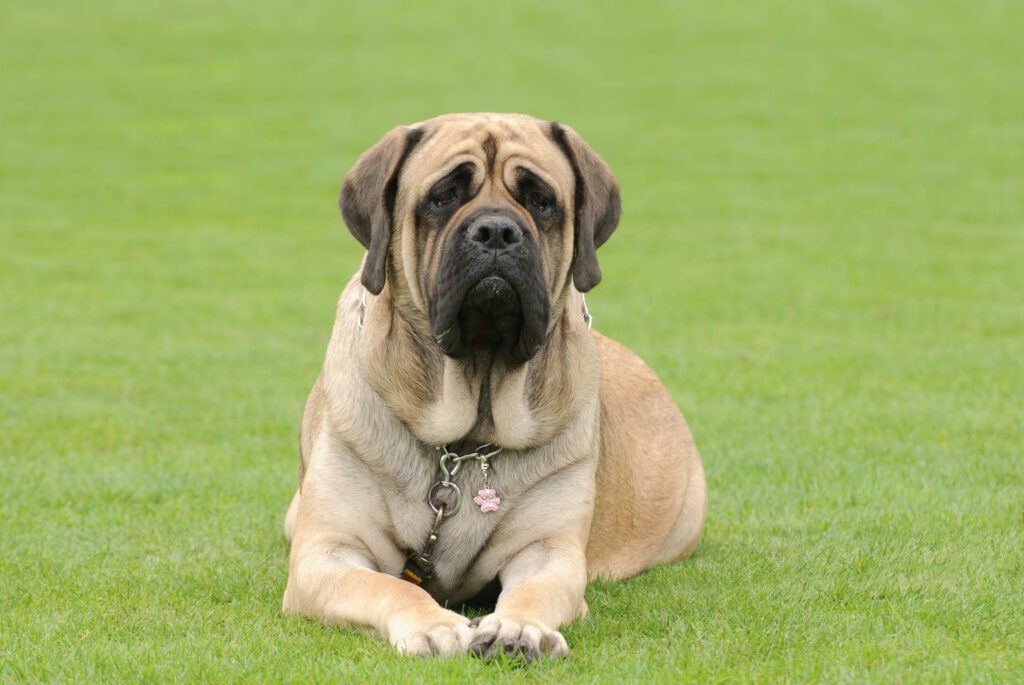


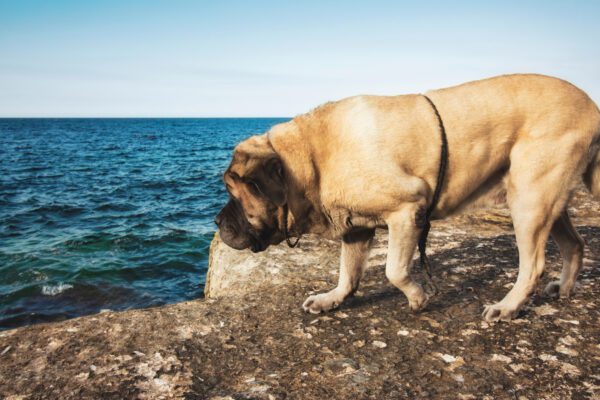
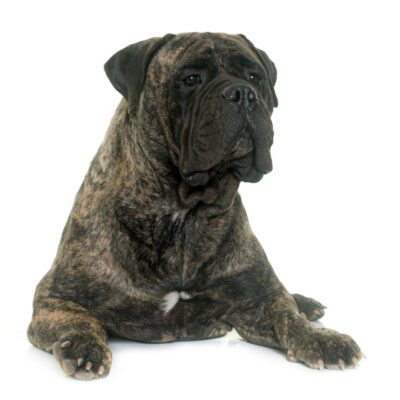
An English Mastiff brings calm devotion, steadfast loyalty, and a gentle spirit to the home. This giant breed is famously affectionate with family, protective without being reactive, and content with a slower pace. Careful research before adoption helps you match a dog’s needs with your home, schedule, and budget. Adoption also gives a deserving dog a second chance while directing your resources toward rescue and responsible care.
West Virginia’s rolling mountains and quieter communities can suit a Mastiff that enjoys short walks, soft beds, and close companionship. Summers can be humid and warm, which means careful heat management for a heat-sensitive giant. Winters bring cold and snow in higher elevations, which most Mastiffs handle well if they have a warm indoor space and limited time outside. The state’s rural roads, stairs in hillside homes, and uneven terrain can challenge a heavy dog with joint concerns, so thoughtful planning is important.
Families who value a peaceful housemate often find the Mastiff’s easygoing nature appealing. This breed thrives with steady routines, moderate exercise, and clear boundaries. Adoption offers many opportunities to meet adults with known temperaments, which helps new owners choose a well-matched companion.
You can avoid searching local animal shelters and regional rescues separately by using Dog Academy to browse current adoption listings in one place. Dog Academy also provides educational guides and adoption checklists that help you prepare, compare options, and stay organized.
Start by browsing adoptable dogs through local animal shelters, regional rescues, and breed-specific rescue groups. Read each profile carefully and look for information about size, medical history, energy level, and suitability with children or other pets. A Mastiff’s calm nature can vary by individual, so prioritize detailed notes on behavior and training.
Most organizations use a structured process. You submit an application, provide identification, share veterinary references, and confirm landlord approval if you rent. Many groups schedule a meet-and-greet so every household member can interact with the dog, including resident dogs. A home check often follows, which can be in person or virtual, to confirm safe fencing, adequate space for a giant breed, and secure storage for food and medications. Approval timelines often range from 3 to 14 days, though puppies or high-demand dogs can take longer.
If your best match is outside your immediate area, ask about transport options. Transport is often arranged by rescues to move dogs between locations when a great adopter is in another county or state. Volunteer drivers or licensed carriers handle the trip, and the organization may charge a modest fee to cover fuel and logistics.
|
How Much Does It Cost to Adopt a English Mastiff in West Virginia?Adoption fees for an English Mastiff in West Virginia usually range from $150 to $350 for adults and from $250 to $500 for puppies or young dogs. Costs trend slightly lower than national averages due to the state’s overall cost of living, but demand for well-tempered Mastiffs can raise fees within these ranges. Older dogs and dogs with ongoing medical needs may be lower or may include sponsored support. Fees reflect care already provided, which typically includes spaying or neutering, vaccinations, microchipping, and veterinary exams. Pricing also varies with age, training and socialization, recent medical care such as orthopedic evaluations, and local demand for large guardian-type breeds. Ask for an itemized breakdown so you understand exactly what the fee covers. |
How Should I Train a English Mastiff?An English Mastiff is intelligent and eager to please, but this breed can be independent and sensitive. Short sessions, calm handling, and consistent routines help the Mastiff learn quickly without stress. Focus on positive reinforcement, clear timing, and generous rewards. Avoid harsh corrections because a sensitive giant can shut down or lose confidence. Prioritize early socialization, leash skills, and impulse control. Teach loose-leash walking, polite greetings, and reliable cues such as sit, down, stay, leave it, and place. Doorway manners and cooperative care are essential because a 150 to 200 pound dog must accept nail trims, bathing, and vet handling. Introduce new people, calm dogs, and varied surfaces slowly so the Mastiff builds trust and resilience. Crate training can help with safety and rest if you choose a crate that is strong, roomy, and well-padded. For step-by-step lessons that fit a busy schedule, explore Dog Academy’s online training courses. Guided videos and trainer-designed curricula simplify key skills for giant breeds, from foundation obedience to house manners and leash etiquette. |

|
The ideal adopter is patient, consistent, and comfortable managing a very large dog. A Mastiff needs daily walks, durable gear, a quiet place to rest, and a budget for high-quality food and preventive veterinary care. Homes with a secure yard or easy access to safe walking areas work best. Stairs, slippery floors, and tight hallways need extra planning to protect joints and prevent falls.
Take your time, ask thorough questions, and prepare your home before you bring your dog home. Use Dog Academy’s adoption tools to compare candidates, follow a checklist, and plan next steps. With thoughtful research and steady training, you can welcome an English Mastiff that fits your lifestyle and thrives in West Virginia’s beautiful mountain communities.
Introducing a new puppy to your current dog is often an exciting process, and many dogs will become fast friends and eas...
Read More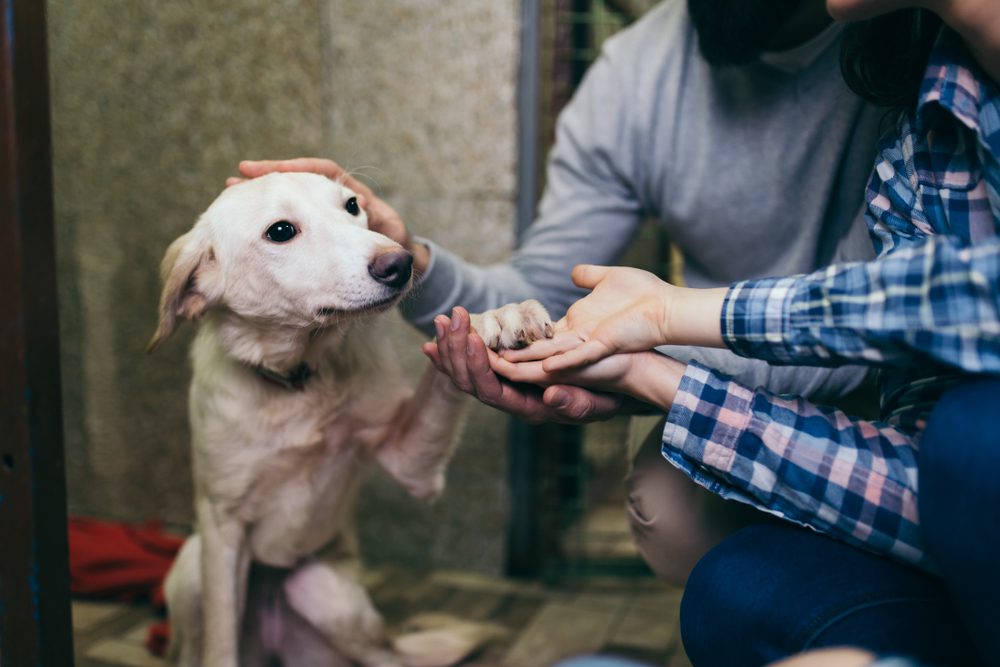
Rescue dogs can make great companions and can transform your home into something better. These dogs make great pets and ...
Read More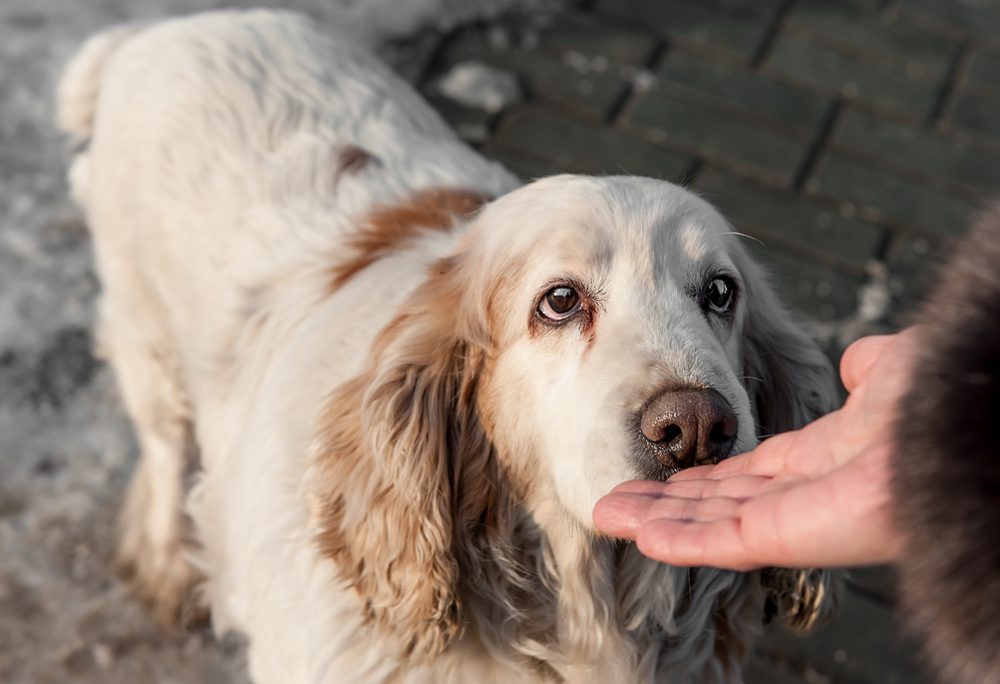
You should never rush to pet a dog. Even dog owners make the mistake of approaching unfamiliar dogs and petting them rig...
Read More
Puppy mill dogs are survivors who have endured extreme hardships in their lives. They have grown up in horrendous, unsan...
Read More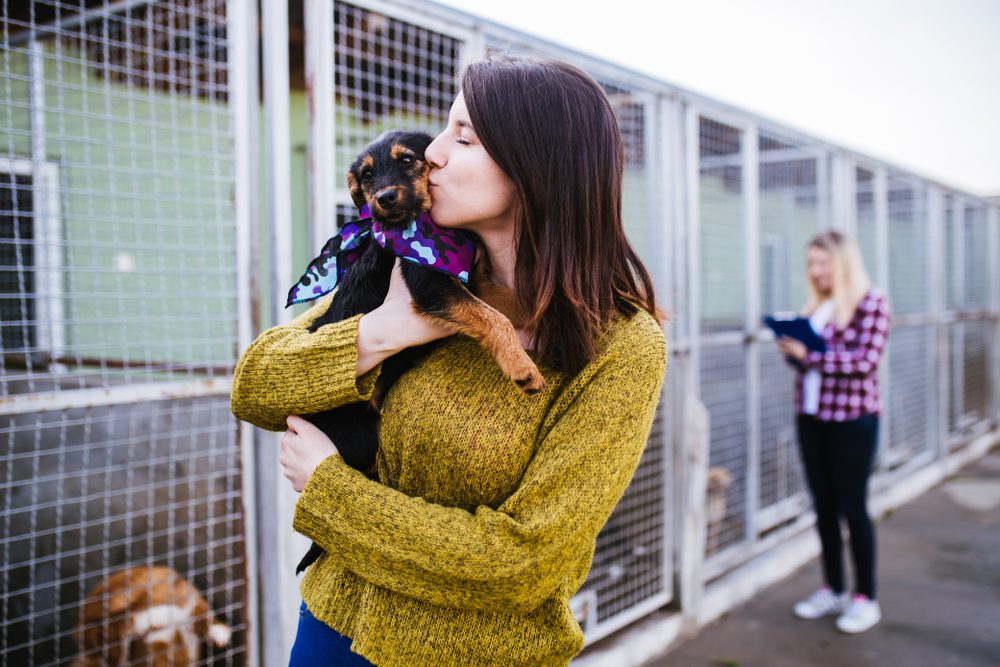
With their wagging tails and comforting presence, adopting a dog can add a unique touch to your life. It’s a heart...
Read More
Older dogs may have a few gray hairs around the edges, but that doesn’t mean they can’t make wonderful companions! T...
Read More