


























































































































































































Introducing a new puppy to your current dog is often an exciting process, and many dogs will become fast friends and eas...
Read MoreAdopt Me

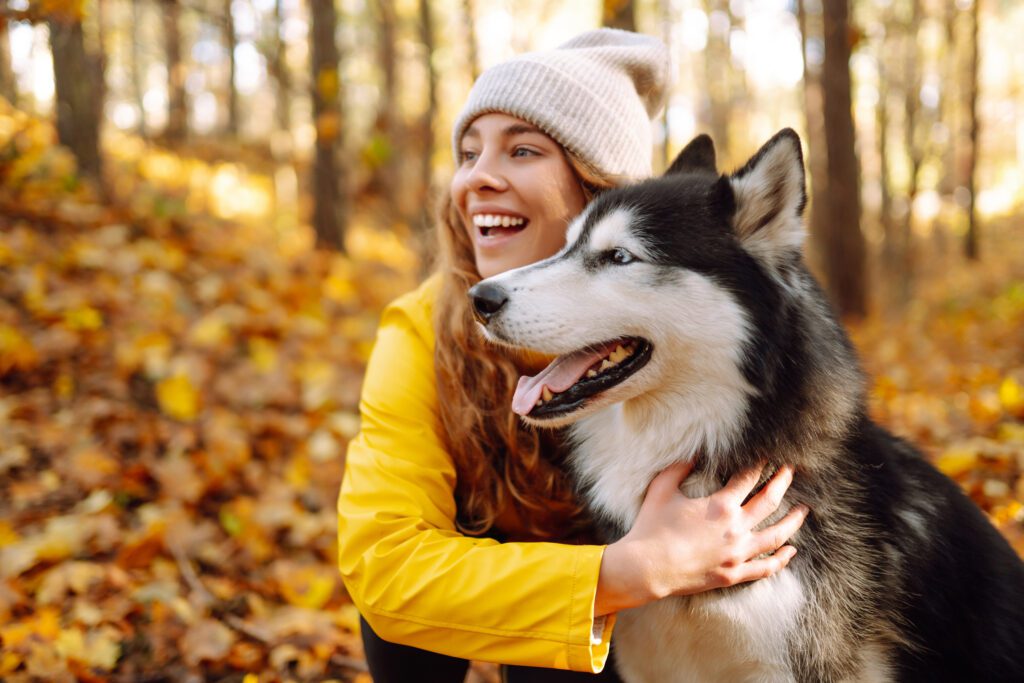


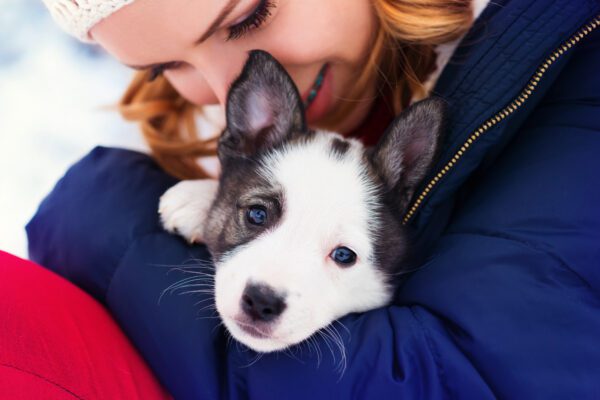
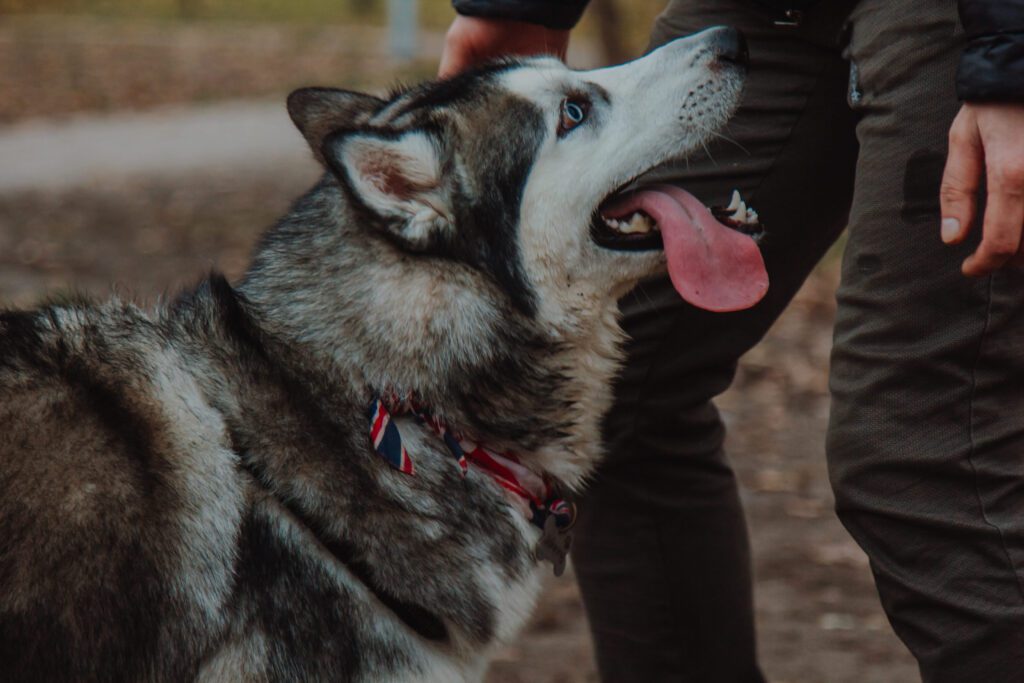
An Alaskan Husky is an energetic, athletic, and social sled-dog type that thrives on daily activity and close companionship. This dog is highly intelligent and eager to run, with a playful spirit and a friendly nature around people. The coat is dense and built for winter, and the dog sheds heavily throughout the year. The breed’s independence can surprise first-time owners, which makes research and preparation essential before adoption.
Adopting an Alaskan Husky is a compassionate choice because adoption reduces shelter crowding and gives a high-energy dog a second chance. Adoption also often includes important veterinary care at a lower cost than buying. West Virginia offers a mix of mountains, valleys, and rolling hills, which creates excellent opportunities for hiking and outdoor exercise. The climate ranges from cold, snowy winters in higher elevations to warm and humid summers in lower regions, which means the dog enjoys winter conditions but needs careful heat management in summer.
Life in West Virginia suits an Alaskan Husky when the household stays active and consistent. Daily exercise on trails and rural roads is available in many communities, and fenced yards add safe room to sprint and play. Hot, humid days in summer require early or late walks, shade, and plenty of water. A well-prepared owner who understands coat care, escape prevention, and mental enrichment will find this breed deeply rewarding.
You can avoid searching for rescues and shelters separately by using Dog Academy to browse current adoption listings across West Virginia. Dog Academy also provides educational guides and step-by-step adoption checklists that help you prepare documents, compare options, and schedule meet-and-greets with confidence.
Adoptable Alaskan Huskies in West Virginia are commonly found through local animal shelters, regional rescues, breed-specific rescue groups, and foster-based organizations. Start by browsing listings, reading each profile carefully, and confirming suitability for your home and routine. Look for notes about energy level, experience with other dogs, experience with children, and any training or medical updates.
Most organizations use a similar application process. You submit an online or in-person application, provide photo identification, show proof of address, and list references. Many groups ask for landlord approval if you rent and may request a brief call with your veterinarian. Meet-and-greets usually happen at the shelter, at an adoption event, or at a foster home. Some groups complete a home check to confirm secure fencing and safe containment, which may be done virtually through video or in person. Shelters often approve qualified applicants within 3 to 7 days, while foster-based rescues may take 1 to 3 weeks because they coordinate volunteers and home checks.
Transport can expand your options because rescues sometimes arrange transport between locations to move dogs from overcrowded areas to approved adopters. Transport is often handled by volunteer drivers or professional carriers, and the rescue coordinates schedules, health certificates, and safety procedures. You usually meet at a designated pickup point, and the group provides instructions and contacts for the transfer.

|
How Much Does It Cost to Adopt a Alaskan Husky in West Virginia?In West Virginia, expect typical shelter adoption fees for an Alaskan Husky to range from $150 to $350. Breed-focused rescues that provide extensive veterinary care and training support often charge $250 to $500. Fees vary based on age, training, medical history, and local demand for the breed. Most adoption fees help cover spaying or neutering, vaccinations, microchipping, and veterinary exams. Young adults with strong manners and recent vetting may sit at the higher end of the range, while seniors or dogs that need ongoing care may be lower to encourage placement. Medical treatments, behavior support, and included supplies can also affect the final fee. |
How Should I Train a Alaskan Husky?An Alaskan Husky is bright and capable, yet this dog often shows an independent streak. Training should focus on positive reinforcement with high-value rewards, short sessions, and clear goals. Begin with name recognition, sit, down, stay, and a solid recall practiced on a long line. Teach leave-it and wait to build impulse control, and reward calm behavior indoors to balance the dog’s high energy. Huskies excel when exercise and enrichment meet their needs. Daily aerobic activity supports good behavior, and puzzle feeders, scent games, and structured walks keep the mind busy. Leash training matters because many Alaskan Huskies have a strong prey drive and a talent for escape. Crate training, cooperative grooming, and handling drills make coat care and nail trims easier during heavy shedding. For step-by-step guidance and video-based lessons that fit busy schedules, explore Dog Academy’s online training courses. |
|
The ideal adopter enjoys outdoor activity, provides 60 to 90 minutes of daily exercise, and maintains a secure, escape-proof yard or reliable containment. A successful home commits to ongoing training, consistent routines, and thoughtful heat management during West Virginia summers. Preparation creates a smooth transition, and a patient search helps you match with a dog whose energy and temperament fit your lifestyle.
Take your time, learn everything you can, and ask clear questions at every step. With careful research, a plan for training and enrichment, and a focus on fit, you can adopt an Alaskan Husky in West Virginia and give a remarkable dog a safe, active, and loving home.

Introducing a new puppy to your current dog is often an exciting process, and many dogs will become fast friends and eas...
Read More
Rescue dogs can make great companions and can transform your home into something better. These dogs make great pets and ...
Read More
You should never rush to pet a dog. Even dog owners make the mistake of approaching unfamiliar dogs and petting them rig...
Read More
Puppy mill dogs are survivors who have endured extreme hardships in their lives. They have grown up in horrendous, unsan...
Read More
With their wagging tails and comforting presence, adopting a dog can add a unique touch to your life. It’s a heart...
Read More
Older dogs may have a few gray hairs around the edges, but that doesn’t mean they can’t make wonderful companions! T...
Read More