




















Introducing a new puppy to your current dog is often an exciting process, and many dogs will become fast friends and eas...
Read MoreAdopt Me
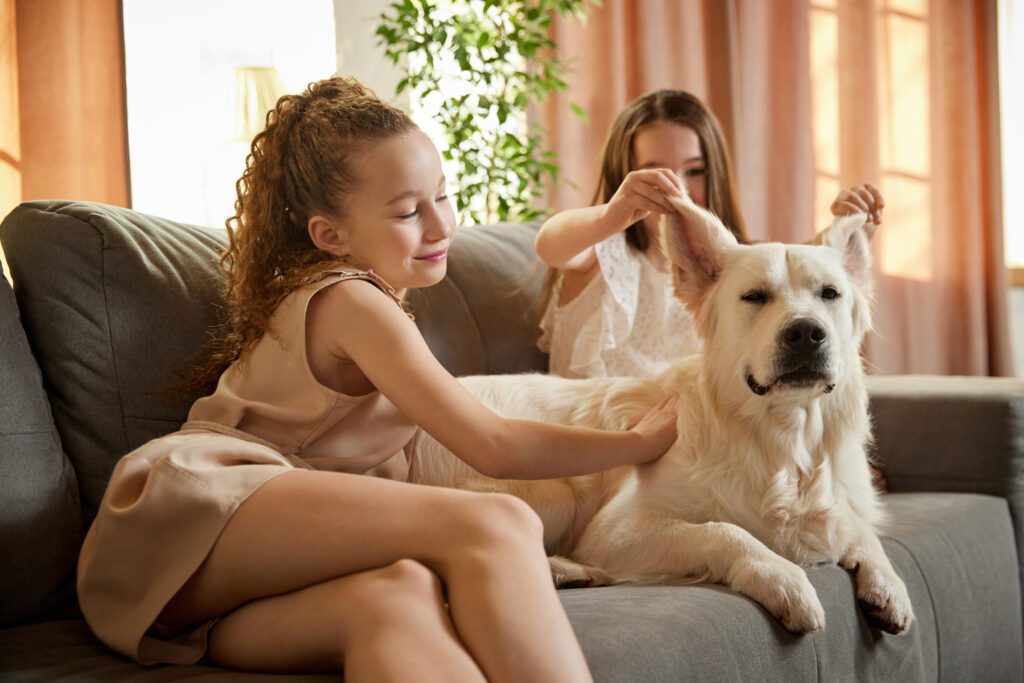
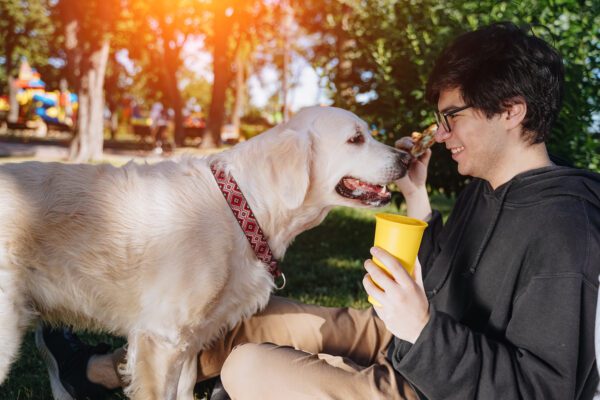
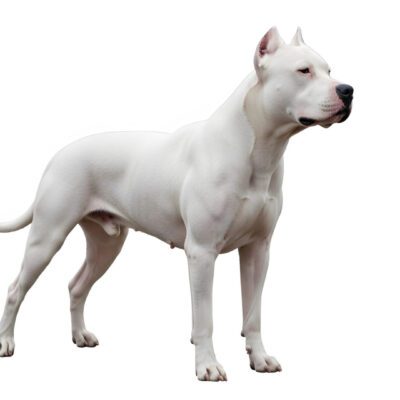
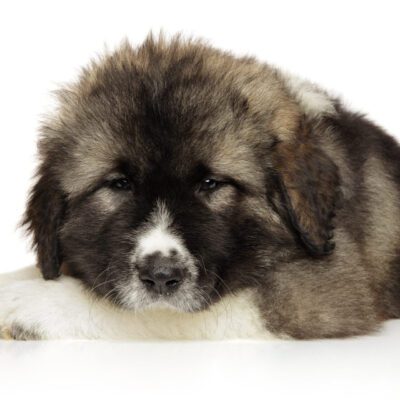
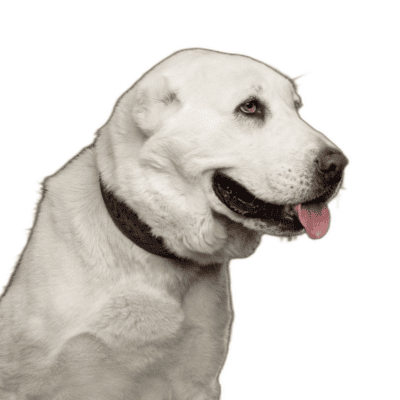
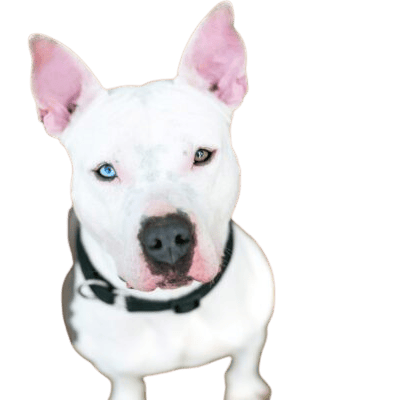
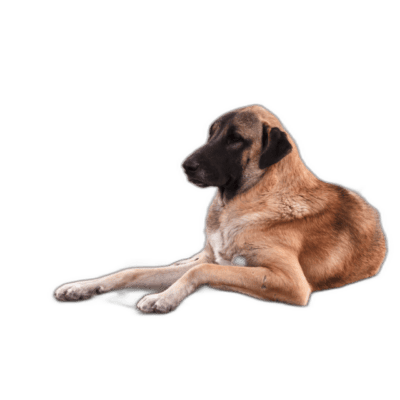
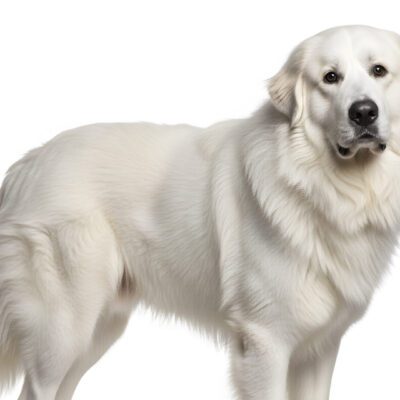
The Akbash is a calm, watchful, and deeply loyal livestock guardian dog. This large white guardian bonds closely with family, stays alert to threats, and makes thoughtful decisions without constant direction. The breed excels in quiet homes that value a steady companion who protects property and livestock with confidence.
Thoughtful research matters before you adopt. Understanding guardian instincts, exercise needs, and socialization goals helps you choose a dog that fits your life. Adoption gives a good dog a second chance and often provides a dog that has received basic veterinary care and temperament evaluation, which supports responsible choices and reduces surprise costs compared to buying.
West Virginia can be a strong match for an Akbash. The state’s four-season climate includes cold winters that suit the Akbash coat, which insulates well in low temperatures. Humid summers require shade, fresh water, and rest during peak heat. Mountain terrain and rural properties give space for supervised exercise and scent patrols. Secure fencing is essential because many Akbash dogs roam to check boundaries. Urban apartments can be challenging due to size, vocal alerts, and space needs, so suburban or rural settings work best.
You can skip searching shelters and rescues one by one by using Dog Academy to browse adoption listings in one place. You can filter for breed, age, and location, then follow clear steps to apply. Dog Academy also provides educational guides and adoption checklists that help you prepare your home and plan your first weeks with your new dog.
Adoptable Akbash dogs appear through local animal shelters, regional rescues, and breed-specific rescue groups. Read each profile carefully and look for notes about fencing, livestock exposure, cat compatibility, and comfort with children. A guardian breed needs secure property boundaries, early socialization with visitors, and a calm routine. Ask for information about previous housing, reactions to strangers, and any training already started.
The process usually begins with browsing listings and submitting an application. Applications often ask about your daily schedule, fencing height, other pets, and experience with large working breeds. Many groups request landlord approval for renters and veterinary or personal references. Initial responses commonly arrive within 3 to 7 days, and timelines vary based on volunteer availability.
Next steps often include a meet-and-greet to confirm fit, followed by a virtual or in-person home check to assess safety and fencing. Some organizations offer foster-to-adopt trials that allow you to confirm compatibility before finalizing. Final approval can take 1 to 3 weeks depending on background checks, scheduling, and the dog’s readiness for placement. Adoption is completed with a contract, payment of the fee, and a confirmed pick-up date.
Transport can expand your options. Rescues sometimes arrange transport to move dogs between states or from rural shelters to central meeting points. Transport is often coordinated by volunteers or licensed carriers and may involve a modest additional fee. Dogs usually travel with a health certificate and arrive at set locations on a fixed schedule, which the rescue team explains in advance.
|
How Much Does It Cost to Adopt a Akbash in West Virginia?Expect most Akbash adoptions in West Virginia to cost around $200 to $450. Costs tend to be lower through municipal shelters and higher through specialized rescues that invest in training and medical care. Age, training level, medical history, and demand for rare guardian breeds influence the final fee. Puppies and fully vetted adults with training often sit at the upper end, while seniors or dogs needing ongoing care can be placed at a reduced fee. Adoption fees commonly include spaying or neutering, vaccinations, microchipping, and veterinary exams. Many organizations also cover deworming and heartworm testing. If transport is used, a separate transport fee may apply, which the rescue explains before you commit. |
How Should I Train a Akbash?The Akbash is intelligent and capable, yet independent. The breed learns quickly when training feels fair and purposeful. Harsh methods shut the dog down or create resistance, while positive reinforcement builds trust and reliability. Reward calm behavior, mark good choices, and keep sessions short and clear. Common challenges include boundary testing, alert barking at night, and suspicion toward unfamiliar people or dogs. Start early socialization with controlled introductions to visitors and calm neutral dogs. Teach a rock-solid recall with a long line in safe areas. Install and maintain a 6-foot fence and practice boundary training daily. Focus on impulse control through stationing, mat work, and structured decompression after excitement. Leash skills matter for such a large dog, so reward loose-leash walking from the first day. Guided instruction helps you build consistency. You can follow step-by-step lessons through Dog Academy’s online training courses, which cover foundation skills, polite greetings, reliable recall, leash manners, and confidence building. These lessons support calm leadership and give you practical plans you can use at home. |
|
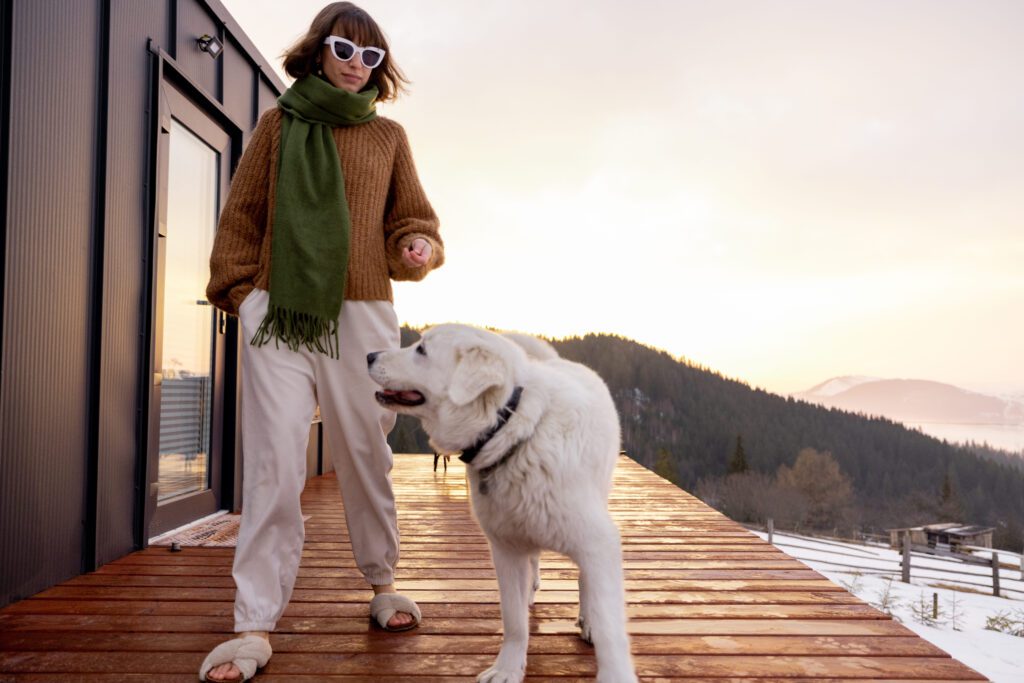
The ideal adopter for an Akbash lives in a suburban or rural home with secure fencing and values a thoughtful, protective companion. Daily structure, patient socialization, and steady leadership help this breed thrive. Time for training and supervision is essential during the first months.
Prepare your home, gather supplies, and set realistic goals before you adopt a Akbash in West Virginia. Take your time to review listings, ask detailed questions, and choose a dog that matches your lifestyle. With patience and the right plan, you can welcome a loyal guardian who fits your family and your property.
Introducing a new puppy to your current dog is often an exciting process, and many dogs will become fast friends and eas...
Read More
Rescue dogs can make great companions and can transform your home into something better. These dogs make great pets and ...
Read More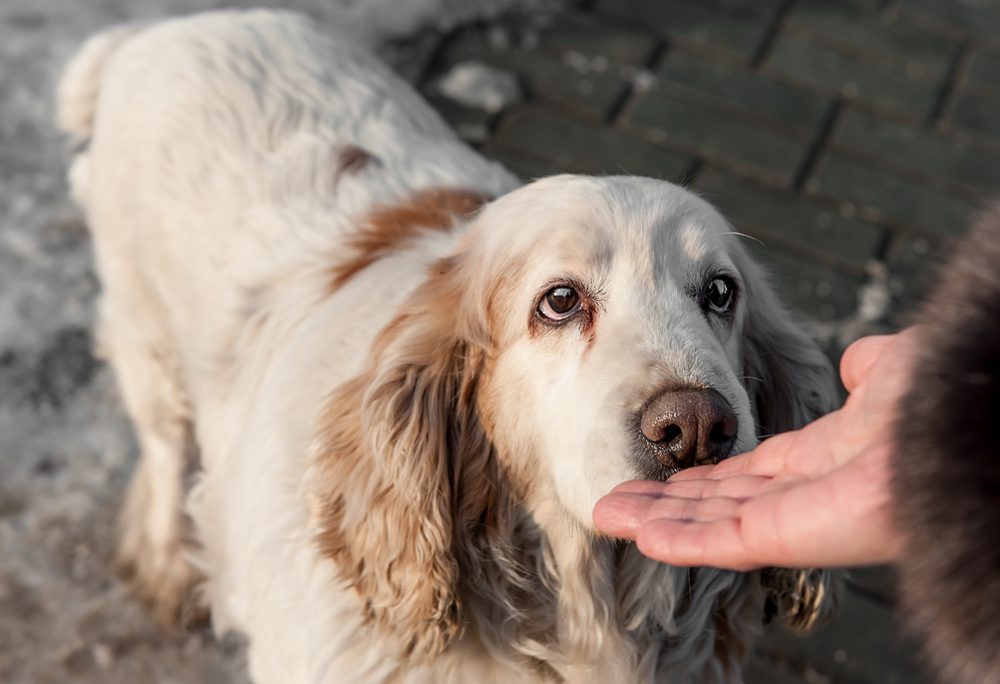
You should never rush to pet a dog. Even dog owners make the mistake of approaching unfamiliar dogs and petting them rig...
Read More
Puppy mill dogs are survivors who have endured extreme hardships in their lives. They have grown up in horrendous, unsan...
Read More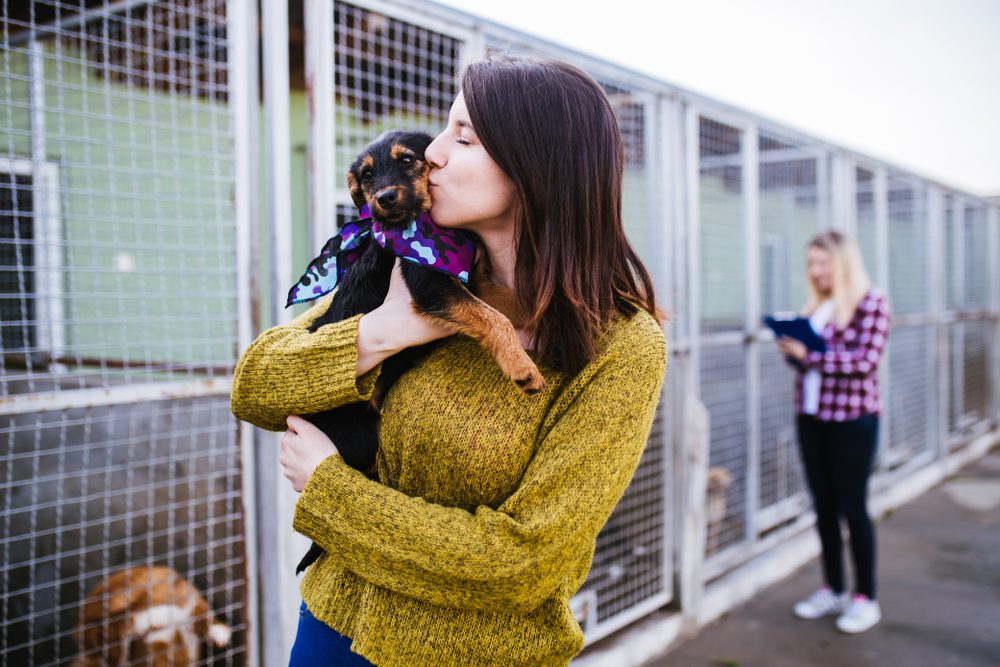
With their wagging tails and comforting presence, adopting a dog can add a unique touch to your life. It’s a heart...
Read More
Older dogs may have a few gray hairs around the edges, but that doesn’t mean they can’t make wonderful companions! T...
Read More