
















































































Introducing a new puppy to your current dog is often an exciting process, and many dogs will become fast friends and eas...
Read MoreAdopt Me

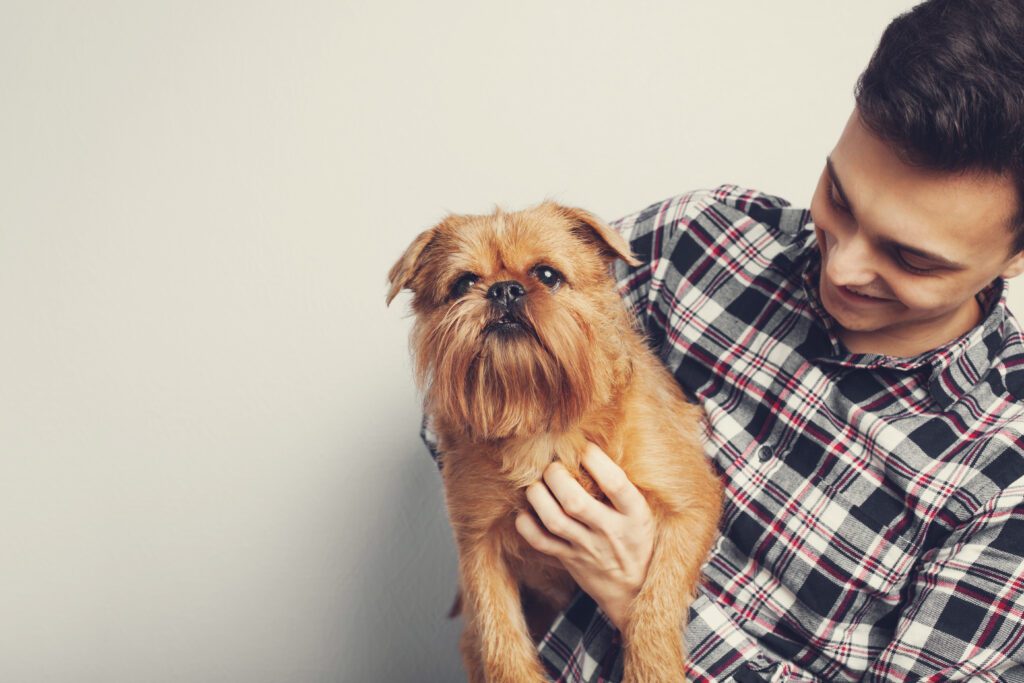
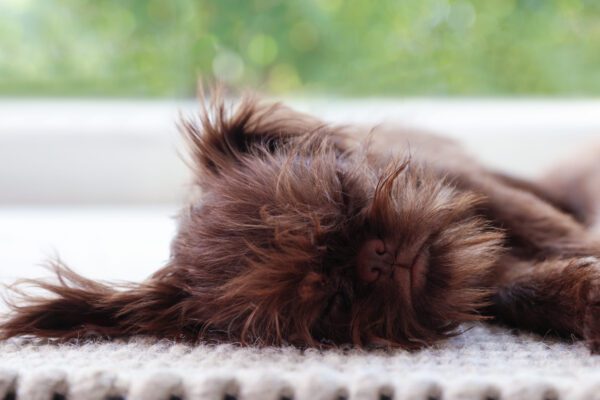
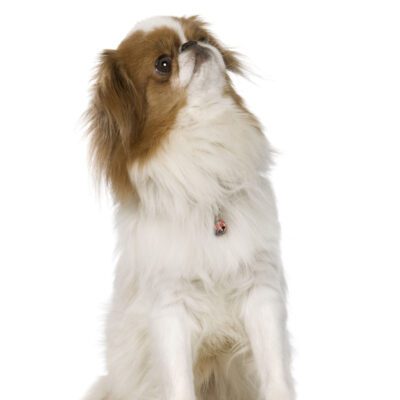
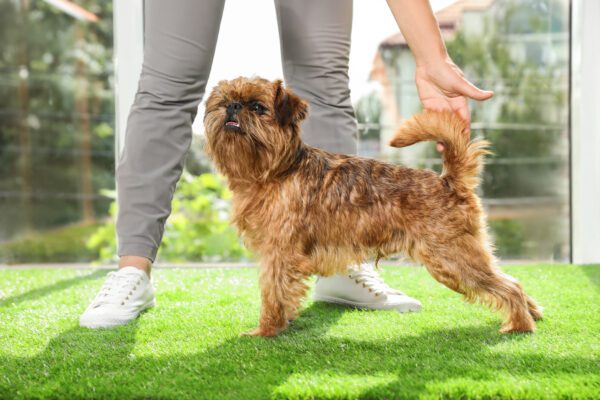
The Brussels Griffon is a small companion with an expressive face, bright eyes, and a lively spirit. This breed is affectionate, clever, and deeply people oriented. A Brussels Griffon enjoys curling up on the couch as much as playing short games and learning new tricks. The breed thrives when included in daily routines and prefers to stay close to the family.
Thoughtful research leads to a successful adoption. Adoption is preferable to buying because adoption gives a deserving dog a second chance and usually includes essential veterinary care. Adoption also helps you match with a dog whose temperament and needs are already understood, which improves long term compatibility and reduces surprises.
Delaware offers a good environment for this breed with a few important considerations. Summers are humid and can be hot, which means a Brussels Griffon needs shaded walks, plentiful water, and cool indoor spaces to prevent overheating. Winters can be chilly, so a warm coat and short outdoor breaks keep a small dog comfortable. Delaware’s flat geography suits gentle daily walks, and apartment living can work well when exercise and enrichment are consistent. Regular tick prevention is wise in wooded or coastal areas.
You can find adoptable Brussels Griffons through local animal shelters, regional rescues, and breed-specific rescue groups that serve Delaware. You can avoid searching each source separately by browsing listings on Dog Academy. Dog Academy gathers adoptable dogs in one place and provides educational guides and adoption checklists that help you prepare with confidence.
Start by reviewing listings and setting clear preferences for age, size, and distance. Read each bio carefully and look for details about temperament, energy level, compatibility with children or other pets, and any medical or grooming needs. A Brussels Griffon often needs regular brushing and occasional professional grooming. Common toy-breed health considerations include dental care and knee issues, so plan for routine wellness visits and proactive care.
The next step is the application. Shelters and rescues ask for information about your household, schedule, and experience. Many groups verify landlord permission, request personal references, and ask for veterinary records for current pets. Expect the timeline from application to approval to take 1 to 3 weeks, which varies with demand, staffing, and scheduling. A meet-and-greet usually follows approval and includes every member of your household. Many groups also conduct a home check, which can be in person or virtual, to confirm safety and readiness.
After approval, you sign an adoption contract, pay the fee, and arrange pickup. If the dog is not local, rescues sometimes arrange transport between locations. Transport is often arranged by rescues to move dogs between states using volunteer drivers or licensed carriers. Good transport coordination includes a confirmed schedule, a health certificate when required, and a safe handoff point. Clear communication ensures a smooth and low-stress arrival.
|
How Much Does It Cost to Adopt a Brussels Griffon in Delaware?In Delaware, the typical adoption fee for a Brussels Griffon ranges from $250 to $550. Puppies and high-demand young adults usually fall near $400 to $550. Mature adults and senior dogs often range from $250 to $450. Fees reflect the dog’s age, prior training, medical history, and local demand for small companion breeds. Adoption fees usually include spaying or neutering, vaccinations, microchipping, and veterinary exams. Fees can be higher when organizations provide dental cleanings, specialized diagnostics, or treatment for conditions that are common in small breeds. Well-mannered dogs with proven house manners or crate skills can also command higher fees because training reduces transition time for adopters. |
How Should I Train a Brussels Griffon?The Brussels Griffon is intelligent, sensitive, and eager to engage with people. Positive reinforcement works best. Use small treats, gentle praise, and a clear marker word to reward desired behavior. Keep sessions short and upbeat to match a small dog’s attention span. Early socialization builds confidence and reduces reactivity. Consistent house training with a schedule, frequent outdoor breaks, and thoughtful crate training helps prevent accidents and supports independence. Common challenges include alert barking, separation stress, and handling sensitivity during grooming. Harsh corrections can damage trust, so choose calm leadership and consistent routines. Provide daily mental enrichment with puzzle feeders, scent games, and short training games to channel energy. If you want step-by-step guidance, explore Dog Academy’s online training courses for support with puppy skills, house training, polite leash walking, barking reduction, and healthy alone-time habits. Self-paced lessons and expert instruction help you shape a confident and well-mannered companion. |

|
The ideal adopter enjoys close companionship, gentle training, and a consistent routine. A Brussels Griffon fits well in apartments and houses when daily exercise, mental enrichment, and indoor living are a priority. Families with older, dog-savvy children and people who work from home often find this affectionate breed to be an excellent match.
Preparation makes adoption successful. Take time to research, gather supplies, and plan your schedule for the first 2 to 4 weeks at home. Browse options through Dog Academy, ask thoughtful questions, and move at a pace that feels right for you and the dog. A careful process leads to a lasting match and a happy life together in Delaware.
Introducing a new puppy to your current dog is often an exciting process, and many dogs will become fast friends and eas...
Read More
Rescue dogs can make great companions and can transform your home into something better. These dogs make great pets and ...
Read More
You should never rush to pet a dog. Even dog owners make the mistake of approaching unfamiliar dogs and petting them rig...
Read More
Puppy mill dogs are survivors who have endured extreme hardships in their lives. They have grown up in horrendous, unsan...
Read More
With their wagging tails and comforting presence, adopting a dog can add a unique touch to your life. It’s a heart...
Read More
Older dogs may have a few gray hairs around the edges, but that doesn’t mean they can’t make wonderful companions! T...
Read More